


Engineering Guide to Aluminium Wire Mesh Filter Technology in Industrial Applications
In the landscape of industrial filtration, material selection is as critical as the micron rating itself. While stainless steel remains the industry standard for high-pressure and highly corrosive environments, the aluminium wire mesh filter has established a significant niche in applications where weight, thermal conductivity, and specific chemical compatibilities are paramount. This article examines the technical specifications, engineering considerations, and selection criteria for aluminium-based filtration components, specifically focusing on their implementation in Wire Mesh Filter Cylinders & Tubes.
1. Material Science: The Properties of Aluminium in Filtration
Aluminium (Al) is characterized by its low density—approximately one-third that of stainless steel—and its high strength-to-weight ratio. In filtration engineering, these properties translate to lower structural loads on housing assemblies and easier handling during maintenance cycles.
Oxide Layer and Corrosion Resistance
Unlike carbon steel, aluminium naturally forms a thin, tenacious oxide layer (Al2O3) when exposed to air. This layer provides excellent resistance to atmospheric corrosion and many organic acids. However, from an engineering perspective, it is vital to note that this protective layer is stable only within a pH range of approximately 4.5 to 8.5. Exposure to highly acidic or alkaline environments will strip the oxide layer, leading to rapid degradation of the mesh.
Thermal and Electrical Conductivity
Aluminium’s thermal conductivity is significantly higher than that of stainless steel. This makes an aluminium wire mesh filter an ideal choice for heat exchange applications or for filtering fluids where temperature stabilization is required. Furthermore, its electrical conductivity allows it to serve a dual purpose as an EMI/RFI shielding component in electronic enclosures or as a flame arrestor in gas-handling systems.
2. Structural Configurations: Wire Mesh Filter Cylinders & Tubes
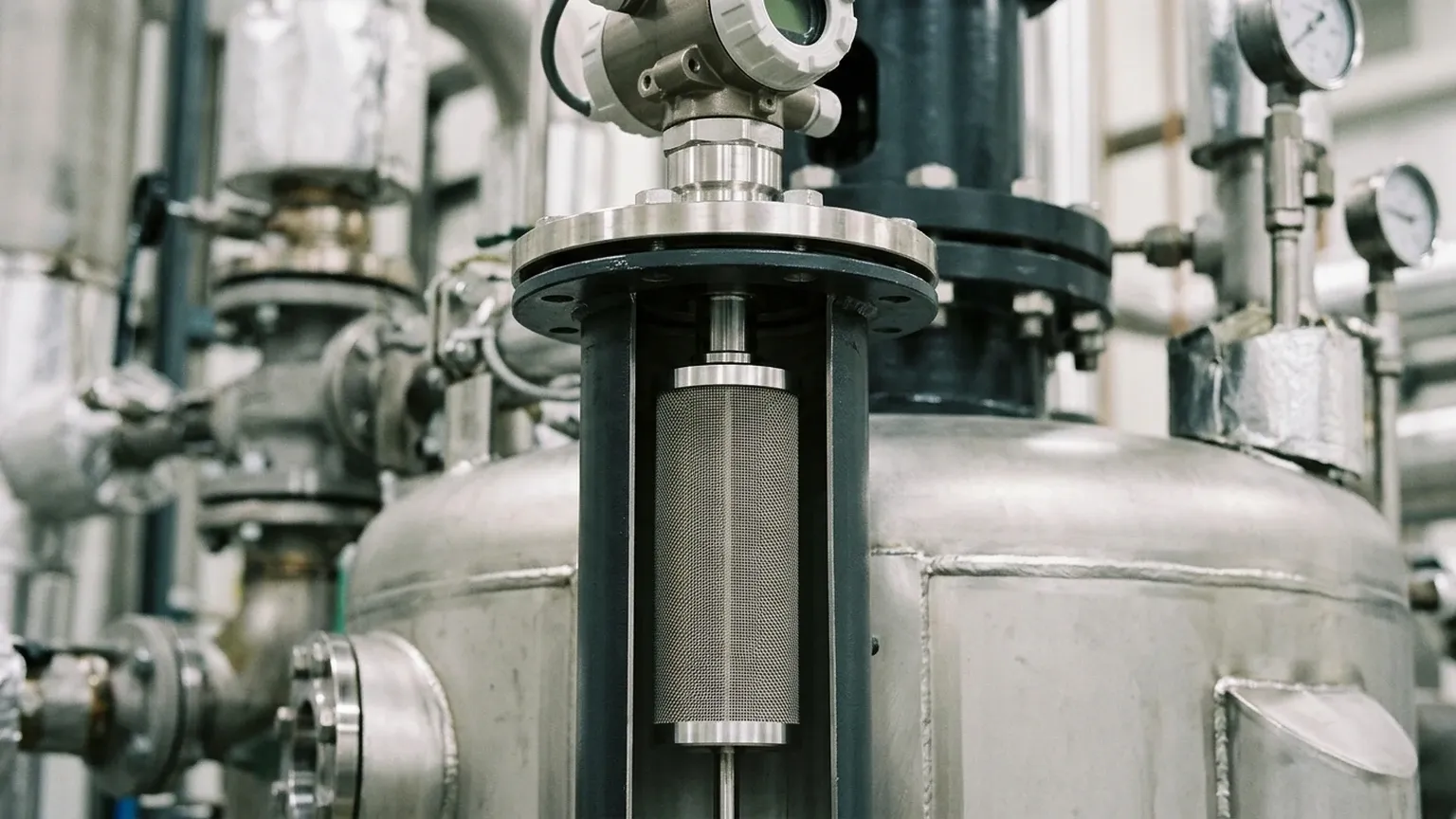
The geometry of a filter element dictates its flow dynamics and structural integrity. Aluminium mesh is frequently fabricated into Wire Mesh Filter Cylinders & Tubes to provide a balance between effective filtration area (EFA) and mechanical robustness.
Single-Layer vs. Multi-Layer Construction
* Single-Layer Cylinders: Primarily used for coarse filtration or as a support structure for finer media. These are often used in grease filtration or as debris guards in air intake systems.
* Multi-Layer Sintered or Bonded Tubes: To achieve finer filtration without sacrificing strength, multiple layers of aluminium mesh are combined. A typical stack might include a fine filtration layer protected by coarser drainage and support layers. This prevents the fine mesh from deforming under high differential pressure (ΔP).
Pleated vs. Cylindrical Designs
While a standard cylindrical tube offers a straightforward flow path, pleating the aluminium mesh significantly increases the surface area within the same footprint. For an aluminium wire mesh filter, pleating requires careful control of the material's temper to prevent cracking at the fold radius. Pleated designs are preferred in high-flow gas applications where minimizing pressure drop is a priority.
3. Technical Selection Criteria: Micron Rating and Mesh Count
Specifying an aluminium wire mesh filter requires an understanding of the relationship between mesh count, wire diameter, and aperture size.
Mesh Count and Aperture
The mesh count refers to the number of wires per linear inch. As the mesh count increases, the aperture (the clear opening between wires) decreases. For industrial applications, engineers must calculate the "Open Area Percentage" to predict flow resistance.
* Plain Weave: The most common weave where each warp wire crosses alternately over and under each shute wire. It provides high flow rates and is easily cleaned.
* Twill Weave: Used for heavier wire diameters in relation to the mesh count, providing greater strength for high-pressure tubes.
* Dutch Weave: Offers a much denser structure, allowing for finer filtration ratings (down to 10-20 microns) while maintaining high mechanical strength.
Wire Diameter Considerations
In aluminium filtration, wire diameter is a trade-off between durability and flow. Thicker wires increase the structural integrity of Wire Mesh Filter Cylinders & Tubes but reduce the total open area. Engineers must evaluate the expected particulate load; a higher particulate load typically requires a more robust wire to withstand the increased pressure as the filter cakes.
4. Engineering Challenges: Compatibility and Risks
While aluminium offers distinct advantages, B2B buyers and engineers must account for specific risks during the design phase.
Galvanic Corrosion
One of the most common failures in industrial systems occurs when an aluminium wire mesh filter is placed in direct contact with a more noble metal (like copper or stainless steel) in the presence of an electrolyte (like water). This creates a galvanic cell, leading to the rapid sacrifice of the aluminium. To prevent this, engineers should specify non-conductive gaskets or ensure the entire housing assembly is compatible with aluminium alloys.
Mechanical Limits
Aluminium has a lower fatigue limit than steel. In applications involving high-frequency pressure pulsations or mechanical vibrations, the mesh may develop stress cracks over time. It is essential to ensure that the filter support cores (internal or external) are sufficient to prevent the mesh from flexing beyond its elastic limit.
5. Industrial Applications for Aluminium Mesh Filters
HVAC and Air Handling
Due to its lightweight nature and resistance to moisture, aluminium mesh is a staple in HVAC systems. It is particularly effective as a pre-filter for large particulates and as a permanent, washable grease filter in commercial kitchen ventilation.
Aerospace and Defense
In aerospace, every gram of weight saved translates to fuel efficiency. Aluminium Wire Mesh Filter Cylinders & Tubes are used in hydraulic systems, fuel lines, and environmental control systems where weight reduction is a primary KPI.
Engine Intakes and Crankcase Breathers
Aluminium filters are used in internal combustion engines to capture oil mist and prevent debris from entering the intake. Their ability to dissipate heat quickly helps in cooling the bypassed gases before they are recirculated.
EMI/RFI Shielding
In sensitive industrial instrumentation, aluminium mesh serves as a vent filter that allows airflow for cooling while blocking electromagnetic interference. The conductivity of the aluminium ensures that the enclosure remains electronically sealed.
6. Maintenance, Cleaning, and Total Cost of Ownership (TCO)
One of the primary drivers for selecting a metal filter over a disposable synthetic filter is cleanability. An aluminium wire mesh filter can be cleaned and reused multiple times, provided the correct protocols are followed.
Cleaning Protocols
* Ultrasonic Cleaning: Highly effective for removing fine particulates lodged within the mesh intersections.
* Backwashing: Suitable for automated systems where the flow is reversed to dislodge the filter cake.
* Chemical Cleaning Warning: It is critical to avoid caustic soda (sodium hydroxide) or strong acids during cleaning. These chemicals will dissolve the aluminium. Neutral pH detergents or specialized solvent cleaners are required.
TCO Analysis
While the initial capital expenditure (CAPEX) for a custom aluminium filter is higher than a disposable cartridge, the TCO is often lower due to the elimination of recurring replacement costs and the reduction in waste disposal fees. For international buyers, the durability of metal mesh also reduces the risk of supply chain disruptions associated with frequent consumable purchases.
7. Procurement Checklist for International Buyers
When sourcing Wire Mesh Filter Cylinders & Tubes from a manufacturer like Kaifil, engineers should provide the following data to ensure the component meets application requirements:
1. Fluid/Gas Characteristics: Temperature, viscosity, and pH level.
2. Filtration Target: Desired micron rating (nominal vs. absolute) and the nature of the contaminants (slimy, abrasive, or crystalline).
3. Flow Parameters: Maximum flow rate and allowable clean pressure drop (initial ΔP).
4. Mechanical Constraints: Dimensions (OD, ID, Length), end cap configurations (threaded, flanged, or open), and the need for internal support cores.
5. Environmental Factors: Potential for galvanic contact and exposure to cleaning chemicals.
6. Certification Requirements: Compliance with industry-specific standards such as FDA (for food contact) or aerospace-grade material certifications.
Conclusion
The aluminium wire mesh filter is a sophisticated engineering solution that bridges the gap between lightweight performance and durable filtration. By understanding the material's unique properties—such as its thermal conductivity and specific corrosion resistance—and combining them with precision fabrication into Wire Mesh Filter Cylinders & Tubes, industrial operators can achieve efficient particulate separation in demanding environments. Proper selection, guided by technical data and application-specific constraints, ensures that these components provide long-term reliability and a high return on investment in any industrial filtration circuit.
