


Ratchet Wire Strainers
In the landscape of industrial filtration and structural support, the integrity of a system often depends on the precise tensioning of its components. While filtration media such as wire mesh and perforated metals are the primary actors in separation processes, the mechanical hardware that secures and stabilizes these elements is equally critical. Among these specialized components, ratchet wire strainers serve a vital role in maintaining the structural tension required for high-performance industrial applications.
For engineers and procurement professionals managing complex Strainers & Baskets projects, understanding the mechanical nuances of ratchet wire strainers is essential. These devices are not merely fasteners; they are precision-engineered tools designed to apply and maintain specific tensile loads across wire-based assemblies, ensuring that filtration surfaces remain taut and effective under the stresses of industrial operation.
The Engineering Role of Tension in Industrial Filtration
In many industrial filtration environments, particularly those involving large-scale separators, custom baskets, or perimeter filtration screens, the wire mesh must be kept under constant tension. If the mesh or support wires become slack, several technical failures can occur:
1. Vibration Fatigue: Loose wires are susceptible to harmonic vibrations caused by fluid flow or mechanical movement. Over time, this leads to work hardening and eventual fracture of the wire strands.
2. Bypass and Inefficiency: In basket strainers, a loss of tension can result in the deformation of the filtration surface, creating gaps or "blind spots" where the process fluid is not effectively filtered.
3. Mechanical Interference: Slack wires can sag into moving parts of a machine or interfere with the flow path, leading to catastrophic equipment failure.
Ratchet wire strainers provide the mechanism to counteract these issues. By allowing for incremental adjustments to wire tension, they ensure that the internal support structures of industrial filtration systems remain rigid and reliable throughout their service life.
Technical Anatomy of Ratchet Wire Strainers
A ratchet wire strainer is a mechanical device that utilizes a pawl and gear (ratchet) system to wind wire onto a central spool or spindle. This design allows for one-way tensioning, where the wire can be tightened easily but cannot unwind unless the locking mechanism is manually released.
The Spindle and Gear
The core of the strainer is the spindle, which usually features a hole or slot through which the wire is threaded. Attached to the spindle is a cogged gear. The number of teeth on this gear determines the precision of the tensioning; more teeth allow for finer increments of adjustment, which is often necessary when working with delicate stainless steel meshes or high-precision industrial wires.
The Locking Pawl
The pawl is a spring-loaded or gravity-fed lever that engages with the teeth of the gear. As the spindle is turned (typically using a wrench or a dedicated handle), the pawl slides over the teeth and drops into the notches, preventing the spindle from rotating backward. In high-vibration industrial environments, the reliability of this locking mechanism is paramount to prevent "tension creep."
The Frame
The frame of the strainer must be robust enough to withstand the full tensile load applied to the wire. In B2B industrial contexts, these frames are typically manufactured from heavy-duty metals to prevent bending or warping under load. For applications involving chemical processing or marine environments, the frame material is as important as the internal mechanism.
Material Engineering: The Case for Stainless Steel
When integrating ratchet wire strainers into industrial filtration systems, material selection is the most significant factor in determining the total cost of ownership and system longevity. As a specialist in stainless steel filtration, Kaifil emphasizes the use of high-grade alloys to withstand the rigors of demanding environments.
Grade 304 Stainless Steel
Grade 304 is the standard for many industrial applications. It offers excellent strength and good corrosion resistance for general-purpose use. In environments where the strainer is exposed to moisture but not highly corrosive chemicals, 304 stainless steel provides a cost-effective solution that maintains its mechanical integrity over long periods.
Grade 316 Stainless Steel
For more aggressive environments, such as chemical processing plants, food and beverage production (where acidic cleaning agents are used), or offshore applications, Grade 316 stainless steel is required. The addition of molybdenum in 316 stainless steel significantly enhances resistance to pitting and crevice corrosion, particularly in chloride-rich environments. When selecting components for high-performance Strainers & Baskets, ensuring that the tensioning hardware matches the corrosion resistance of the filter media is a critical engineering requirement.
Galvanized Steel vs. Stainless Steel
While galvanized steel is common in agricultural or light industrial fencing, it is often insufficient for B2B filtration applications. The zinc coating on galvanized steel can flake off over time, potentially contaminating the process fluid. Furthermore, once the galvanized layer is breached, the underlying carbon steel corrodes rapidly, leading to tension loss and system failure. Stainless steel remains the preferred choice for industrial reliability.
Engineering Evaluation Criteria for Selection
When specifying ratchet wire strainers for an industrial project, engineers must evaluate several technical parameters to ensure the component is fit for purpose.
1. Maximum Tensile Load
Every strainer has a rated breaking strain and a recommended working load. Engineers must calculate the total tension required to keep the wire or mesh taut under operational conditions, including the added weight of filtered solids and the pressure of fluid flow. Selecting a strainer with an insufficient load rating can lead to mechanical deformation of the frame or spindle.
2. Wire Diameter Compatibility
The spindle hole or slot must be sized appropriately for the wire being used. If the hole is too large, the wire may kink or slip; if it is too small, the wire cannot be threaded. Most industrial ratchet strainers are designed to accommodate a range of wire gauges, typically from 2mm to 5mm, though custom solutions may be required for specialized filtration supports.
3. Corrosion Environment
As discussed, the chemical composition of the environment dictates the material grade. However, engineers should also consider the potential for galvanic corrosion. If a stainless steel wire is used with a galvanized strainer, the dissimilar metals can create an electrolytic reaction that accelerates corrosion. It is best practice to match the material of the strainer to the material of the wire and the surrounding filter housing.
4. Adjustability and Maintenance Access
Consider how often the tension will need to be adjusted. If the system is subject to thermal expansion and contraction, the wire tension may change seasonally or during startup and shutdown cycles. The ratchet mechanism should be easily accessible for maintenance personnel to perform adjustments without requiring specialized, proprietary tools that might not be available on-site.
Integration into Custom Filtration Solutions
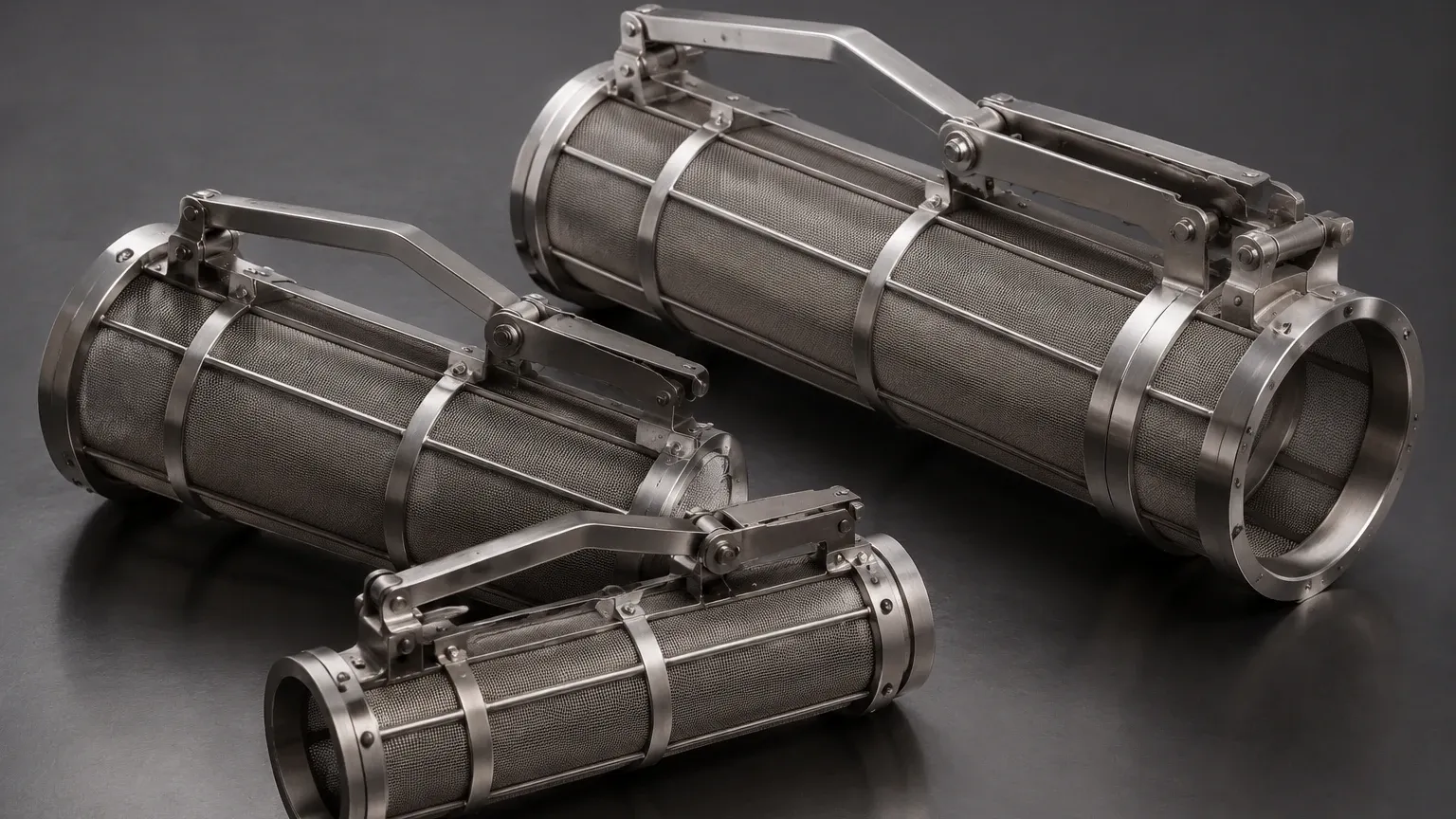
Ratchet wire strainers are frequently integrated into larger, custom-engineered filtration assemblies. For example, in large cylindrical basket strainers used in water intake systems, stainless steel wires may be wrapped around the exterior of the mesh to provide hoop strength. Ratchet strainers allow these support wires to be tightened to a precise torque, ensuring the mesh does not bulge or burst under high differential pressure.
In OEM applications, these components are often modified to fit specific space constraints. A manufacturer like Kaifil can provide customized tensioning solutions where the standard off-the-shelf ratchet might be too bulky or lack the necessary mounting points for a specific filter housing. This level of customization ensures that the filtration system is not just functional but optimized for the specific footprint and operational demands of the end-user's facility.
Common Risks and Mitigation Strategies
Even the best-engineered components can fail if not applied correctly. Engineers should be aware of the following risks associated with ratchet wire strainers:
* Over-Tensioning: Applying too much torque can exceed the yield strength of the wire or the strainer frame. This results in permanent deformation. Using a torque-limiting wrench during installation can mitigate this risk.
* Mechanical Fouling: In filtration environments where the process fluid contains high levels of particulates or sticky substances, the ratchet mechanism can become fouled. If the pawl cannot move freely, it may fail to lock. In such cases, protective covers or strainers with enclosed mechanisms should be considered.
* Fatigue Loading: If the tension is not checked periodically, the wire may undergo stress relaxation. Regular maintenance cycles should include a tension check to ensure the system remains within its design parameters.
Total Cost Consideration and Procurement
When purchasing hardware for Strainers & Baskets, the initial purchase price is only one part of the equation. The total cost of ownership includes installation time, maintenance frequency, and the cost of potential downtime if a component fails.
Investing in high-quality stainless steel ratchet wire strainers reduces the risk of premature failure and contamination. For procurement teams, sourcing these components from a manufacturer that understands the broader filtration context—such as Kaifil—ensures that the hardware is compatible with the technical requirements of the entire filtration assembly.
Conclusion
Ratchet wire strainers are indispensable components in the design and maintenance of robust industrial filtration systems. By providing a reliable method for tensioning support wires and mesh structures, they ensure the stability and efficiency of complex separation equipment. For engineers, the key to success lies in selecting the correct material grade, understanding the mechanical load requirements, and ensuring that the tensioning system is integrated seamlessly into the overall design of the filtration solution. Through careful selection and professional manufacturing, these small components contribute significantly to the long-term performance and reliability of industrial infrastructure.
