


How to Clean a Wire Mesh Filter: An Engineering Guide to Industrial Maintenance
In industrial filtration, the longevity and efficiency of filtration systems depend heavily on the maintenance of the filter media. Unlike disposable polymer cartridges, stainless steel wire mesh filters are valued for their durability and reusability. However, the process of restoring these components to their original performance specifications requires a technical understanding of contaminant types, mesh structures, and cleaning chemistry. This guide explores the engineering principles behind how to clean a wire mesh filter, providing actionable insights for maintenance teams and procurement engineers managing high-performance filtration systems.
The Economics of Cleanable Filtration
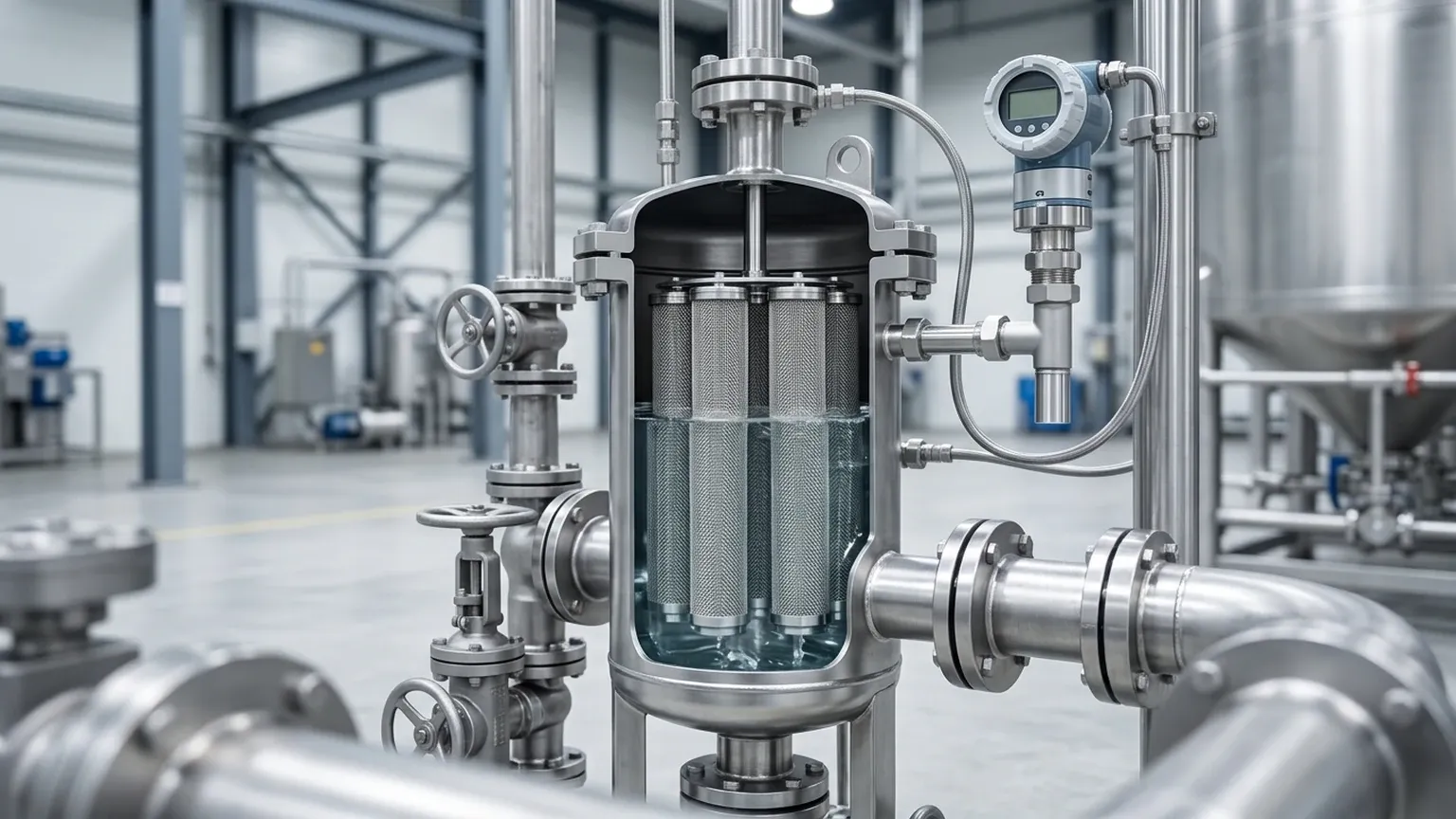
For industries such as chemical processing, pharmaceuticals, and hydraulic power, the choice of filter media is a balance between initial capital expenditure (CAPEX) and ongoing operational expenditure (OPEX). Wire Mesh Filter Cylinders & Tubes represent a significant initial investment compared to single-use alternatives. This investment is justified by the ability to clean and reuse the media multiple times without compromising filtration accuracy or structural integrity.
Effective cleaning protocols extend the service life of the filter, reduce waste disposal costs, and ensure consistent process flow. When a filter becomes blinded—a condition where particles are lodged within the mesh openings—the differential pressure across the system increases, leading to higher energy consumption and potential downstream contamination. Understanding the correct cleaning methodology is essential to prevent permanent damage to the precision-woven mesh.
Monitoring Filter Performance: When to Clean
The decision to initiate a cleaning cycle should be based on empirical data rather than arbitrary schedules. In industrial B2B environments, the primary indicator for cleaning is the differential pressure (ΔP).
1. Baseline Pressure: Every new or cleaned filter has a clean pressure drop based on the fluid viscosity, flow rate, and mesh micron rating.
2. Terminal Pressure Drop: Engineers typically define a "terminal ΔP"—the point at which the filter is considered fouled. Operating beyond this point risks media migration, where the pressure forces particles through the mesh, or structural collapse of the filter cylinder.
3. Flow Rate Decay: In gravity-fed or constant-pressure systems, a noticeable drop in flow rate indicates that the effective filtration area is reduced by cake buildup or internal pore plugging.
Technical Methods for Cleaning Wire Mesh Filters
There is no single "best" way to clean a filter; the method must be matched to the contaminant and the filter construction. Below are the standard industrial practices for restoring stainless steel mesh.
1. Ultrasonic Cleaning
Ultrasonic cleaning is widely regarded as the most effective method for removing fine particles from complex mesh structures, such as multi-layered sintered mesh or pleated cylinders.
* The Mechanism: High-frequency sound waves create microscopic vacuum bubbles in a cleaning fluid (cavitation). When these bubbles collapse near the mesh surface, they release intense energy that dislodges particles from deep within the weave.
* Engineering Consideration: The frequency must be carefully selected. Lower frequencies (20-25 kHz) provide aggressive cleaning for heavy contaminants, while higher frequencies (40-80 kHz) are safer for delicate, high-micron-rated meshes to avoid fatigue cracking.
2. Backwashing and Backpulsing
This is an in-situ cleaning method often used in automated systems. By reversing the flow of the process fluid (or using a dedicated cleaning fluid), particles are pushed off the surface of the mesh.
* Backpulsing: Involves a sudden, high-pressure burst of fluid or compressed air. This shockwave is particularly effective at breaking up filter cakes on the exterior of Wire Mesh Filter Cylinders & Tubes.
* Efficiency Limits: While excellent for surface-loading contaminants, backwashing may not effectively remove particles that are mechanically wedged within the mesh pores (depth-loading).
3. Chemical Cleaning and Solvent Soaking
When contaminants are chemically bonded to the mesh—such as polymers, resins, or mineral scales—mechanical cleaning may be insufficient.
* Alkaline Cleaning: Used for organic materials, fats, and oils.
* Acid Pickling/Descaling: Used for mineral deposits or oxidation. It is critical to ensure the acid concentration and temperature do not cause intergranular corrosion in 304 or 316L stainless steel.
* Solvent Stripping: Required for paints, inks, or specialized chemical residues.
4. Thermal Cleaning (Pyrolysis)
In applications involving heavy polymers or carbonized residues (common in plastic extrusion or petrochemicals), thermal cleaning is used. The filter is placed in a vacuum furnace or a fluidized bed at controlled temperatures to burn off the organic matter. After the thermal cycle, the remaining ash is typically removed via ultrasonic cleaning.
Step-by-Step Guide: How to Clean a Wire Mesh Filter Manually
For maintenance technicians performing manual cleaning of filter components, following a standardized SOP (Standard Operating Procedure) is vital to ensure consistency and safety.
Step 1: Pre-Cleaning Assessment
Before cleaning, inspect the filter for visible signs of structural failure, such as broken wires, seam separation, or bypass gaps. If the structural integrity is compromised, cleaning will not restore the filter’s function.
Step 2: Initial Rinse
Remove loose surface debris using a low-pressure water hose or air line. Always spray from the "clean side" to the "dirty side" (reverse flow) to avoid driving particles deeper into the mesh.
Step 3: Chemical Pre-Soak
Submerge the filter in a compatible cleaning solution. For stainless steel, a non-chlorinated detergent or a mild caustic solution is often used. Ensure the soak time is sufficient to soften the contaminants but not so long that it affects the passivation layer of the steel.
Step 4: Ultrasonic Bath
Place the filter in an ultrasonic tank. Ensure the filter is fully submerged and that no air pockets are trapped inside the cylinder or tube. Rotate the component during the cycle to ensure all surfaces are exposed to the cavitation field.
Step 5: Final Rinse and Neutralization
If chemicals were used, the filter must be thoroughly rinsed with deionized or distilled water to prevent spotting or chemical carryover into the process. If an acid was used, a neutralization step is mandatory.
Step 6: Drying and Inspection
Dry the filter using filtered compressed air or a drying oven. Once dry, perform a visual inspection and, if required, a bubble point test to verify that the micron rating remains within specification and that no holes have developed.
Engineering Constraints and Material Selection
When determining how to clean a wire mesh filter, the material of construction is the most significant constraint.
* Alloy Compatibility: 316L stainless steel offers superior resistance to corrosion during chemical cleaning compared to 304. For highly corrosive environments involving chlorides, specialized alloys like Hastelloy may be required.
* Mesh Type: Plain square weave mesh is easier to clean than Dutch weave or complex twilled weaves, which have "blind" spots where particles can hide. Sintered mesh, while more expensive, provides a rigid structure that can withstand higher pressures during backpulsing without deforming.
* Seal Integrity: Many filter cylinders utilize gaskets or O-rings. These must be removed before chemical or thermal cleaning, as the cleaning agents or high temperatures will degrade elastomers like Viton or EPDM.
Purchasing Considerations for International Buyers
When sourcing Wire Mesh Filter Cylinders & Tubes, international procurement teams should confirm specific design features that impact cleanability. A filter that is difficult to clean will have a higher Total Cost of Ownership (TCO) due to frequent replacements.
1. Welding Quality: Ensure that longitudinal and end-cap welds are smooth and free of crevices. Rough welds can trap contaminants that are nearly impossible to remove, leading to bacterial growth in food or pharma applications.
2. Support Structures: For high-pressure applications, the mesh is often supported by a perforated metal core. Ensure the interface between the mesh and the support is designed to allow cleaning fluids to circulate freely.
3. Customization: Work with a manufacturer that can provide customized designs, such as removable end caps or specialized pleat geometries, to facilitate easier access for cleaning tools.
Common Risks in the Cleaning Process
Improper cleaning is one of the leading causes of premature filter failure. Engineers should be aware of the following risks:
* Mechanical Damage: Using wire brushes or high-pressure power washers at close range can displace the wires in the mesh, altering the micron rating (pore size).
* Cross-Contamination: If multiple filters from different processes are cleaned in the same ultrasonic bath, there is a risk of cross-contaminating sensitive batches.
* Incomplete Drying: Moisture trapped in the mesh can lead to flash rusting (if carbon steel contaminants are present) or microbial growth if the filter is stored before reuse.
Conclusion
Mastering how to clean a wire mesh filter is a critical competency for any facility utilizing stainless steel filtration. By moving away from "reactive" cleaning and adopting a data-driven approach based on differential pressure and specialized cleaning technologies like ultrasonics, industrial operators can significantly extend the life of their equipment.
Selecting the right Wire Mesh Filter Cylinders & Tubes is the first step in this process. By choosing high-quality, precision-engineered components designed for durability, companies ensure that their filtration systems remain a reliable and cost-effective part of their industrial infrastructure. Proper maintenance not only protects the product quality but also safeguards the mechanical integrity of the entire production line.
