


Strainer Tube Well
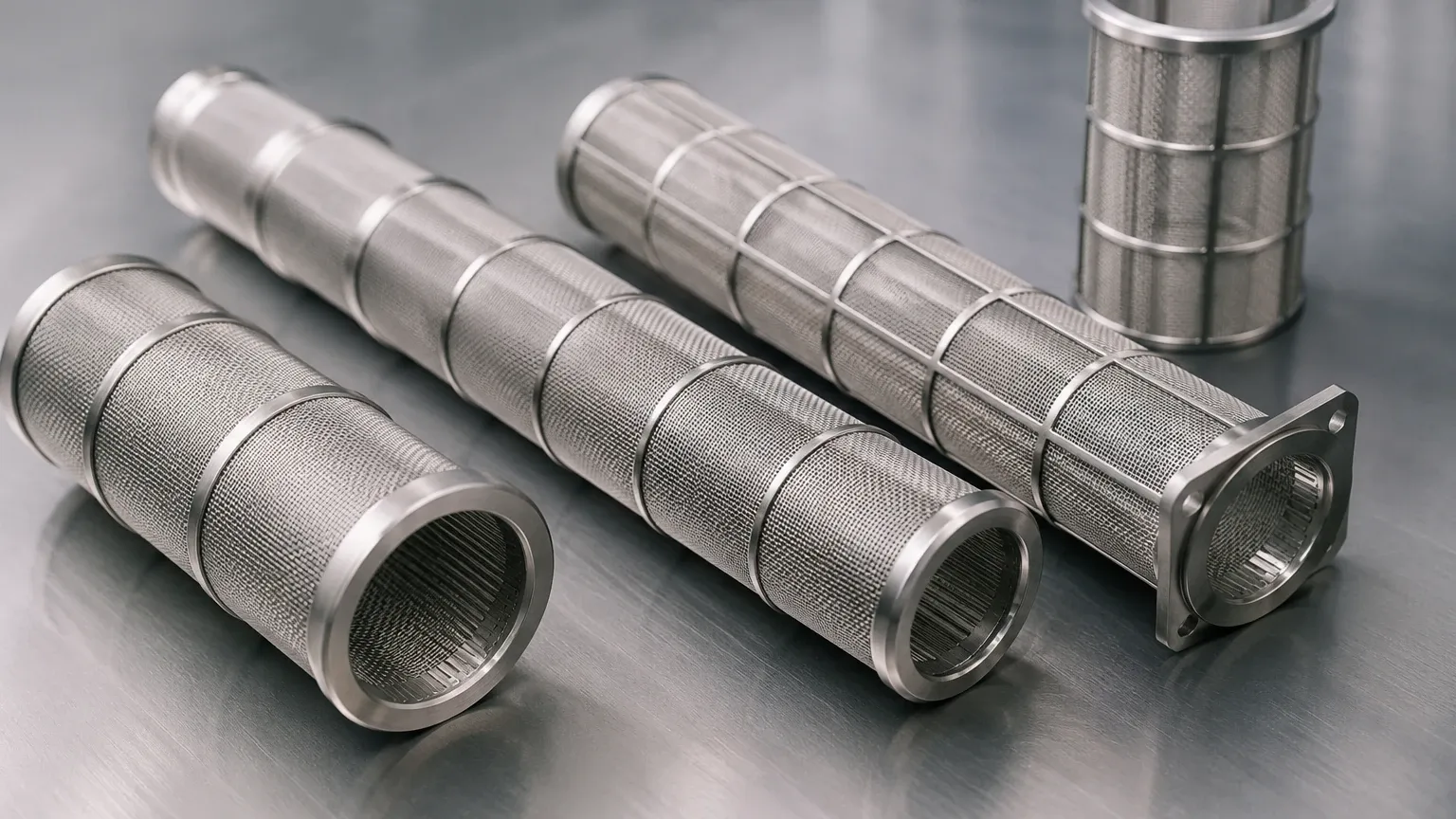
In industrial water management and groundwater extraction, the efficiency of a system often hinges on the performance of its intake components. A strainer tube well, frequently referred to as a well screen, serves as the primary interface between the aquifer or water source and the pumping system. Its fundamental role is to permit the entry of water while excluding sand, silt, and other geological debris that could damage downstream equipment or compromise the purity of the process water.
For engineers and procurement professionals, selecting the correct filtration components involves a deep understanding of hydraulic principles, material science, and the specific geological conditions of the site. High-performance Strainers & Baskets are engineered to withstand significant mechanical stresses while maintaining high flow rates and precise filtration accuracy. This guide explores the technical nuances of strainer tube well design, material selection, and the engineering considerations necessary for long-term operational success.
Understanding the Function of a Strainer Tube Well
The primary objective of a strainer tube well is to provide a stable, low-velocity intake for fluids. In industrial applications, this is not limited to simple water extraction; it extends to chemical processing, cooling systems, and large-scale irrigation. The strainer acts as a structural filter that maintains the integrity of the borehole while filtering out particulates based on their size.
Technically, the strainer must balance two opposing requirements: structural strength and open area. A high percentage of open area is desirable because it reduces the velocity of the water entering the well. Lower intake velocities minimize the movement of fine sediments toward the screen, which prevents clogging and reduces the risk of "sand pumping." Simultaneously, the tube must be strong enough to resist the lateral pressures exerted by the surrounding soil and the vertical loads of the pump assembly and piping string.
Technical Specifications and Engineering Principles
When designing or specifying a strainer tube well, several engineering parameters must be evaluated to ensure the component meets the application's demands.
Slot Size and Particle Retention
To determine the appropriate slot size, engineers typically perform a sieve analysis of the aquifer material. The slot width of the strainer should be sized to retain a specific percentage of the surrounding formation. If the slots are too large, the well will produce sand, leading to pump wear and potential collapse of the surrounding strata. If the slots are too small, the pressure drop (drawdown) increases, which forces the pump to work harder, increasing energy costs and the risk of encrustation.
Effective Open Area
The open area is the total percentage of the strainer surface that allows fluid passage. Modern industrial strainers, particularly those utilizing wedge wire or precision wire mesh, offer significantly higher open areas compared to traditional perforated pipes. A higher open area results in a lower entrance velocity, which is critical for maintaining laminar flow. Turbulent flow at the intake can cause the release of dissolved gases and the precipitation of minerals, leading to rapid scaling and clogging.
Hydraulic Efficiency and Drawdown
Drawdown refers to the difference between the static water level and the pumping water level. An inefficient strainer tube well creates excessive resistance, leading to a deeper drawdown. This not only increases the total dynamic head (TDH) the pump must overcome but also accelerates the wear on the strainer itself due to the high-velocity movement of abrasive particles.
Material Selection: The Role of Stainless Steel in Longevity
The environment in which a strainer tube well operates is often chemically aggressive. Groundwater can contain high concentrations of dissolved minerals, gases like carbon dioxide or hydrogen sulfide, and varying pH levels. In industrial settings, the fluid being filtered may be even more corrosive.
Stainless Steel 304 and 316L
Stainless steel is the industry standard for high-performance well strainers due to its superior corrosion resistance and mechanical strength.
- Grade 304: Suitable for most freshwater applications where corrosion levels are moderate. It provides excellent structural integrity and is cost-effective for general industrial use.
- Grade 316L: Specifically chosen for environments with high chloride content or acidic conditions. The addition of molybdenum enhances its resistance to pitting and crevice corrosion, making it ideal for chemical processing and seawater applications.
Comparison with Alternative Materials
While carbon steel or PVC may be used in low-budget or temporary installations, they often fail to meet the longevity requirements of industrial infrastructure. Carbon steel is prone to oxidation, which leads to the narrowing of slots and eventual structural failure. PVC, while corrosion-resistant, lacks the tensile strength and collapse resistance required for deep wells or high-pressure industrial intakes. Stainless steel components from specialized manufacturers like Kaifil ensure that the filtration system remains operational for decades rather than years.
Critical Evaluation Criteria for Industrial Procurement
When sourcing a strainer tube well, purchasing teams must look beyond the initial unit price and consider the Total Cost of Ownership (TCO). A high-quality strainer reduces energy consumption, minimizes maintenance downtime, and extends the life of expensive pumping equipment.
1. Structural Integrity and Collapse Strength
The strainer must be rated for the specific depth and hydrostatic pressure of the installation. Engineers should confirm the collapse strength of the tube, especially in deep-well applications where the weight of the overburden and the pressure of the fluid column are substantial.
2. Customization of Slot Configurations
Standardized off-the-shelf solutions rarely provide the optimal performance needed for specialized industrial processes. Customization allows for the adjustment of slot widths across different sections of the tube to account for varying geological layers. This ensures uniform flow distribution across the entire length of the strainer.
3. Connection Methods
The method of connecting the strainer to the rest of the well casing is a vital consideration. Common options include threaded ends, weld rings, or flange connections. The integrity of these joints is paramount, as a failure at the connection point can lead to catastrophic well failure and the loss of the pumping system.
Operational Risks and Preventive Maintenance
Even the most well-engineered strainer tube well is subject to environmental and operational risks. Understanding these risks allows for better system design and the implementation of effective maintenance schedules.
Clogging and Encrustation
Encrustation occurs when minerals (typically calcium carbonate or iron) precipitate out of the water and deposit on the strainer surface. This is often triggered by the pressure drop and velocity changes at the intake. Regular monitoring of the drawdown level can indicate when a strainer is beginning to clog. Chemical rehabilitation or high-pressure jetting may be required to restore flow.
Biofouling
In many water-bearing formations, iron-oxidizing bacteria can thrive. These bacteria produce a gelatinous slime that can rapidly plug the openings of a strainer. Selecting materials with smooth surface finishes, such as polished stainless steel, can help reduce the rate at which biological films adhere to the filter surface.
Mechanical Wear and Erosion
In high-velocity systems, the constant movement of fine abrasive particles can eventually erode the edges of the strainer slots. This erosion widens the slots, allowing larger particles to pass through and damage the pump impellers. Using hardened stainless steel alloys and ensuring low intake velocities are the primary defenses against this type of wear.
Customization and OEM Capabilities for Specialized Filtration
In complex industrial environments, a one-size-fits-all approach to filtration is rarely effective. Manufacturers like Kaifil specialize in providing customized solutions that address the specific challenges of different industries. Whether the requirement is for a specific wire mesh weave, a unique diameter, or a specialized alloy for chemical compatibility, OEM capabilities allow for the development of high-performance filter products.
For example, in the pharmaceutical or food and beverage industries, the strainer must not only filter effectively but also meet strict sanitary standards. This involves specialized surface treatments and precision manufacturing to ensure there are no dead zones where bacteria can accumulate. In hydraulic systems, the focus may be more on high-pressure resistance and the ability to handle high-viscosity fluids without excessive pressure drop.
Conclusion: Confirming Requirements Before Procurement
Before moving forward with the procurement of a strainer tube well, engineers and purchasing teams should confirm several key data points to ensure the success of the project:
* Geological/Fluid Data: Has a sieve analysis or fluid composition test been performed to determine the optimal slot size and material grade?
* Flow Requirements: What is the required flow rate, and will the chosen strainer provide a low enough entrance velocity to prevent turbulence?
* Structural Demands: What are the maximum collapse and tensile loads the strainer will encounter during installation and operation?
* Compatibility: Are the connection types and physical dimensions compatible with existing infrastructure and pumping equipment?
By addressing these technical considerations and partnering with a manufacturer that understands the complexities of industrial filtration, organizations can ensure reliable, durable, and cost-effective performance from their intake systems. A well-specified strainer tube well is an investment in the long-term stability of the entire industrial process.
