


Strainer 9 Inch
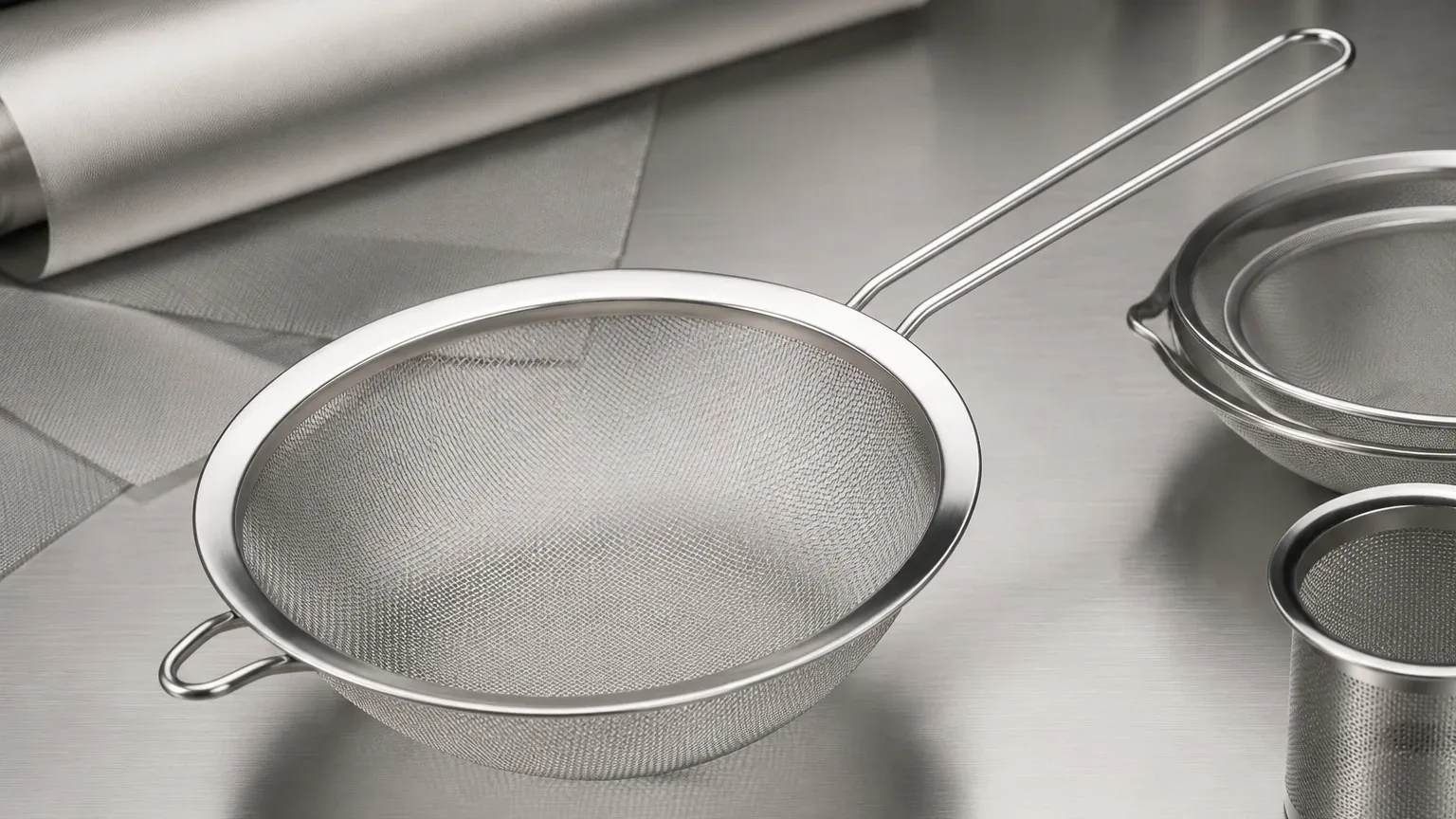
In industrial filtration, the term "strainer 9 inch" typically refers to the physical dimensions of a filtration component—most commonly the diameter or length of a replacement basket or the nominal size of a specialized housing. While standard pipe schedules often jump from 8-inch to 10-inch diameters, custom engineering requirements frequently necessitate 9-inch specifications to fit proprietary equipment or to optimize flow rates in specific chemical and water treatment processes. Understanding the technical nuances of these components is essential for maintaining system integrity and ensuring efficient particle separation.
Industrial Strainers & Baskets serve as the primary line of defense for downstream equipment such as pumps, valves, and heat exchangers. When specifying a strainer 9 inch component, engineers must evaluate material compatibility, structural reinforcement, and the precise micron rating required for the application. This guide examines the technical considerations, manufacturing standards, and performance factors associated with these critical filtration elements.
Understanding the Dimensions of a 9-Inch Strainer
When a technical specification calls for a strainer 9 inch, it is vital to clarify which dimension is being measured. In many B2B procurement scenarios, this refers to the outer diameter (OD) of a basket strainer used within a larger pressure vessel. Alternatively, it may refer to the overall height of a compact inline strainer used in hydraulic or lubrication systems.
Basket Diameter vs. Housing Size
A 9-inch basket is often designed to fit into a 10-inch or 12-inch housing, providing sufficient annular space for fluid to circulate around the basket before passing through the mesh. This clearance is critical for minimizing localized high-velocity zones that could cause premature wear on the wire mesh. If the 9-inch dimension refers to the flange-to-flange length of an inline T-strainer or Y-strainer, the internal volume must be calculated to ensure it can handle the required flow without excessive pressure drop.
Dimensional Tolerances
For custom-manufactured stainless steel filters, dimensional precision is paramount. A variance of even a few millimeters can lead to "bypass," where unfiltered fluid escapes around the edges of the basket rather than passing through the media. Precision-engineered 9-inch components utilize machined rings or heavy-duty flanges to ensure a metal-to-metal seal or a compressed gasket fit within the strainer body.
Material Selection for Industrial Environments
The performance of a strainer 9 inch is heavily dependent on the metallurgy of its construction. Industrial applications involving corrosive chemicals, high temperatures, or hygienic requirements demand specific grades of stainless steel.
Stainless Steel 304 and 316L
* Type 304: The standard choice for general industrial use, offering excellent strength and basic corrosion resistance. It is suitable for cooling water, non-acidic chemicals, and general debris removal.
* Type 316L: Containing molybdenum, this grade offers superior resistance to chlorides and pitting. It is the preferred material for pharmaceutical, food and beverage, and marine applications where the strainer is exposed to harsh cleaning agents or saline environments.
Specialized Alloys
In extreme environments, such as high-concentration acid processing or high-temperature steam filtration, 9-inch strainers may be fabricated from Duplex stainless steel or Monel. These materials provide the necessary tensile strength and chemical stability to prevent stress-corrosion cracking and material degradation over long service cycles.
Filtration Efficiency and Mesh Configurations
The core function of any strainer 9 inch is to remove solids of a specific size. This is achieved through a combination of perforated metal supports and fine wire mesh linings.
Perforated Support Baskets
For a 9-inch diameter basket, structural integrity is a major concern, especially under high-pressure differentials. The outer layer is typically a perforated plate with hole sizes ranging from 1/16" to 1/4". This plate acts as the "skeleton," providing the mechanical strength to resist collapsing while the inner mesh performs the actual filtration.
Wire Mesh Liners
To achieve finer filtration (from 20 mesh down to 5 micron), a woven wire mesh is sintered or spot-welded to the interior of the perforated support. The choice of weave—such as plain weave, twilled weave, or Dutch weave—affects both the filtration accuracy and the ease of cleaning. A 9-inch strainer with a high-count Dutch weave provides a high surface area, which is essential for maintaining flow when dealing with fine particulates.
Open Area Ratio
A critical engineering metric is the ratio of the open area of the strainer to the cross-sectional area of the inlet pipe. A well-designed strainer 9 inch should ideally offer an open area ratio of at least 6:1. This ensures that even as the basket begins to fill with debris, the system does not experience a catastrophic spike in backpressure.
Engineering Calculations: Flow Rate and Pressure Drop
Selecting a strainer 9 inch requires a thorough analysis of the fluid dynamics within the system. Engineers must calculate the "clean pressure drop" and predict the "dirty pressure drop" to determine the appropriate cleaning interval.
Viscosity and Flow Velocity
The viscosity of the fluid significantly impacts the performance of a 9-inch strainer. Thicker fluids, such as heavy oils or resins, require larger mesh openings or increased surface area to prevent excessive resistance. If the flow velocity exceeds 10 feet per second (fps) for liquids, the turbulence within a 9-inch housing can cause vibration, potentially leading to fatigue in the wire mesh welds.
Calculating Delta P (ΔP)
The pressure drop (ΔP) is influenced by the mesh size, the percentage of open area, and the fluid density. By utilizing a 9-inch component with a pleated design, the effective filtration area can be increased by 200% to 400% compared to a standard cylindrical basket. This modification is often the best solution for systems where space is limited but high flow rates must be maintained.
Custom Manufacturing and OEM Capabilities
Because a 9-inch specification is often non-standard in off-the-shelf catalogs, many industrial facilities rely on OEM (Original Equipment Manufacturer) services for replacement parts. Custom fabrication allows for the integration of specific features that improve operational efficiency.
Handle and Lifting Lug Designs
Large strainers, such as a 9-inch diameter basket, can become heavy when loaded with debris. Custom designs often include ergonomic handles, slanted tops for easier extraction, or heavy-duty lifting lugs. These features are essential for meeting workplace safety standards and reducing downtime during maintenance.
Reinforced Bottoms and Seams
In high-pressure hydraulic applications, the bottom of a strainer 9 inch is a common point of failure. Manufacturers like Kaifil utilize advanced welding techniques, such as TIG (Tungsten Inert Gas) or plasma welding, to ensure that the longitudinal seams and the bottom cap can withstand the mechanical stresses of the system without separating.
Operational Maintenance and Service Life
The longevity of Strainers & Baskets is determined by how they are maintained. For a strainer 9 inch, the maintenance protocol should be dictated by the specific nature of the contaminants being removed.
Monitoring Differential Pressure
Installing differential pressure gauges upstream and downstream of the strainer is the most effective way to monitor performance. For most 9-inch industrial strainers, a pressure differential of 5 to 10 psi indicates that the basket is reaching its holding capacity and requires cleaning. Allowing the ΔP to exceed 20 psi risks deforming the basket or forcing contaminants through the mesh.
Cleaning Procedures
* Manual Cleaning: The basket is removed and washed with a high-pressure water jet or a chemical solvent. Care must be taken not to damage the fine wire mesh during this process.
* Ultrasonic Cleaning: For strainers used in pharmaceutical or food processing, ultrasonic baths can remove microscopic particles trapped deep within the mesh weave, restoring the component to near-original flow capacity.
* Backwashing: In some automated systems, the flow is reversed to flush debris out of a 9-inch strainer without requiring manual disassembly.
Industrial Applications for 9-Inch Strainers
While the 9-inch size may be specific, its applications span several critical sectors where precision filtration is mandatory.
Chemical Processing
In the production of polymers and specialty chemicals, 9-inch strainers are used to remove agglomerates and undissolved catalysts. The use of 316L stainless steel ensures that the strainer does not introduce metallic contamination into the chemical batch.
Water Treatment and Desalination
Large-scale water intake systems use 9-inch baskets to protect sensitive reverse osmosis (RO) membranes from sand, shells, and organic debris. In these environments, the durability of the stainless steel construction is vital for resisting the corrosive effects of brackish water.
Food and Beverage Production
For the filtration of syrups, juices, and dairy products, a strainer 9 inch must meet stringent hygienic standards. This includes smooth, burr-free surfaces and specialized welds that prevent bacterial growth in crevices. Custom baskets are often polished to a Ra (Roughness Average) of 0.8 μm or better to facilitate complete sterilization.
Key Evaluation Criteria for Purchasing
Before procuring a strainer 9 inch, purchasing teams and engineers should confirm the following technical details with the manufacturer:
1. Exact Dimensions: Confirm the flange diameter, basket height, and ring thickness to ensure a drop-in fit.
2. Micron Rating vs. Mesh Count: Ensure the terminology is aligned; for example, a 100-mesh screen provides approximately 150-micron filtration.
3. Pressure Rating: Verify that the structural support (perforated plate) is rated for the maximum system pressure, including potential surges.
4. Material Certification: Request Mill Test Reports (MTRs) to verify the grade of stainless steel, especially for regulated industries like pharma or aerospace.
5. Gasket Compatibility: If the strainer 9 inch includes a sealing ring, ensure the gasket material (Viton, EPDM, PTFE) is compatible with the process fluid.
By focusing on these factual engineering requirements, facilities can ensure that their Strainers & Baskets provide reliable, long-term protection for their industrial processes. Whether it is a standard replacement or a custom-engineered solution, the quality of the 9-inch strainer directly impacts the total cost of ownership by reducing equipment wear and minimizing unscheduled downtime.
