


Strainer Basket Instant Pot
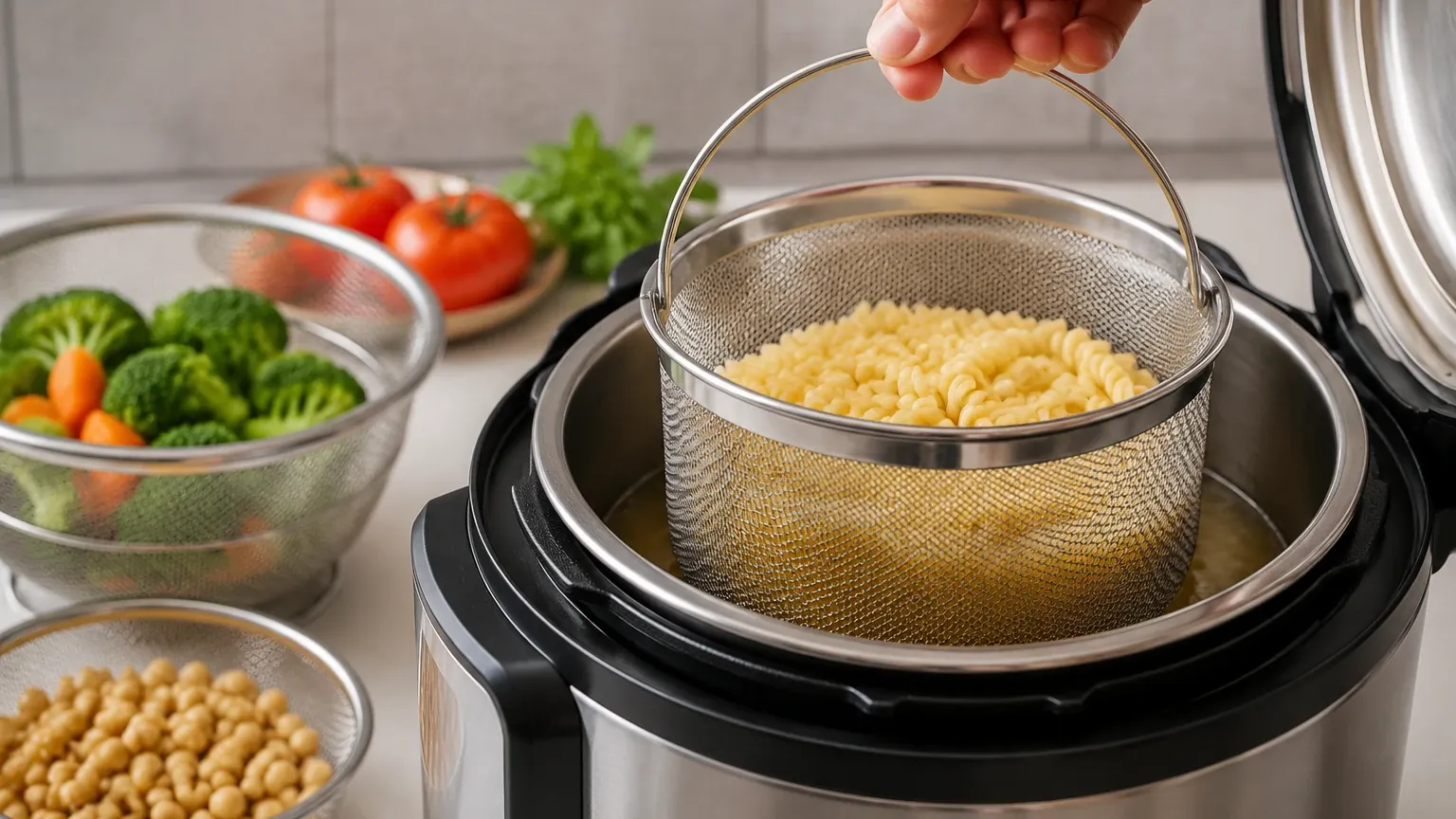
In the realm of food preparation and industrial processing, the efficiency of liquid-solid separation often hinges on the quality of the filtration component. While many consumers are familiar with the utility of a strainer basket instant pot for domestic pressure cooking, the engineering principles behind these components are rooted in industrial-grade filtration technology. For engineers and procurement professionals in the food and beverage, pharmaceutical, and chemical sectors, understanding the transition from consumer-grade accessories to high-performance Strainers & Baskets is essential for maintaining process integrity and equipment longevity.
Industrial filtration requires a level of precision and durability that far exceeds household standards. When scaling up from a simple kitchen application to a commercial production line, the material selection, structural design, and filtration accuracy of a basket strainer become critical variables. This article explores the technical specifications, engineering considerations, and selection criteria for high-quality stainless steel baskets used in demanding industrial environments.
Understanding the Engineering Behind Food-Grade Strainers & Baskets
The fundamental purpose of a strainer basket, whether used in a domestic pressure cooker or a large-scale industrial vessel, is to allow the passage of liquids or steam while retaining solid particles. However, in a B2B context, the "strainer basket instant pot" concept serves as a entry point into the broader world of precision metal filtration. Industrial baskets must withstand significant mechanical stress, thermal fluctuations, and chemical exposure.
Mesh vs. Perforated Metal
Industrial baskets are typically constructed using one of two methods: woven wire mesh or perforated metal. Woven wire mesh offers a higher percentage of open area, which is ideal for fine filtration and high flow rates. Conversely, perforated metal provides superior structural strength, making it suitable for heavy-duty applications where the basket must support a significant weight of solids. In many high-end industrial designs, a perforated metal basket is used as a support structure for a fine mesh liner, combining the benefits of both materials.
Micron Ratings and Filtration Precision
In industrial food processing, the "fineness" of the strain is measured in microns. While a standard household strainer might only need to separate large vegetable chunks, industrial filters often target specific particle sizes to ensure product consistency. Engineering these baskets requires a deep understanding of the viscosity of the fluid and the pressure drop across the filter medium. A well-designed basket minimizes resistance to flow while maximizing particle retention.
Material Selection: Why Stainless Steel is Non-Negotiable
When evaluating a strainer basket instant pot or its industrial equivalent, material choice is the most significant factor in performance and safety. Stainless steel is the industry standard due to its unique combination of properties.
Grade 304 vs. Grade 316L
* Type 304 Stainless Steel: This is the most common grade used in food-grade applications. It offers excellent corrosion resistance and is cost-effective for general use. It is highly resistant to oxidation and is easy to sanitize, making it a staple for standard filtration needs.
* Type 316L Stainless Steel: For more demanding environments, such as those involving high salt concentrations or acidic ingredients, 316L is preferred. The addition of molybdenum enhances its resistance to pitting and crevice corrosion. In pharmaceutical and high-end chemical processing, 316L is often the baseline requirement to ensure zero contamination.
Thermal Stability and Pressure Resistance
Industrial processes often involve high-pressure steam or rapid temperature cycling. A high-quality stainless steel basket must maintain its shape and structural integrity under these conditions. Unlike plastic or low-grade metal alternatives, professional-grade stainless steel does not leach chemicals or warp when exposed to the intense heat of a pressure vessel or industrial autoclave.
Design Considerations for Industrial Pressure and Heat Applications
Transitioning from a consumer-level strainer basket instant pot to an industrial solution requires a focus on mechanical engineering. The design must account for the specific dynamics of the fluid system it inhabits.
Reinforcement and Structural Integrity
In a commercial setting, a basket may be required to hold dozens of kilograms of material while being subjected to high-velocity fluid flow. Engineers often incorporate reinforced rims, heavy-duty handles, and bottom support bars to prevent the basket from collapsing. The welding technique—typically TIG (Tungsten Inert Gas) or resistance spot welding—must be precise to ensure there are no crevices where bacteria can grow, adhering to strict hygienic standards.
Flow Dynamics and Pressure Drop
One of the most common challenges in filtration is the "pressure drop." This occurs when the filter medium restricts the flow of fluid, causing a pressure differential between the inlet and outlet. In industrial systems, an excessive pressure drop can lead to pump failure or reduced throughput. Designers must balance the mesh opening size with the total surface area of the basket to ensure efficient operation. Custom-sized baskets allow for the maximization of surface area within a given vessel footprint.
Customization and OEM Solutions for Specialized Filtration
Every industrial application has unique requirements that off-the-shelf products cannot always meet. This is where OEM (Original Equipment Manufacturer) capabilities become invaluable. Whether an engineer is looking for a specific diameter to fit a proprietary vessel or a unique handle configuration for automated lifting systems, customization is key.
Tailored Filtration Media
Depending on the application, a basket might require a multi-layer sintered mesh for extreme durability or a specific weave pattern (such as plain, twill, or dutch weave) to achieve a particular filtration characteristic. Customization allows for the integration of these specialized media into a basket structure that fits the existing hardware of the production line.
Fitting and Interface Options
The interface between the basket and the housing is a critical seal point. Custom baskets can be engineered with specific flange types, O-ring grooves, or machined rings to ensure a bypass-free fit. This level of precision is what separates a professional industrial component from a generic consumer accessory like a basic strainer basket instant pot.
Maintenance and Longevity in High-Cycle Environments
For B2B buyers, the total cost of ownership (TCO) is often more important than the initial purchase price. A durable, cleanable stainless steel basket provides a much better ROI than disposable or low-quality alternatives.
Cleaning Protocols (CIP and COP)
In the food and pharmaceutical industries, Clean-in-Place (CIP) and Clean-out-of-Place (COP) procedures are standard. Stainless steel baskets are designed to withstand harsh caustic cleaning agents and high-pressure washdowns. The smooth surface finish of high-quality metal filters prevents particle adhesion, making the cleaning process faster and more effective.
Identifying Wear and Replacement Cycles
Even the most robust Strainers & Baskets will eventually show signs of wear. Common indicators include mesh blinding (permanent clogging), wire fraying, or structural deformation. Establishing a regular inspection schedule helps prevent catastrophic failures that could lead to batch contamination or equipment downtime. High-quality manufacturers provide guidance on expected lifespans based on the specific abrasive or corrosive nature of the processed material.
Conclusion: Selecting the Right Filtration Partner
While the search for a strainer basket instant pot might begin with a focus on simple kitchen utility, the underlying technology is a cornerstone of modern industrial processing. For engineers and technical professionals, selecting a filtration component is a matter of balancing material science, mechanical design, and operational efficiency.
Kaifil specializes in bridging the gap between standard filtration needs and complex industrial requirements. By focusing on high-grade stainless steel construction and precision engineering, we provide solutions that ensure product purity and process reliability. When evaluating your next filtration project, consider the long-term benefits of a custom-engineered basket designed to withstand the rigors of your specific industrial environment. Investing in professional-grade filtration components is not just about meeting a specification; it is about optimizing your entire production lifecycle for better performance and reduced operational risk.
