


Engineering Guide to Electrical Wire Filter Solutions and Industrial Filtration
In the landscape of precision industrial manufacturing, the term "electrical wire filter" often refers to specialized filtration components used in Electrical Discharge Machining (EDM) or protective enclosures for sensitive electronic sensors and power systems. These systems require rigorous particulate control to maintain dielectric strength and prevent mechanical failure. High-performance Wire Mesh Filter Cylinders & Tubes serve as the primary defense mechanism in these environments, ensuring that fluids and gases remain free of conductive contaminants.
For engineers and procurement professionals, selecting the appropriate filtration medium is not merely a matter of sizing but a complex evaluation of material science, fluid dynamics, and environmental resistance. This guide examines the technical requirements of filtration in electrical and precision industrial applications, providing a framework for selection and implementation.
The Role of Filtration in Electrical and Precision Machining
In industrial applications involving electrical components, filtration serves two primary purposes: the maintenance of dielectric properties in fluids and the protection of sensitive hardware from environmental ingress.
In Wire-cut Electrical Discharge Machining (WEDM), for instance, an electrical wire filter is essential for cleaning the deionized water or dielectric oil that surrounds the electrode wire. As the wire erodes the workpiece, microscopic metallic particles are suspended in the fluid. If these particles are not removed efficiently, they can cause secondary sparking, reduce machining accuracy, and lead to wire breakage.
Beyond EDM, wire mesh filters are utilized in electrical cooling systems and sensor housings. In these contexts, the filter must provide a high degree of permeability to allow for heat dissipation while maintaining a strict barrier against dust, moisture, and metallic debris that could cause short circuits or signal interference.
Technical Characteristics of Wire Mesh Filter Cylinders & Tubes
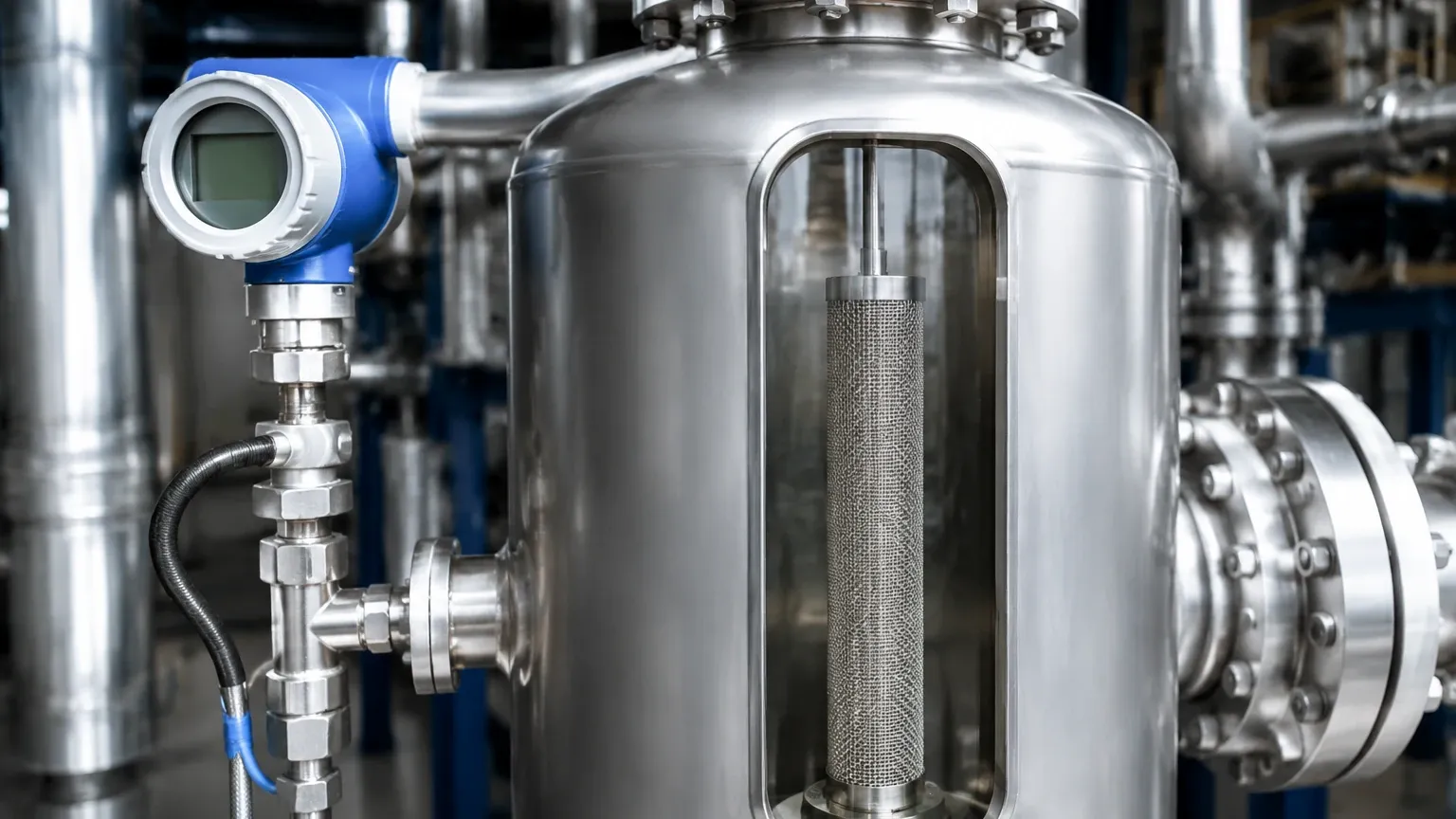
Industrial filtration components, particularly those used in demanding electrical environments, are typically constructed from stainless steel wire mesh. The structural integrity of Wire Mesh Filter Cylinders & Tubes is determined by several engineering factors:
1. Weave Types and Pore Geometry
The geometry of the mesh determines the filtration accuracy (micron rating) and the flow resistance.
* Plain Weave: Offers a straightforward aperture and is used for general-purpose debris exclusion.
* Twilled Weave: Allows for thicker wires and higher mesh counts, providing increased strength for high-pressure applications.
* Dutch Weave (Plain or Twilled): Features a dense, staggered arrangement of wires, resulting in a tortuous path for particles. This is the preferred choice for precision electrical wire filter applications where high-pressure stability and fine micron ratings (down to 5-10 microns) are required.
2. Material Selection: SS 304 vs. SS 316L
Material selection is critical for chemical compatibility and longevity. While SS 304 is suitable for many dry or non-corrosive environments, SS 316L is the industry standard for electrical applications involving deionized water or aggressive dielectric fluids. The addition of molybdenum in 316L provides superior resistance to pitting and crevice corrosion, which is vital in maintaining the purity of the filtration system over long duty cycles.
3. Structural Reinforcement
For high-flow or high-pressure systems, a single layer of wire mesh may lack the necessary mechanical strength. Engineers often specify multi-layer sintered mesh or mesh cylinders reinforced with perforated metal cores. This prevents the mesh from collapsing under the pressure differential ($ΔP$) that occurs as the filter accumulates contaminants.
Selection Criteria for Electrical Wire Filter Applications
When specifying an electrical wire filter for industrial use, several performance metrics must be evaluated to ensure system reliability and cost-effectiveness.
Micron Rating: Absolute vs. Nominal
It is essential to distinguish between nominal and absolute micron ratings. A nominal rating indicates the filter's ability to retain a percentage of particles of a specific size, whereas an absolute rating signifies that 99.9% of particles above that size will be captured. In precision electrical machining, absolute ratings are often required to prevent even the smallest conductive particles from interfering with the electrical discharge process.
Flow Rate and Pressure Drop
The relationship between flow rate and pressure drop is a fundamental engineering constraint. A filter with an excessively fine mesh may provide excellent filtration but will cause a significant drop in pressure, forcing pumps to work harder and increasing energy consumption. Selecting Wire Mesh Filter Cylinders & Tubes with an optimized surface area—often achieved through pleating or increasing the cylinder length—can mitigate this issue.
Temperature and Chemical Stability
Electrical systems often generate significant heat. The filtration media and the adhesives or welding techniques used in the filter's construction must withstand the operating temperature of the dielectric fluid or cooling medium without outgassing or losing structural integrity.
Installation Constraints and Operational Performance
Proper installation is as critical as the selection of the filter itself. In industrial settings, several constraints must be addressed:
* Seal Integrity: The interface between the filter cylinder and the housing must be perfectly sealed. Any bypass, even at the micron level, can render the filtration system ineffective. Common sealing methods include O-rings (Viton or EPDM) and metal-to-metal gaskets for high-temperature applications.
* Orientation and Flow Direction: Most wire mesh tubes are designed for outside-to-inside flow, where the contaminant accumulates on the exterior surface. Reversing this flow without specific design considerations can cause the mesh to burst or delaminate from its support structure.
* Space Limitations: In compact electrical cabinets or EDM machine sumps, space is at a premium. Custom-designed filter cylinders allow engineers to maximize filtration surface area within a restricted footprint.
Application Risks and Mitigation
Failure to maintain an effective filtration regime in electrical applications carries significant risks:
1. Dielectric Breakdown: In EDM, if the electrical wire filter fails to remove carbon and metal fines, the dielectric fluid becomes too conductive. This leads to "arcing," which damages both the workpiece and the machine's electrode.
2. Component Overheating: If a filter becomes clogged and is not replaced or cleaned, the reduced flow rate can lead to inadequate cooling of electrical components, resulting in thermal shutdown or permanent hardware damage.
3. Premature Pump Wear: Particulate matter that bypasses the filter can act as an abrasive, rapidly wearing down the internal components of high-pressure pumps used in industrial fluid systems.
To mitigate these risks, systems should be equipped with differential pressure gauges. A sudden spike in $ΔP$ indicates a clogged filter, while a sudden drop may indicate a ruptured mesh or failed seal.
Procurement Checklist for International Buyers
When sourcing Wire Mesh Filter Cylinders & Tubes from global manufacturers like Kaifil, international buyers should confirm the following technical details to ensure the product meets industrial standards:
* Material Certification: Request mill test reports (MTRs) to verify the grade of stainless steel (e.g., SS 316L) and ensure it meets ASTM or ISO standards.
* Filtration Efficiency Validation: Confirm the testing method used to determine the micron rating (e.g., Bubble Point Test or Multi-pass Test).
* Customization Capabilities: For specialized electrical wire filter needs, verify if the manufacturer can provide custom end-cap configurations, internal support cores, or specialized welding (such as plasma or TIG welding) to ensure clean, burr-free joints.
* Cleaning and Reusability: One of the primary advantages of stainless steel wire mesh is its cleanability. Buyers should inquire about recommended cleaning procedures—such as ultrasonic cleaning or backflushing—to determine the total cost of ownership compared to disposable synthetic filters.
* Quality Control Standards: Ensure the manufacturer adheres to ISO 9001 or equivalent quality management systems to guarantee consistency across large production batches.
Conclusion
Effective filtration is a cornerstone of reliability in modern industrial electrical systems and precision machining. By understanding the nuances of Wire Mesh Filter Cylinders & Tubes, from weave patterns to material compatibility, engineers can optimize performance and extend the lifespan of their equipment. Whether the application involves a specialized electrical wire filter for EDM or a robust stainless steel tube for industrial cooling, the focus must remain on precision, durability, and technical compliance.
For those seeking tailored solutions, collaborating with a manufacturer that understands these engineering boundaries is essential. Customization allows for the alignment of filtration performance with the specific demands of the application, ensuring that the final component contributes to the overall efficiency and safety of the industrial process.
