


1 Strainer Basket
In industrial fluid handling systems, the efficiency of downstream equipment often relies on the integrity of mechanical filtration components. A 1 strainer basket—typically referring to a 1-inch nominal size or a single-unit basket configuration—serves as a critical line of defense against particulate contamination. These components are designed to remove scale, rust, jointing compound, and other foreign solids from liquids or gases, protecting pumps, valves, and heat exchangers from damage and clogging.
For engineers and procurement professionals, selecting a 1 strainer basket requires a deep understanding of fluid dynamics, material science, and the specific demands of the application environment. As a professional manufacturer, Kaifil specializes in engineering these components to meet rigorous industrial standards, ensuring that the filtration surface area, structural strength, and chemical resistance are optimized for long-term performance.
Technical Specifications of the 1 Strainer Basket
The performance of a strainer basket is dictated by its physical dimensions and the materials used in its construction. In a 1-inch system, the basket must balance the need for high flow rates with the necessity of capturing fine particles.
Material Composition
Most industrial strainer baskets are manufactured from stainless steel, specifically grades 304 or 316L.
- Stainless Steel 304: Suitable for general-purpose applications, offering excellent strength and basic corrosion resistance for water and non-acidic fluids.
- Stainless Steel 316L: Preferred for chemical processing, marine environments, and the food and beverage industry due to its superior resistance to chlorides and pitting corrosion.
Filtration Media Options
The "1 strainer basket" can be configured with different types of filtration media depending on the required micron rating:
1. Perforated Metal: Used for coarse filtration (straining). Common hole diameters range from 1/32" to 1/4". It provides a robust structural foundation.
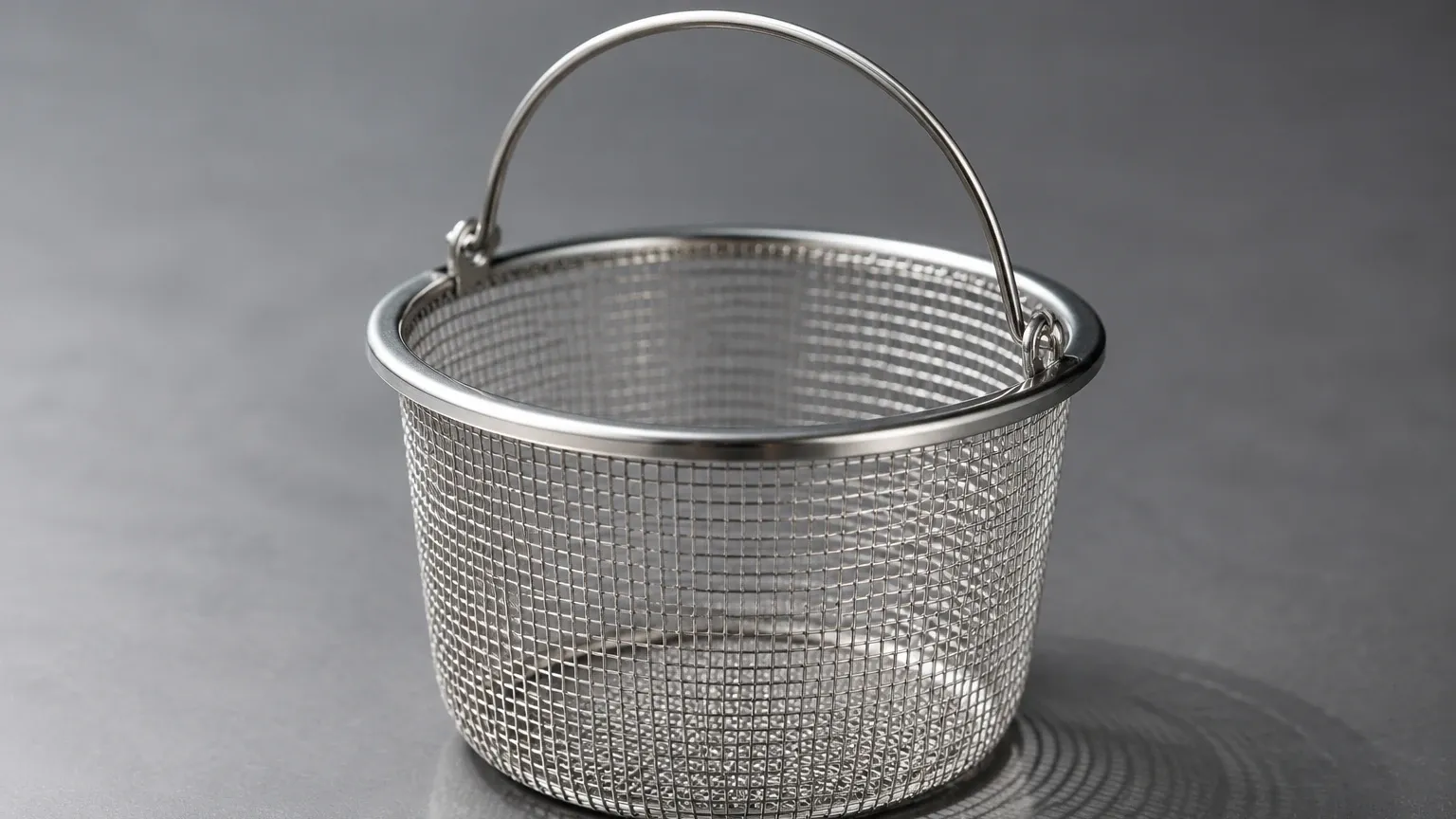
2. Wire Mesh: For finer filtration, a stainless steel wire mesh is lined inside a perforated basket. This allows for filtration levels down to 5 microns or lower.
3. Sintered Mesh: In high-pressure or high-viscosity applications, multiple layers of mesh are sintered together to create a rigid, highly durable filter element that resists deformation.
Engineering Considerations: Flow Rate and Pressure Drop
One of the most critical factors in selecting Strainers & Baskets is the clean pressure drop (ΔP). Every filter element introduces a degree of resistance to the flow. If the pressure drop is too high, it can lead to cavitation in pumps or reduced system efficiency.
The Open Area Ratio (OAR)
Engineers must calculate the Open Area Ratio, which is the relationship between the internal cross-sectional area of the inlet pipe and the total open area of the basket's holes. A standard 1 strainer basket should ideally have an OAR of at least 6:1. This ensures that even as the basket begins to collect debris, there is sufficient surface area to maintain flow without a significant spike in pressure.
Viscosity and Specific Gravity
The flow characteristics change significantly with the fluid's viscosity. For example, a basket designed for water will behave differently when filtering heavy oils or resins. High-viscosity fluids require larger baskets or coarser mesh to maintain the same flow rate as water. When specifying a 1 strainer basket, providing the fluid's operating temperature and viscosity is essential for accurate sizing.
Design Variations and Customization
Industrial applications often require more than a "off-the-shelf" solution. Kaifil’s manufacturing capabilities allow for significant customization of the 1 strainer basket to suit unique housing designs and operational requirements.
Structural Reinforcement
In systems subject to pressure surges or high differential pressures, a standard mesh basket may collapse. To prevent this, baskets are often designed with heavy-duty perforated support cores or external reinforcement rings. This ensures the basket maintains its shape even when it is nearly full of contaminants.
Handle and Seal Configurations
Ease of maintenance is a key design consideration. Baskets can be equipped with various handle types—such as bail handles, slant handles, or threaded lift lugs—to facilitate quick removal during cleaning cycles. Additionally, the sealing interface between the basket and the strainer housing must be precise. Options include flat gaskets, O-rings, or machined metal-to-metal seats to prevent "bypass," where unfiltered fluid leaks around the edge of the basket.
Applications Across Industrial Sectors
The versatility of the 1 strainer basket makes it a staple in numerous sectors. Each industry brings its own set of challenges regarding hygiene, pressure, and chemical exposure.
Chemical and Petrochemical Processing
In these environments, the primary concern is chemical compatibility. Strainers are used to protect sensitive instrumentation and to ensure the purity of the final product. The use of 316L stainless steel and specialized coatings may be necessary to withstand aggressive solvents and acids.
Food and Beverage Industry
Filtration components in this sector must meet strict sanitary standards. A 1 strainer basket for food applications typically features polished surfaces (often Ra < 0.8 μm) to prevent bacterial growth and facilitate Thorough Cleaning-In-Place (CIP). The welds must be smooth and free of pits or crevices.
Water Treatment and Desalination
Strainers are used for pre-filtration in RO (Reverse Osmosis) systems and to protect spray nozzles in cooling towers. In desalination, the high salt content requires high-grade alloys or specialized stainless steels to prevent rapid corrosion.
Maintenance, Cleaning, and Replacement Cycles
A 1 strainer basket is a reusable component, but its lifespan and effectiveness depend on a proper maintenance regimen. Neglecting a clogged basket can lead to structural failure or system downtime.
Monitoring Differential Pressure
The most effective way to determine when a basket needs cleaning is by monitoring the differential pressure across the strainer. Most systems are equipped with gauges for this purpose. A common rule of thumb is to clean or replace the basket when the pressure drop reaches 5-10 psi above the clean pressure drop.
Cleaning Procedures
Stainless steel baskets are typically cleaned using ultrasonic baths, high-pressure water jets, or chemical cleaning agents, depending on the nature of the contaminant. It is vital to inspect the mesh for signs of fraying, corrosion, or mechanical damage after each cleaning cycle. If the mesh is compromised, the filtration integrity is lost, and the basket must be replaced.
Why Choose Kaifil for Strainers & Baskets?
Choosing the right supplier is as important as choosing the right technical specifications. Kaifil provides a combination of engineering expertise and advanced manufacturing that ensures every 1 strainer basket meets the highest quality benchmarks.
- Precision Manufacturing: Utilizing CNC machining and advanced welding techniques, we ensure that every basket fits perfectly within its housing, eliminating the risk of bypass.
- Custom Engineering: We work closely with engineers to develop bespoke filtration solutions that address specific challenges, such as high-temperature operation or extreme particulate loads.
- Quality Assurance: Every product undergoes rigorous inspection to verify mesh counts, hole sizes, and structural integrity before shipment.
When evaluating Strainers & Baskets for your next project, consider the total cost of ownership. A high-quality, well-engineered basket may have a higher initial cost but will save significant resources over time through reduced maintenance, fewer replacements, and better protection of expensive downstream equipment.
Conclusion: Confirming Your Requirements
Before purchasing a 1 strainer basket, technical professionals should confirm the following data points to ensure the selection is fit for purpose:
1. Flow Rate: What is the maximum and normal operating flow?
2. Fluid Properties: What is the viscosity, temperature, and chemical composition?
3. Contaminant Profile: What is the size and nature of the particles being removed?
4. Pressure Limits: What is the maximum operating pressure and the maximum allowable pressure drop?
5. Connection Type: Does the housing require a specific flange or threaded interface for the basket seat?
By addressing these factors, you can ensure that your filtration system operates at peak efficiency. For more information on custom designs and technical support, explore our full range of Strainers & Baskets and consult with our engineering team to find the optimal solution for your industrial application.
