


6 Strainer Basket
In industrial fluid handling systems, the protection of downstream equipment is a critical engineering priority. A 6 strainer basket, typically referring to a 6-inch nominal size or a specific capacity standard used in high-flow piping, serves as the primary line of defense against particulate contamination. These components are designed to capture solid debris that could otherwise damage centrifugal pumps, heat exchangers, spray nozzles, and sensitive instrumentation.
For engineers and procurement professionals, selecting the correct Strainers & Baskets involves more than just matching a pipe diameter. It requires a deep understanding of fluid dynamics, material science, and the specific mechanical stresses of the application. Whether used in chemical processing, water treatment, or the food and beverage industry, a 6 strainer basket must offer a balance between high dirt-holding capacity and minimal pressure drop.
Understanding the Role of a 6 Strainer Basket in Industrial Filtration
The fundamental purpose of a basket strainer is to remove solids from a flowing liquid. Unlike Y-strainers, which are often used for steam or gases where the amount of debris is minimal, basket strainers are preferred for liquid applications with higher solids loading. The "basket" design provides a larger surface area for filtration, which directly correlates to longer run times between cleaning cycles.
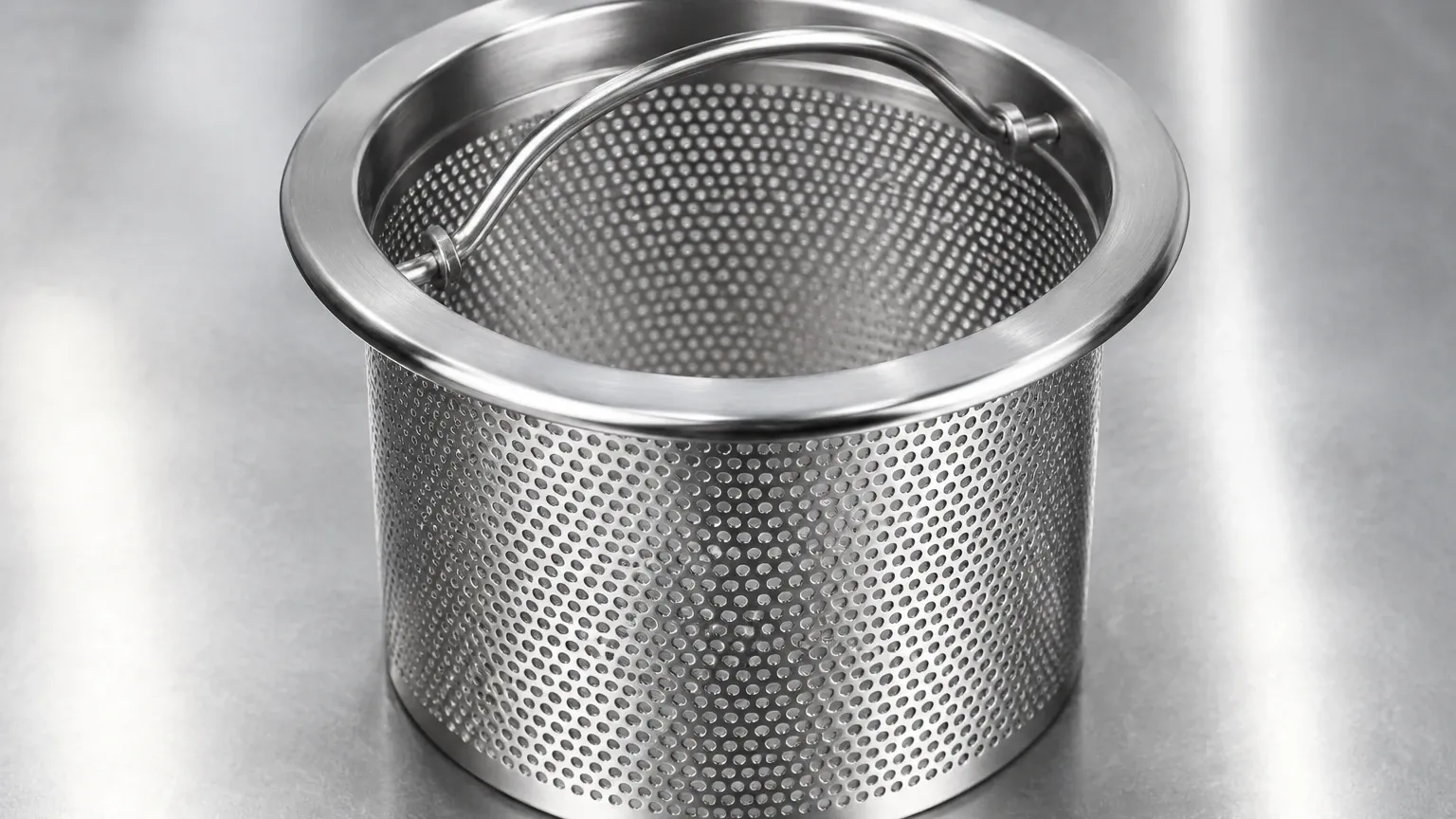
In a 6-inch system, the flow rates are substantial. A 6 strainer basket must be engineered to withstand the velocity of the fluid without deforming. The design typically features a perforated metal body that provides structural integrity, often lined with a finer wire mesh to achieve the required filtration rating. The orientation of the basket—usually top-loading—allows for easy access during maintenance, a key consideration for reducing operational downtime.
Material Selection and Chemical Compatibility
The longevity of a 6 strainer basket is largely determined by its material composition. In industrial environments, stainless steel is the standard due to its corrosion resistance and mechanical strength.
Stainless Steel 304 vs. 316L
For most general-purpose industrial applications, Type 304 stainless steel offers excellent durability and resistance to oxidation. However, in environments involving chlorides, acids, or high-salinity fluids, Type 316L is the preferred choice. The addition of molybdenum in 316L provides superior resistance to pitting and crevice corrosion, which is vital for chemical processing and marine applications.
Specialized Alloys
In highly aggressive environments, such as those found in the petrochemical or pharmaceutical sectors, standard stainless steel may not suffice. Manufacturers like Kaifil can provide baskets in specialized alloys or with specific surface treatments (such as electropolishing) to meet stringent sanitary standards or to resist specific chemical attacks. Ensuring the basket material is compatible with the process fluid prevents premature failure and contamination of the product stream.
Engineering Specifications: Perforation and Mesh Linings
A 6 strainer basket is defined by two primary filtration parameters: the perforation size of the support basket and the mesh count of the lining.
Perforated Support
The outer shell of the basket is usually made from perforated plate. Common hole patterns include staggered or straight-row round holes. The "open area ratio" is a critical engineering metric here; it represents the percentage of the basket surface that is open for flow. A higher open area reduces initial pressure drop but may compromise the structural rigidity of the basket under high-pressure differentials.
Wire Mesh Linings
When finer filtration is required—typically below 0.125 inches (3.2mm)—the perforated basket is lined with stainless steel wire mesh. Mesh sizes can range from 20 mesh (840 microns) down to 400 mesh (37 microns) or finer. Engineers must specify the mesh based on the smallest particle that needs to be removed. However, it is important to note that finer mesh increases the frequency of cleaning and the risk of blinding (clogging).
Evaluating Flow Dynamics and Pressure Drop
One of the most common mistakes in strainer selection is overlooking the "clean pressure drop" (ΔP). For a 6 strainer basket, the flow rate (measured in GPM or m³/h) must be reconciled with the viscosity of the fluid.
As fluid passes through the mesh, it encounters resistance. If the basket is too small or the mesh is too fine for the flow rate, the pressure drop will be excessive from the start. This not only reduces system efficiency but can also lead to cavitation in pumps located downstream.
Engineers should aim for a basket design where the open area is at least 6 to 8 times the cross-sectional area of the inlet pipe. This ratio ensures that even as the basket begins to collect debris, the system can continue to operate within acceptable pressure parameters. Monitoring the differential pressure across the strainer is the most reliable way to determine when the 6 strainer basket requires cleaning.
Customization Options for Specific Industrial Applications
Standard off-the-shelf baskets often fail to meet the unique requirements of specialized industrial processes. Customization is a core strength of manufacturers like Kaifil, allowing for the optimization of the 6 strainer basket for specific mechanical and operational needs.
Handle and Lifting Mechanisms
For 6-inch baskets, the weight of the basket plus the captured debris can be significant. Custom handles, such as heavy-duty bale handles or slanted handles, facilitate easier removal. In some cases, lifting eyes are integrated for use with overhead hoists.
Reinforcement and Structural Integrity
In high-pressure systems or applications with high-viscosity fluids (like resins or heavy oils), the basket may be subject to significant mechanical stress. Reinforcing bands, heavy-duty bottom plates, and internal support frames can be added to prevent the basket from collapsing or bursting under pressure.
Gasket and Seal Integration
To prevent fluid bypass, the basket must seat perfectly within the strainer housing. Custom-engineered flanges with integrated gaskets made from EPDM, Viton, or PTFE ensure that 100% of the fluid passes through the filtration media. This is particularly important in pharmaceutical and food-grade applications where bypass can lead to batch contamination.
Maintenance and Operational Best Practices
The total cost of ownership for a 6 strainer basket is heavily influenced by how it is maintained. A robust maintenance protocol extends the life of the basket and protects the entire system.
1. Regular Cleaning Cycles: Baskets should be cleaned before the differential pressure reaches a critical limit (usually 5-10 psi above clean ΔP). Allowing the basket to become completely clogged can cause the mesh to tear or the support structure to deform.
2. Cleaning Methods: For stainless steel baskets, cleaning methods vary by industry. In the food industry, Clean-in-Place (CIP) or ultrasonic cleaning is common. In heavy industrial applications, manual pressure washing or chemical soaking may be required. It is essential to ensure that the cleaning process does not damage the fine wire mesh.
3. Inspection for Wear: During every cleaning cycle, the basket should be inspected for signs of fatigue, such as broken wires in the mesh, thinning of the perforated metal, or warping of the sealing flange. Early detection of wear prevents catastrophic failure during operation.
4. Spare Parts Management: Keeping spare 6 strainer baskets on-site is a best practice for minimizing downtime. Having a clean basket ready to swap in allows the dirty one to be cleaned offline without stopping the process.
Critical Information for Procurement and Engineering
Before finalizing a purchase for a 6 strainer basket, the following technical details should be confirmed with the manufacturer:
* Fluid Properties: Viscosity, temperature, and chemical composition.
* Flow Rate: Minimum, normal, and maximum flow rates.
* Filtration Rating: The specific micron or mesh size required for downstream protection.
* Housing Dimensions: Precise measurements of the strainer housing, including the seat diameter and depth, to ensure a proper fit.
* Maximum Allowable Pressure Drop: The limit at which the system can safely operate.
By focusing on these technical boundaries, engineers can ensure they receive a filtration component that provides reliable performance and long-term durability. Precision manufacturing in the production of Strainers & Baskets ensures that every component meets the exacting standards required for modern industrial processing.
In conclusion, the 6 strainer basket is a fundamental component in industrial fluid management. Its effectiveness depends on the synergy between material quality, structural design, and application-specific customization. By partnering with an experienced manufacturer like Kaifil, technical teams can secure filtration solutions that optimize flow, protect expensive equipment, and maintain the integrity of their industrial processes.
