


Inlet Filter Pack Astral 27939
In industrial fluid management and high-performance filtration systems, the integrity of inlet components determines the operational lifespan of downstream equipment. The inlet filter pack astral 27939 represents a specific engineering solution designed to mitigate the risks of particulate contamination in specialized fluid circuits. For engineers and procurement professionals, understanding the technical nuances of these components—ranging from material composition to mesh geometry—is essential for maintaining system efficiency and reducing unplanned downtime.
Filtration at the inlet stage is the first line of defense. Whether the application involves chemical processing, hydraulic systems, or large-scale water treatment, the selection of Filter Discs & Packs must be guided by rigorous technical standards. This article examines the engineering principles, material requirements, and performance metrics associated with industrial filter packs, providing a technical framework for evaluating components like the Astral 27939 and their customized alternatives.
Technical Specifications of Industrial Filter Discs & Packs
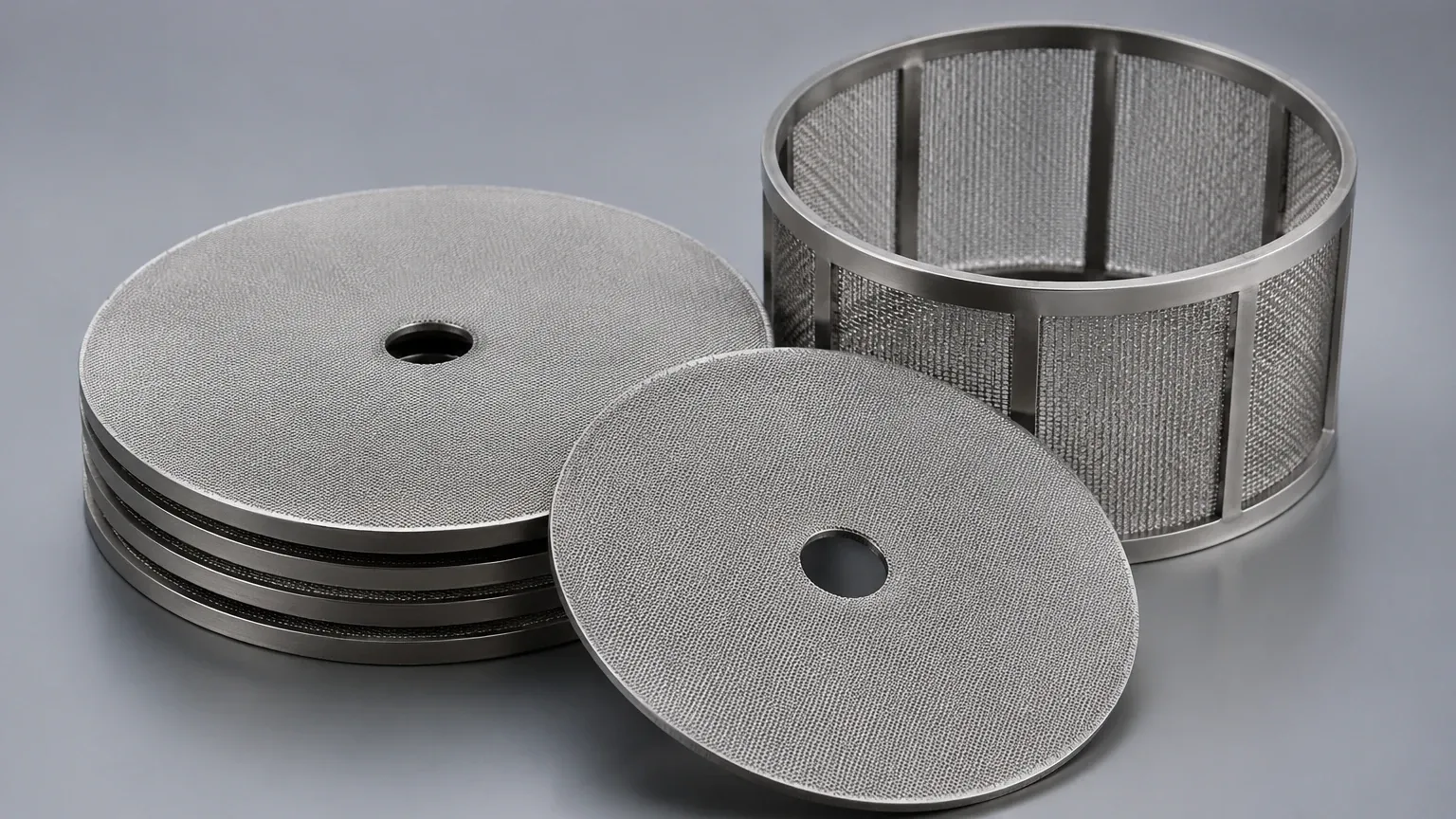
Filter discs and packs are rarely monolithic structures; they are precision-engineered assemblies often comprising multiple layers of wire cloth. The primary objective is to achieve a specific micron rating while maintaining structural rigidity under fluid pressure.
Layer Configuration and Weave Types
Industrial filter packs typically utilize a combination of weave types to balance filtration accuracy with flow capacity:
* Plain Weave: The most common weave where wires cross over and under each other. It offers high flow rates and is suitable for primary filtration stages.
* Dutch Weave: This weave uses larger diameter wires in the warp and smaller wires in the shute, creating a dense, strong mesh. It is ideal for high-pressure environments where fine filtration is required.
* Twill Weave: Each warp wire passes successively over and under two shute wires, allowing for heavier wire diameters and increased durability for a given mesh count.
In a multi-layer configuration, a fine filtration mesh is often sandwiched between coarser support layers. This "pack" design prevents the fine mesh from deforming under the force of the fluid stream, ensuring that the pore size remains constant throughout the service cycle.
Binding and Edge Treatments
For components like the inlet filter pack astral 27939, the edge treatment is a critical engineering detail. Without proper binding, the edges of the wire mesh can fray, leading to bypass or the introduction of metal fragments into the system. Common edge treatments include:
* Spot Welding: Multiple layers are fused at specific points to maintain alignment.
* Aluminum or Stainless Steel Rims: A metal U-section is crimped around the circumference, providing a robust seal and making the disc easier to handle during installation.
* Sintering: In high-performance applications, layers are thermally bonded (sintered) to create a porous metal plate that is virtually immune to layer migration or deformation.
Functional Role of the Inlet Filter Pack Astral 27939
The inlet filter pack astral 27939 is specifically engineered for integration into fluid systems where high-volume throughput must be balanced with the removal of suspended solids. Its primary function is to protect pumps, valves, and sensitive instrumentation from abrasive wear and clogging.
Protecting Downstream Assets
In many industrial setups, the cost of the filter pack is negligible compared to the cost of the equipment it protects. For instance, in hydraulic or chemical dosing systems, a single particle of debris passing through the inlet can cause catastrophic failure in high-precision pump internal components. The Astral 27939 serves as a sacrificial but essential barrier, capturing contaminants before they can enter the high-pressure zones of the system.
Flow Dynamics and Turbulence Management
Beyond simple particle capture, the geometry of the filter pack influences the flow profile of the incoming fluid. A well-designed pack minimizes turbulence, which can otherwise lead to cavitation or vibration in the pump housing. By providing a uniform resistance across the inlet surface, the filter pack helps stabilize the fluid velocity, contributing to a more predictable and efficient system performance.
Material Science in Stainless Steel Filtration
Material selection is the most significant factor in determining the chemical compatibility and thermal resistance of a filter pack. For industrial environments, stainless steel is the industry standard due to its mechanical strength and resistance to oxidation.
Grade 304 vs. Grade 316L
* AISI 304: This is the standard grade for general-purpose filtration. It offers excellent strength and good corrosion resistance in most water treatment and food-grade applications. However, it may be susceptible to pitting in high-chloride environments.
* AISI 316L: The "L" denotes low carbon, which improves weldability and resistance to intergranular corrosion. Grade 316 contains molybdenum, significantly increasing its resistance to chlorides and acidic solutions. For chemical processing or marine-adjacent applications, 316L is the preferred material for filter discs and packs.
Specialty Alloys
In extreme cases involving highly corrosive chemicals or temperatures exceeding 500°C, engineers may specify specialty alloys such as Monel, Inconel, or Hastelloy. These materials ensure that the filter pack does not undergo stress corrosion cracking or thermal degradation, which could lead to a total breach of the filtration barrier.
Engineering Factors: Micron Rating and Pressure Differential
When selecting or replacing an inlet filter pack astral 27939, engineers must evaluate two primary performance metrics: the micron rating and the allowable pressure drop ($ΔP$).
Absolute vs. Nominal Filtration
* Nominal Rating: This refers to the ability of the filter to retain a majority of particles of a specified size (usually 60% to 90%). It is a generalized measure and may allow some larger particles to pass through.
* Absolute Rating: This indicates the diameter of the largest hard spherical particle that will pass through the filter under specified test conditions. In critical industrial processes, an absolute rating is required to ensure total protection of downstream components.
Managing the Pressure Drop
Every filter introduces a degree of resistance to the flow. As the filter pack captures debris, the effective open area decreases, and the pressure drop increases.
$$ΔP = P_{inlet} – P_{outlet}$$
If the $ΔP$ becomes too high, it can lead to pump starvation, reduced flow rates, and potential collapse of the filter mesh. Therefore, the design of the filter pack must provide sufficient surface area to accommodate the expected dirt-holding capacity without exceeding the system's operational pressure limits. Engineers often use pleated designs or multi-disc stacks to increase the surface area within a compact footprint.
Manufacturing Precision and Customization Options
While standard parts like the astral 27939 meet many needs, many industrial applications require customized filtration solutions. Manufacturers like Kaifil specialize in the precision fabrication of filter components tailored to unique environmental challenges.
Custom Geometry and Sizing
Not all inlet ports are circular. Custom manufacturing allows for the production of oval, rectangular, or complex polygonal filter packs. Furthermore, the thickness of the pack can be adjusted by adding or removing layers of mesh to meet specific filtration depths or structural requirements.
OEM and Replacement Strategy
For many purchasing teams, sourcing OEM-quality replacements is a matter of balancing cost and reliability. Custom manufacturers can reverse-engineer existing specifications to produce filter packs that match or exceed the performance of original parts. This includes optimizing the mesh count for better flow or upgrading the material grade for longer service life in harsh environments.
Quality Control Standards
In the B2B sector, quality assurance is non-negotiable. Precision manufacturing involves:
* Bubble Point Testing: To verify the pore size and integrity of the mesh.
* Ultrasonic Cleaning: To ensure the filter pack is free of manufacturing oils, burrs, or metallic dust before it is installed in a clean process.
* Dimensional Inspection: Using digital imaging to ensure every disc fits perfectly within its housing, preventing bypass.
Operational Maintenance and Replacement Strategies
The longevity of an inlet filter pack depends heavily on the nature of the fluid and the maintenance protocols in place. Unlike disposable polymer filters, stainless steel filter packs are often cleanable and reusable, providing a lower total cost of ownership (TCO).
Cleaning Protocols
Depending on the contaminant, stainless steel packs can be cleaned using several methods:
* Backwashing: Reversing the flow of fluid to dislodge particles from the mesh surface.
* Chemical Cleaning: Using mild acids or surfactants to dissolve organic or mineral deposits.
* Ultrasonic Bathing: Using high-frequency sound waves in a cleaning solution to remove fine particles embedded deep within the mesh layers.
Indicators for Replacement
Despite their durability, filter packs eventually reach a point of "permanent fouling" where cleaning no longer restores the original pressure drop. Key indicators that a replacement is necessary include:
* Persistent High Pressure Drop: Even after a cleaning cycle, the $ΔP$ remains above the baseline.
* Visible Mesh Distortion: Warping or "bowing" of the mesh indicates that the material has been stressed beyond its elastic limit.
* Compromised Seals: Any damage to the binding or rim can allow unfiltered fluid to bypass the pack, rendering the filtration system ineffective.
Conclusion
The inlet filter pack astral 27939 is more than a simple screen; it is a critical engineering component that ensures the stability and longevity of industrial fluid systems. By selecting the appropriate material grade, weave type, and layer configuration, engineers can optimize filtration performance while minimizing energy consumption and maintenance costs.
For organizations looking to enhance their filtration efficiency, moving beyond standard off-the-shelf components to precision-engineered Filter Discs & Packs offers a pathway to improved reliability. Whether through direct replacement of specific SKUs like the Astral 27939 or the development of custom OEM solutions, the focus must remain on technical accuracy and material integrity to meet the demanding requirements of modern industrial processes.
