


Steaxs Filter Pack Dbd
In the landscape of high-precision industrial filtration, the reliability of filtration components directly impacts the quality of the final product and the efficiency of the production line. Specialized components like the steaxs filter pack dbd are engineered to meet the rigorous demands of chemical processing, polymer extrusion, and hydraulic systems. These multi-layer filtration units are designed to withstand extreme pressures and temperatures while maintaining precise micron ratings. For engineers and procurement specialists, understanding the technical nuances of these filter packs is essential for optimizing system performance and reducing downtime.
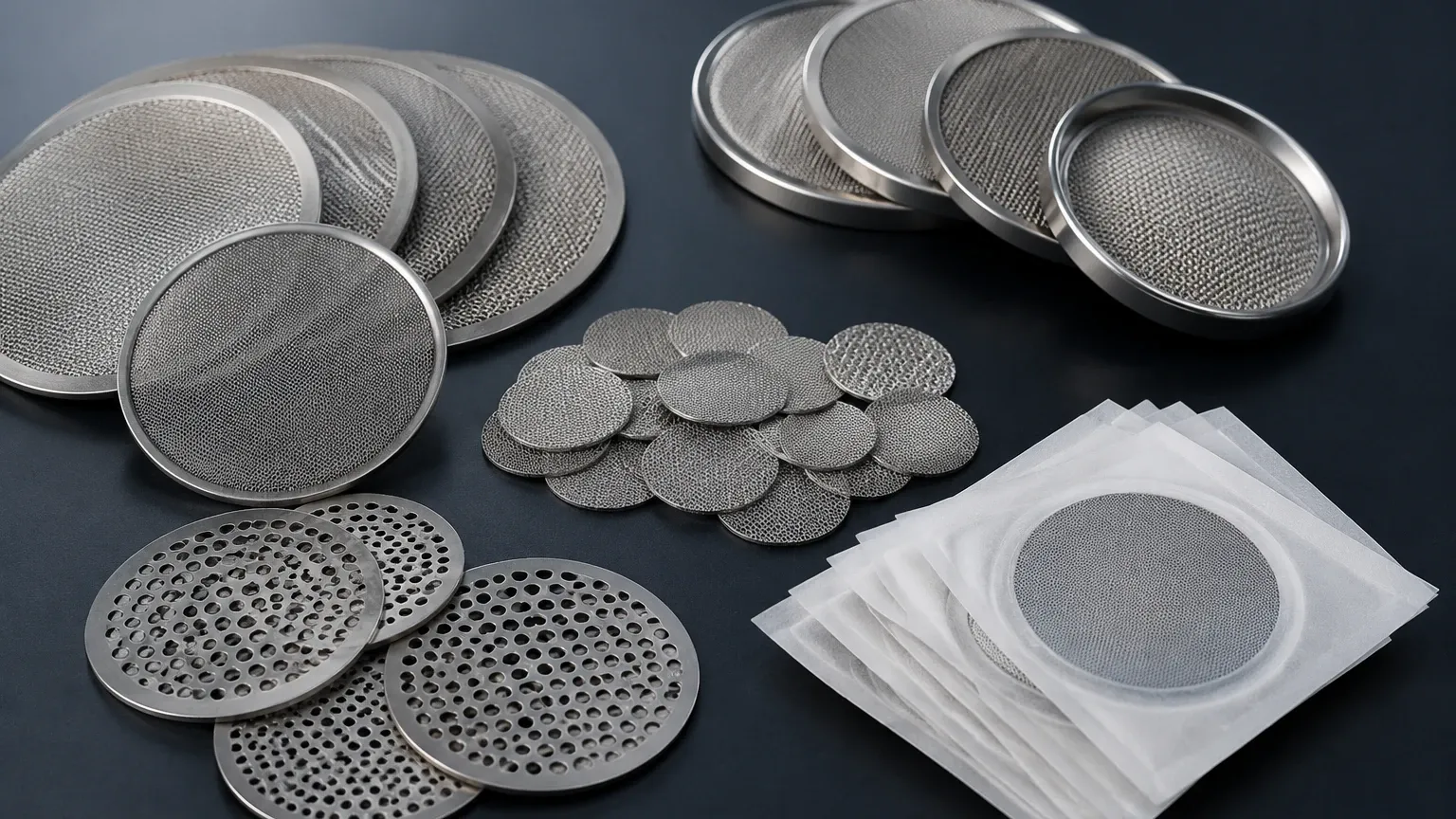
Industrial filtration often requires more than a single layer of mesh. The complexity of modern manufacturing processes necessitates composite structures that can handle high-viscosity fluids and fine particulate matter. This is where high-performance Filter Discs & Packs become indispensable. By combining various mesh counts and weaving patterns, these packs provide a depth-filtration effect that single-layer discs cannot achieve.
The Architecture of High-Performance Filter Packs
The construction of a steaxs filter pack dbd typically involves multiple layers of stainless steel wire mesh. Each layer serves a specific engineering purpose. The outer layers usually consist of a coarse mesh that provides mechanical support and protects the finer inner layers from physical damage during installation or high-pressure surges. The internal layers are the "active" filtration media, selected based on the required micron rating.
In many industrial applications, these layers are bonded together using precise spot welding or are enclosed within a metal rim—often made of aluminum, copper, or stainless steel. This rimming process, frequently associated with the "dbd" or similar designators, ensures that the edges of the mesh are sealed, preventing bypass and ensuring that all fluid passes through the filtration media. The choice of rim material is critical, as it must be compatible with the process fluid and the operating temperature of the housing.
Engineering the Layer Sequence
When designing a filter pack, engineers must consider the sequence of the mesh layers. A typical configuration might include:
1. Support Layer: A heavy-duty mesh that maintains the structural integrity of the pack under high differential pressure.
2. Drainage Layer: A medium-mesh layer that facilitates fluid flow and prevents the fine filtration mesh from blinding against the support layer.
3. Filtration Layer: The primary layer responsible for particle retention, often utilizing a Dutch weave or twill weave for high precision.
4. Protective Layer: A final coarse mesh to protect the filtration layer from back-pressure or mechanical abrasion.
This layered approach allows the steaxs filter pack dbd to achieve a high dirt-holding capacity while maintaining a low initial pressure drop, which is vital for energy efficiency in continuous processing environments.
Technical Specifications and Material Selection
Material selection is the cornerstone of filtration durability. Most high-end filter packs are manufactured from stainless steel, specifically grades 304, 316, or 316L. The choice between these grades depends on the chemical environment and the potential for corrosion.
* Grade 304: Suitable for general industrial applications where high-temperature resistance is required but corrosive chemicals are not present in high concentrations.
* Grade 316/316L: Preferred for pharmaceutical, food and beverage, and chemical processing. The addition of molybdenum in 316 stainless steel provides superior resistance to chlorides and organic acids. 316L, the low-carbon version, is often chosen for welded assemblies to prevent carbide precipitation and ensure long-term structural integrity.
Beyond basic stainless steel, specialized alloys like Hastelloy or Monel may be used for extremely aggressive chemical environments. The wire diameter and weaving pattern (Plain, Twill, or Dutch) are also calculated to balance flow rate against mechanical strength. For instance, a Reverse Dutch Weave provides exceptional strength for high-pressure polymer melt filtration, a common application for the steaxs filter pack dbd.
Performance Evaluation Criteria
When evaluating the performance of Filter Discs & Packs, technical teams must look beyond the nominal micron rating. Several key metrics determine the suitability of a filter pack for a specific industrial application:
1. Filtration Accuracy (Absolute vs. Nominal)
Nominal ratings refer to the ability of the filter to retain a certain percentage of particles of a given size. However, in critical applications like pharmaceutical manufacturing or precision hydraulic systems, absolute ratings are required. An absolute rating ensures that no particle larger than the specified micron size can pass through the mesh under laboratory conditions.
2. Pressure Drop (Delta P)
The initial pressure drop across a clean filter pack is a critical indicator of system efficiency. A high initial Delta P can lead to premature pump wear and increased energy consumption. The design of the steaxs filter pack dbd aims to maximize the open area of the mesh while maintaining the required filtration fineness to keep the pressure drop within acceptable limits.
3. Mechanical Strength and Burst Pressure
In polymer extrusion, filter packs are subjected to immense pressure as the viscous melt is forced through the media. The pack must not only resist deforming but also prevent "media migration," where individual wires might break and contaminate the downstream product. The welding and rimming quality are paramount here.
Applications in Demanding Industrial Sectors
The versatility of the steaxs filter pack dbd makes it a staple in several high-stakes industries. Each sector has unique requirements that dictate the final design of the filter component.
Chemical and Petrochemical Processing
In these environments, filters must withstand aggressive solvents and high temperatures. Filter packs are used to remove catalysts, impurities, and particulates from process streams. The ability to clean and reuse stainless steel filter packs makes them a cost-effective alternative to disposable cartridges in many chemical applications.
Polymer and Plastic Extrusion
The extrusion process requires the removal of "gels" and un-melted particles that can cause defects in films, fibers, or molded parts. The steaxs filter pack dbd is often used in "screen changers," where it must endure high temperatures (up to 300°C or more) and pressures exceeding 300 bar. The precision of the mesh layers ensures a consistent product finish.
Food and Beverage Production
Filtration in the food industry requires materials that are FDA-compliant and easy to sanitize. Stainless steel filter discs are ideal because they do not shed fibers and can be cleaned using CIP (Clean-In-Place) systems. They are commonly used in the filtration of edible oils, syrups, and beverages.
Customization and Engineering Support
One of the most significant advantages of working with a professional manufacturer like Kaifil is the ability to customize Filter Discs & Packs to exact specifications. Off-the-shelf solutions rarely meet the specific needs of complex industrial machinery.
Customization options include:
* Variable Layering: Adjusting the number and type of mesh layers to target specific particle sizes while managing flow resistance.
* Custom Shapes and Sizes: While circular discs are standard, packs can be manufactured in oval, rectangular, or ring shapes to fit proprietary housing designs.
* Specialized Edging: Options for spot-welded edges, aluminum-bound rims, or even rubber gaskets for specialized sealing requirements.
* Surface Treatments: Processes like ultrasonic cleaning ensure that the filter packs are free from manufacturing oils and contaminants before they reach the cleanroom or production floor.
Technical professionals should collaborate closely with manufacturers to provide data on fluid viscosity, operating temperature, flow rate, and the nature of the contaminants. This information allows for the engineering of a steaxs filter pack dbd that is perfectly balanced for the application.
Maintenance and Replacement Cycles
The lifespan of a filter pack is determined by the "terminal pressure drop." As the mesh pores become clogged with contaminants, the pressure required to force fluid through the pack increases. Once this pressure reaches a pre-defined limit, the pack must be replaced or cleaned.
In many high-pressure systems, sensors monitor the differential pressure in real-time. For the steaxs filter pack dbd used in polymer melt filtration, the replacement cycle might be as frequent as every few hours in a continuous screen changer, or it could last weeks in a low-contamination hydraulic system. Regular inspection of used packs can provide valuable insights into the health of the overall system—for example, an unusual amount of metal fines might indicate upstream component wear.
Total Cost of Ownership Considerations
When purchasing filtration components, the initial price is only one factor. The total cost of ownership (TCO) includes the cost of downtime, the labor required for replacement, the energy cost associated with pressure drop, and the potential cost of product loss due to filtration failure.
Investing in high-quality Filter Discs & Packs often leads to a lower TCO. A well-engineered steaxs filter pack dbd will have a longer service life, provide more consistent filtration, and protect expensive downstream equipment from damage. For purchasing teams, verifying the manufacturer's quality control processes and material certifications is a vital step in ensuring long-term operational reliability.
By focusing on technical excellence and precise manufacturing, components like the steaxs filter pack dbd ensure that industrial processes remain efficient, safe, and productive. Whether for a new installation or an upgrade to an existing system, selecting the right filtration media is a critical engineering decision that impacts the entire production lifecycle.
