


In industrial and commercial ventilation systems, the efficiency of grease extraction is a critical factor influencing both operational safety and equipment longevity. The metal mesh grease filter lxwxh 388 5x265x8 represents a standardized yet highly engineered component designed to capture airborne grease, oil, and moisture from exhaust streams. For engineers and procurement specialists, understanding the technical nuances of these filters—ranging from material composition to fluid dynamic performance—is essential for maintaining system integrity.
This guide examines the engineering principles, selection criteria, and maintenance protocols associated with metal mesh grease filters, providing a technical framework for those managing industrial filtration requirements.
The Engineering Principles of Impingement Filtration
Unlike HEPA filters or fine-membrane filters that rely on sieving, a metal mesh grease filter operates primarily through the principle of mechanical impingement. As grease-laden air is drawn through the multiple layers of the filter, the air is forced to change direction rapidly and repeatedly.
Because grease particles have higher mass and inertia than the surrounding air, they cannot follow the rapid changes in airflow direction. Instead, they collide with the cold surfaces of the metal mesh. Once the particles strike the mesh, they coalesce into larger droplets and eventually drain away into a collection trough or remain trapped within the mesh layers until cleaned.
For a filter with dimensions such as 388.5mm x 265mm x 8mm, the depth of the filter (8mm) is specifically calculated to balance filtration efficiency with static pressure drop. A thicker filter might capture more grease but would require a more powerful fan motor to overcome the increased resistance, leading to higher energy consumption and noise levels.
Material Selection for Demanding Environments
When specifying a metal mesh grease filter lxwxh 388 5x265x8, material choice is the most significant factor affecting durability and chemical compatibility.
Stainless Steel (Grade 304 or 316)
Stainless steel is the industry standard for heavy-duty industrial applications. It offers superior resistance to corrosion, high temperatures, and aggressive cleaning chemicals. In environments where high-salinity or acidic vapors are present, such as industrial food processing, stainless steel ensures the structural integrity of the mesh remains intact over thousands of cleaning cycles.
Aluminum
Aluminum filters are lightweight and cost-effective, making them suitable for standard commercial applications. While they offer excellent thermal conductivity—which aids in the cooling and condensation of grease vapors—they are more susceptible to damage from caustic cleaning agents. Engineers must verify that the cleaning protocols used on-site are compatible with aluminum to prevent pitting and oxidation.
Galvanized Steel
While less common in high-end industrial settings, galvanized steel provides a middle ground in terms of cost. However, once the zinc coating is compromised through mechanical wear or chemical exposure, the underlying steel is prone to rapid rusting, which can contaminate the exhaust system.
Technical Specifications and Dimensional Accuracy
The dimensions 388.5 x 265 x 8 mm are not arbitrary; they are designed to fit specific housing frames and tracks within ventilation hoods. In B2B procurement, dimensional tolerance is a critical quality metric. Even a 1mm deviation can lead to "air bypass," where contaminated air flows around the filter rather than through it. This bypass leads to grease accumulation on internal ductwork and fan blades, significantly increasing fire risks and maintenance costs.
Furthermore, the internal structure of the filter often consists of several layers of expanded or woven metal mesh. The density of these layers determines the micron rating of the filter. While grease particles vary in size, industrial-grade filters are typically optimized to capture particles in the 10 to 50-micron range. For specialized applications requiring even finer filtration, engineers may look toward Wire Mesh Filter Cylinders & Tubes which can offer multi-stage filtration in a more compact, high-pressure housing.
Performance Evaluation: Pressure Drop and Face Velocity
From an HVAC engineering perspective, the performance of a grease filter is measured by its pressure drop (measured in Pascals or inches of water gauge) relative to the face velocity (the speed of air entering the filter face).
1. Static Pressure Drop: An 8mm thick filter typically exhibits a low initial pressure drop, which is vital for maintaining the designed volumetric flow rate of the exhaust system. As the filter becomes loaded with grease, the pressure drop increases. If the system is not monitored, this can lead to reduced extraction at the source.
2. Face Velocity: Most commercial and industrial hoods are designed for a face velocity between 1.5 m/s and 2.5 m/s. If the velocity is too low, the grease particles lack the momentum for effective impingement. If the velocity is too high, grease can be "pulled through" the mesh and re-entrained into the airflow.
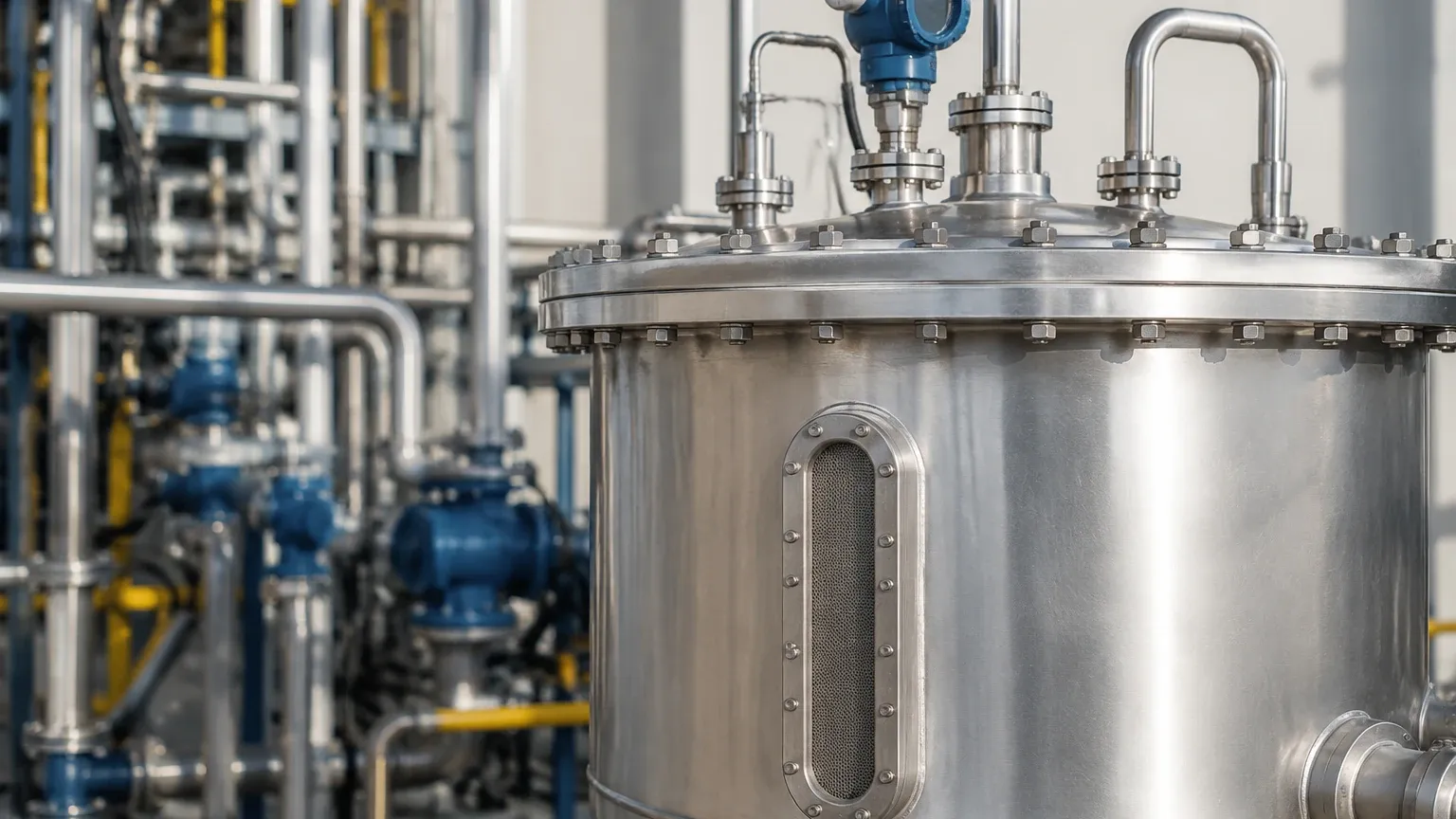
Application Risks and Safety Compliance
The primary risk associated with grease filtration is fire. Accumulated grease is highly flammable. A metal mesh grease filter acts as a flame barrier (flame arrestor) to some extent, preventing a cooking fire from entering the ductwork.
Engineers must ensure that the filters meet relevant international standards, such as UL 1046 or equivalent regional certifications. These standards test the filter's ability to withstand flame exposure without allowing the fire to pass through to the downstream side. Choosing a filter with a robust frame construction—typically a mitered and riveted or welded corner—ensures that the filter will not warp or fall out of its housing during a high-heat event.
Maintenance Protocols and Total Cost of Ownership
One of the primary advantages of the metal mesh grease filter lxwxh 388 5x265x8 over disposable alternatives is its cleanability. However, a filter is only as effective as its maintenance schedule.
* Cleaning Frequency: In high-volume industrial kitchens or processing plants, filters may require daily cleaning. In lighter applications, weekly cleaning may suffice.
* Cleaning Methods: Ultrasonic cleaning is the most effective method for removing polymerized grease from the inner layers of the mesh. High-pressure washing or soaking in degreasing tanks are also common.
* Inspection for Damage: During cleaning, technicians should inspect the mesh for "channelling" or holes. If the mesh is torn, the impingement process is compromised, and the filter must be replaced.
When calculating the Total Cost of Ownership (TCO), engineers should consider the longevity of the stainless steel mesh. While the initial purchase price is higher than aluminum, the extended service life and resistance to aggressive cleaning often result in a lower cost per operating hour.
Customization and Specialized Filtration Solutions
While the 388.5x265x8mm size is a standard specification, many industrial processes require unique geometries or higher filtration precision. Customization options often include:
* Integrated Handles: For ease of removal and installation during maintenance.
* Drainage Holes: Specifically positioned to allow grease to exit the frame into collection cups.
* Layer Configuration: Adjusting the number of mesh layers to meet specific static pressure requirements.
For applications that move beyond flat-panel ventilation, such as hydraulic systems, fuel filtration, or chemical processing, the technology transitions into more complex forms. In these scenarios, Wire Mesh Filter Cylinders & Tubes provide the necessary surface area and structural strength to handle high-pressure differentials and fine particulate removal. These cylindrical components utilize the same high-quality stainless steel wire mesh found in grease filters but are engineered for radial flow and higher mechanical stress.
Conclusion for International Buyers
When sourcing a metal mesh grease filter lxwxh 388 5x265x8, international buyers should confirm several technical details with the manufacturer to ensure the product meets the demands of their specific application:
1. Alloy Specification: Request a material mill certificate to verify the grade of stainless steel or aluminum.
2. Mesh Density: Confirm the number of layers and the type of mesh (expanded vs. woven) to understand the filtration efficiency.
3. Frame Construction: Ensure the frame is rigid enough to withstand repeated handling and high-temperature environments without deforming.
4. Compliance Documentation: Verify that the filters meet local fire safety and environmental regulations.
By focusing on these technical parameters rather than just price, procurement teams can ensure they select filtration solutions that optimize air quality, protect downstream equipment, and maintain a safe working environment. Whether the requirement is for standard grease panels or specialized Wire Mesh Filter Cylinders & Tubes, the foundation of effective industrial filtration remains the same: precision engineering and high-quality material selection.
Download Metal Mesh Grease Filter Lxwxh 388 5x265x8 as a PDF
