


Filter Water Packets
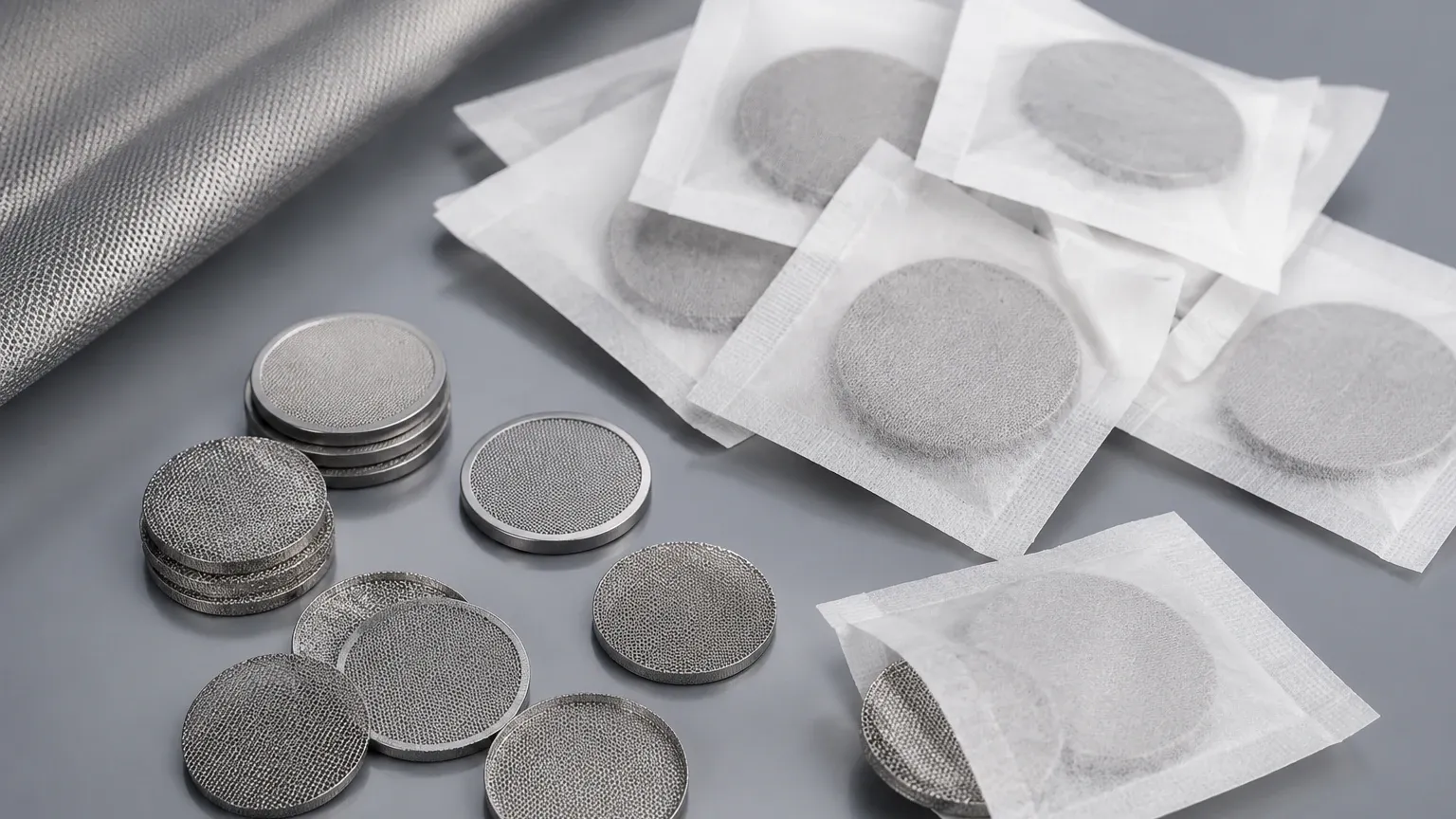
In industrial filtration, the term "filter water packets" often refers to specialized, multi-layered filter packs and discs designed for high-precision liquid processing. Unlike consumer-grade filtration sachets, industrial filter water packets are engineered components—typically constructed from stainless steel wire mesh—used to remove contaminants, protect sensitive downstream equipment, and ensure the purity of process water in demanding environments.
For engineers and procurement specialists, selecting the right Filter Discs & Packs requires a deep understanding of material science, hydraulic dynamics, and mechanical integrity. These components are critical in applications ranging from chemical processing and pharmaceutical manufacturing to high-pressure hydraulic systems and industrial water treatment loops.
Technical Definition of Industrial Filter Packs and Discs
Industrial filter water packets are essentially assemblies of woven wire mesh, often layered to achieve specific filtration gradients. These are frequently referred to as filter discs or screen packs. The primary function of these components is to provide a precise barrier against particulate matter while maintaining structural stability under pressure.
In a B2B context, these "packets" are not loose media but are often spot-welded or rimmed with metal (such as aluminum or stainless steel) to create a single, cohesive unit. This construction prevents the individual layers of mesh from shifting during operation, which would otherwise lead to bypass—a failure where unfiltered water escapes through gaps in the media.
Core Components and Materials
The efficacy of a filter pack is largely determined by its material composition. Stainless steel is the industry standard due to its exceptional resistance to corrosion and high temperatures.
* AISI 304 Stainless Steel: Suitable for general industrial water applications where cost-effectiveness and basic corrosion resistance are required.
* AISI 316/316L Stainless Steel: Preferred for pharmaceutical, food and beverage, and chemical applications. The addition of molybdenum in 316-grade steel provides superior resistance to chlorides and acidic environments, which is essential for treated process water.
* Specialty Alloys: In extreme environments involving highly saline water or aggressive chemicals, alloys like Monel or Inconel may be utilized to prevent premature degradation.
Engineering Considerations for Multi-Layer Design
One of the primary advantages of using multi-layer filter water packets is the ability to create a graduated filtration effect. A single layer of mesh has a limited dirt-holding capacity and can be prone to rapid blinding (clogging). By combining multiple layers, engineers can optimize the performance of the filter disc.
Layer Configuration
A typical high-performance filter pack might include:
1. Support Layer: A coarse, heavy-duty mesh that provides mechanical strength and prevents the finer layers from deforming under high pressure.
2. Drainage Layer: Positioned between the support and filtration layers to ensure even flow distribution across the entire surface area.
3. Filtration Layer: The fine mesh layer that determines the micron rating of the packet. This is where the actual separation of solids from the water occurs.
4. Cover Layer: A protective mesh that shields the fine filtration layer from physical damage during installation or backwashing.
This layered approach significantly increases the total surface area available for particle capture, extending the service life of the component and reducing the frequency of maintenance shutdowns.
Filtration Accuracy and Micron Ratings
When specifying filter water packets, understanding the difference between nominal and absolute filtration ratings is vital.
* Nominal Rating: Refers to the ability of the filter to retain a major percentage (usually 60% to 90%) of particles of a specific size. This is often used for pre-filtration stages where total removal is not critical.
* Absolute Rating: Refers to the diameter of the largest hard spherical particle that will pass through the filter under specified test conditions. For critical water treatment processes, such as the protection of reverse osmosis (RO) membranes or the production of injectable-grade water, absolute ratings are mandatory.
Engineers must also consider the weave type of the wire mesh. Plain weaves offer high flow rates and low pressure drops, while Dutch weaves (including Reverse Dutch Weave) provide much finer filtration levels and higher mechanical strength, making them ideal for high-pressure water packets.
Mechanical Integrity: Rimming and Welding
In industrial water systems, the method used to secure the edges of the filter discs is a key performance indicator. Unsecured edges can fray, leading to metal contamination in the water stream and allowing unfiltered fluid to bypass the media.
Rimmed Discs
Rimmed filter water packets feature a metal binding—usually aluminum, copper, or stainless steel—compressed around the circumference of the disc. This rim serves two purposes: it seals the edges of the multi-layer mesh and provides a flat, stable surface for gaskets or mechanical seals within the filter housing. This is the preferred design for high-pressure applications where a leak-proof seal is non-negotiable.
Spot-Welded Packs
For applications where a low profile is required or where the filter is held in place by the internal geometry of the machine, spot-welded packs are used. Multiple layers of mesh are fused together at strategic points. While this does not provide the same level of edge sealing as a rimmed disc, it maintains the integrity of the layer sequence during handling and installation.
Operational Performance: Flow Rate and Pressure Drop
A critical factor in the selection of filter water packets is the "Clean Pressure Drop" (Delta P). This is the resistance the filter offers to the flow of water when it is first installed.
Engineers must balance filtration fineness with flow requirements. A mesh that is too fine will cause an excessive pressure drop, forcing pumps to work harder and increasing energy consumption. Conversely, a mesh that is too coarse will fail to protect downstream components.
Total Cost of Ownership (TCO) is heavily influenced by this balance. While a cheaper, single-layer disc might have a lower initial purchase price, the increased energy costs and frequent replacement cycles often make high-quality, multi-layer stainless steel packs more economical over the long term.
Customization and OEM Integration
Every industrial water system has unique requirements based on flow velocity, particle characteristics, and housing dimensions. Standardized off-the-shelf filters rarely provide the optimal performance needed for specialized machinery.
Customization options for filter water packets include:
* Custom Diameters: Precise sizing to fit proprietary filter housings without the need for adapters.
* Variable Layering: Tailoring the sequence of mesh counts to handle specific types of debris (e.g., fibrous vs. granular contaminants).
* Shape Variations: While circular discs are most common, packets can be manufactured in oval, rectangular, or ring shapes to suit specific equipment designs.
Working with a manufacturer that understands these engineering nuances allows purchasing teams to procure components that are exactly matched to their technical specifications, ensuring system reliability.
Cleaning and Maintenance Protocols
One of the primary benefits of stainless steel filter water packets over disposable polymer filters is their cleanability. In many industrial processes, these packs can be regenerated multiple times, significantly reducing waste and operating costs.
Common Cleaning Methods:
1. Ultrasonic Cleaning: High-frequency sound waves create cavitation bubbles that dislodge fine particles trapped deep within the mesh layers. This is highly effective for multi-layer packs.
2. Chemical Cleaning: Using mild acids or alkaline solutions to dissolve organic or mineral scaling. This requires careful material compatibility checks to ensure the cleaning agent does not degrade the stainless steel or the rimming material.
3. Backwashing: Reversing the flow of water through the filter to flush out accumulated debris. This is often an automated process in large-scale water treatment plants.
Determining the correct replacement cycle is essential. Even with regular cleaning, metal fatigue or permanent blinding will eventually occur. Monitoring the pressure differential across the filter is the most reliable way to determine when a packet has reached the end of its functional life.
Applications in Industrial Water Treatment
Filter water packets are utilized across a broad spectrum of industries where water quality is a critical process variable:
* Chemical Processing: Protecting high-pressure pumps and spray nozzles from suspended solids in process water.
* Food & Beverage: Pre-filtration of water used in ingredient mixing or bottle washing to ensure compliance with safety standards.
* Pharmaceuticals: Acting as a secondary barrier in purified water loops to capture any potential particulates before point-of-use.
* Hydraulic Systems: Filtering water-glycol fluids and other water-based hydraulic media to prevent component wear.
* Power Generation: Filtering cooling water to prevent the fouling of heat exchangers.
Conclusion: Selecting the Right Filtration Partner
For B2B buyers and engineers, the procurement of filter water packets is not merely a commodity purchase but a technical decision that impacts the efficiency and longevity of the entire production line. High-quality stainless steel Filter Discs & Packs provide the durability and precision required to meet modern industrial standards.
When evaluating suppliers, technical professionals should confirm the manufacturer’s ability to provide detailed material certifications, micron rating verification, and customization support. By focusing on engineering excellence and structural integrity, companies can optimize their filtration processes, reduce downtime, and achieve a lower total cost of ownership in their water treatment operations.
