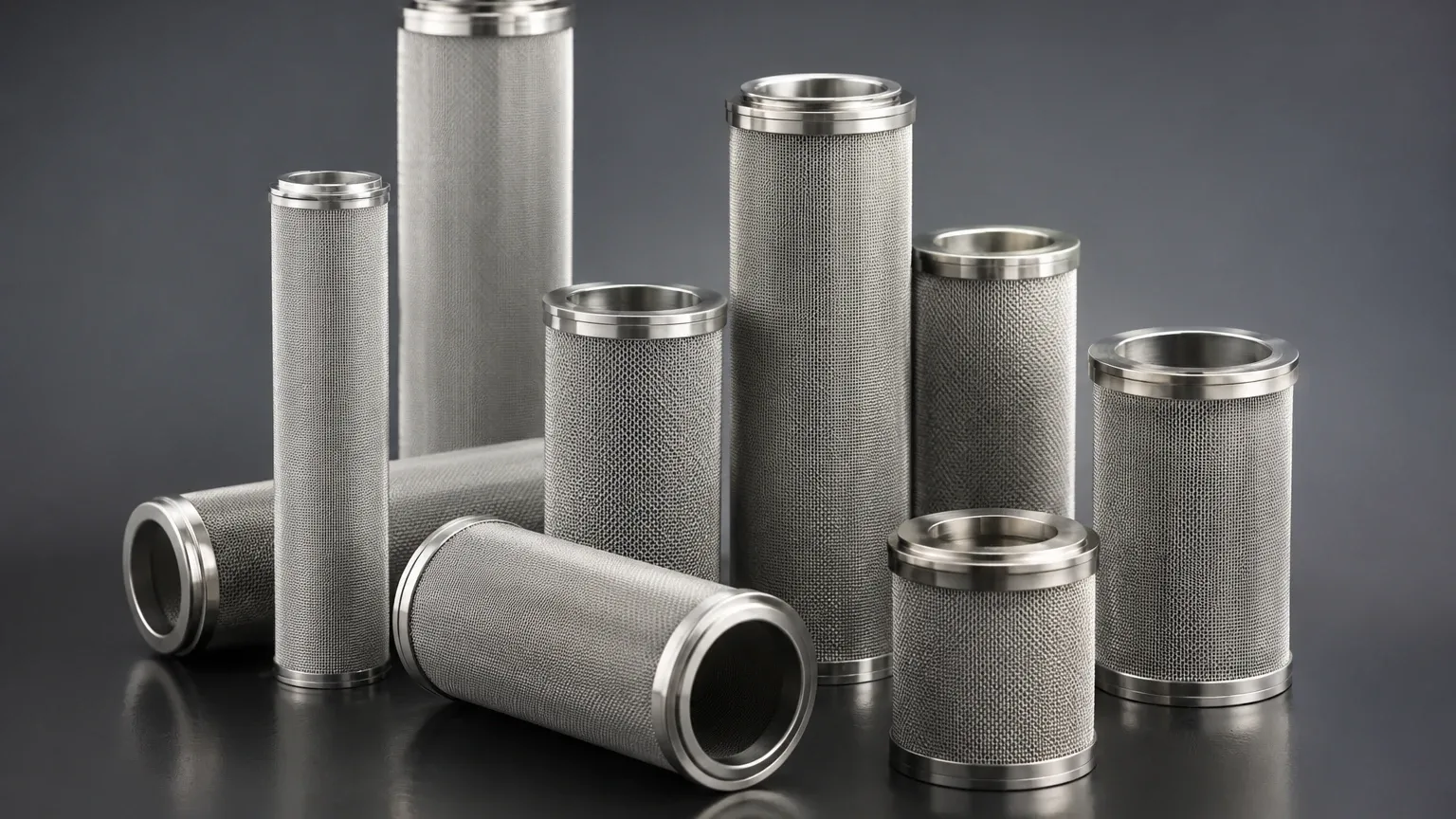
1 Micron Water Filter Cartridges
In industrial water treatment and process fluid management, the selection of filtration media is a critical engineering decision that directly impacts product purity, equipment longevity, and operational costs. Among the various specifications available to engineers, 1 micron water filter cartridges represent a significant threshold in fine filtration. These components are designed to remove microscopic suspended solids, certain cysts, and fine sediments that larger pore sizes would allow to pass through. For industries ranging from pharmaceutical manufacturing to chemical processing, understanding the technical nuances of 1-micron filtration is essential for optimizing system performance.
The Technical Significance of 1-Micron Filtration
A micron, or micrometer, is one-millionth of a meter. To put this into perspective, a human hair is approximately 50 to 70 microns in diameter. Therefore, a 1-micron rating implies the ability to capture particles that are invisible to the naked eye. In the context of water treatment, 1 micron water filter cartridges are often utilized as a final polishing stage or as a protective pre-filter for sensitive downstream equipment such as reverse osmosis (RO) membranes or high-precision spray nozzles.
When evaluating Filter Cartridges, it is vital to distinguish between nominal and absolute filtration ratings. A nominal 1-micron rating suggests that the filter will trap a high percentage of particles of that size, but not necessarily all of them. Conversely, an absolute rating indicates that the filter has been tested to retain 99.9% or more of particles at the specified micron size. For critical industrial applications, engineers typically specify absolute-rated cartridges to ensure consistent water quality and process stability.
Material Selection: Stainless Steel vs. Synthetic Media
While many 1-micron filters are constructed from melt-blown polypropylene or pleated synthetic fibers, industrial environments often demand the specialized properties of metal filtration media. Kaifil specializes in the manufacture of stainless steel filtration solutions, which offer distinct advantages over disposable synthetic options in specific high-demand scenarios.
Durability and Temperature Resistance
Synthetic 1 micron water filter cartridges are generally limited by their thermal stability and structural integrity under high pressure. Stainless steel cartridges, typically constructed from 304 or 316L grade alloys, can withstand extreme temperatures exceeding 200°C (392°F) and maintain their shape under significant differential pressure. This makes them indispensable in steam filtration, hot water loops, and high-viscosity fluid processing.
Chemical Compatibility
In chemical processing and aggressive water treatment environments, synthetic materials may degrade or leach surfactants into the fluid stream. Stainless steel provides superior resistance to a wide array of solvents, acids, and alkaline solutions. This chemical inertness ensures that the 1-micron filtration process does not introduce secondary contaminants into the system.
Cleanability and Sustainability
One of the primary engineering considerations for 1 micron water filter cartridges is the total cost of ownership. Disposable cartridges must be replaced and discarded once they reach their dirt-holding capacity. Stainless steel filter cartridges, however, are often designed to be cleanable. Through ultrasonic cleaning, chemical baths, or backwashing, these metal elements can be restored to their original permeability, significantly reducing long-term waste and replacement costs.
Engineering Considerations for System Integration
Integrating 1 micron water filter cartridges into an industrial system requires a thorough analysis of hydraulic parameters. Engineers must balance filtration efficiency with flow requirements to avoid premature clogging or system inefficiency.
Pressure Drop (ΔP)
Every filter introduces a degree of resistance to flow, known as pressure drop. A 1-micron pore structure is relatively dense, meaning the initial clean pressure drop will be higher than that of a 10 or 20-micron filter. System designers must ensure that the pump capacity is sufficient to overcome both the clean pressure drop and the terminal pressure drop (the point at which the filter is considered fouled and requires cleaning or replacement).
Dirt-Holding Capacity
The dirt-holding capacity refers to the total mass of contaminants a cartridge can retain before the pressure drop reaches a critical limit. In 1 micron water filter cartridges, the surface area is a major factor. Pleated designs are frequently employed to maximize the available surface area within a standard cartridge footprint, thereby extending the service life between maintenance intervals.
Flow Velocity and Flux
High flow velocities can sometimes force deformable particles through a 1-micron pore or cause "breakthrough." To maintain the integrity of the 1-micron rating, engineers must calculate the appropriate flux (flow rate per unit of filter area). Lower flux rates generally result in higher filtration efficiency and longer cartridge life.
Industrial Applications for 1-Micron Cartridges
The requirement for 1-micron filtration spans across several critical sectors, each with its own set of standards and performance expectations.
Food and Beverage Processing
In the production of bottled water, soft drinks, and alcoholic beverages, 1-micron filtration is used to remove fine particulates that could affect the clarity, taste, or shelf-life of the product. It also serves as a critical barrier against certain microorganisms, such as Cryptosporidium and Giardia, which are resistant to traditional chlorine disinfection.
Pharmaceutical and Biotech
Pharmaceutical manufacturing requires exceptionally high water purity (Purified Water or Water for Injection). 1 micron water filter cartridges are often used in the pre-treatment stages to protect ultrafiltration and RO systems. The use of 316L stainless steel cartridges is common here due to the need for SIP (Sterilization-in-Place) and CIP (Clean-in-Place) compatibility.
Power Generation and Cooling Towers
In power plants, fine filtration is necessary to protect boiler feed pumps and heat exchangers from scale and sediment. 1-micron filters help maintain the conductivity and chemistry of the water, preventing corrosion and improving thermal efficiency.
Oil and Gas / Petrochemical
Water used for injection in enhanced oil recovery or as process water in refineries must be free of fine solids to prevent formation plugging or catalyst poisoning. Robust stainless steel 1-micron cartridges are preferred in these environments due to the presence of hydrocarbons and high operating pressures.
Evaluating Quality and Performance Standards
When sourcing 1 micron water filter cartridges, procurement teams and engineers should verify that the products meet relevant industry standards. This includes material certifications (such as FDA compliance for food-grade applications) and performance validation through standardized testing.
* Bubble Point Test: A common non-destructive test used to determine the largest pore size in a filter element. It measures the pressure required to force air through a liquid-saturated filter.
* Multi-Pass Testing: This test determines the Beta Ratio of a filter, providing a quantitative measure of its filtration efficiency at a specific micron rating under dynamic flow conditions.
* Structural Integrity: For metal filters, the quality of the longitudinal seam welds and the end-cap bonding is paramount. High-quality manufacturing ensures that there are no bypass paths that would allow unfiltered water to circumvent the 1-micron media.
Maintenance and Replacement Cycles
Effective management of 1 micron water filter cartridges relies on consistent monitoring. Differential pressure gauges are the most reliable tool for determining the status of a filter. A typical maintenance protocol involves:
1. Baseline Recording: Noting the pressure drop when a new or cleaned cartridge is first installed.
2. Trend Analysis: Monitoring the rate at which the pressure drop increases over time. A sudden spike may indicate a process upset or a heavy influx of contaminants.
3. Terminal ΔP: Establishing a pre-defined pressure limit (e.g., 15-25 psi) at which the system is shut down for cartridge servicing.
For stainless steel cartridges, the cleaning process must be handled with care to avoid damaging the fine wire mesh or sintered structure. Using the correct cleaning agents and methods is essential to preserve the 1-micron rating over multiple cleaning cycles.
Customization and OEM Solutions
Standard off-the-shelf 1-micron cartridges do not always meet the unique spatial or performance constraints of specialized industrial machinery. This is where custom manufacturing becomes a necessity. Kaifil provides extensive OEM capabilities, allowing for the customization of:
* End-Cap Configurations: Including 222, 226, DOE (Double Open End), and threaded connections to fit existing filter housings.
* Dimensions: Custom lengths and diameters to maximize surface area within restricted spaces.
* Reinforcement: Internal cores or external shrouds to handle high-pressure surges or back-pulsing cleaning methods.
* Alloy Selection: Utilizing specialized alloys for extreme corrosion resistance beyond standard 316L.
By working closely with a manufacturer like Kaifil, engineers can develop 1 micron water filter cartridges that are precisely tailored to their specific fluid dynamics and environmental conditions.
Conclusion
The implementation of 1 micron water filter cartridges is a vital step in achieving high-purity water and protecting downstream industrial processes. Whether the application calls for the disposability of synthetic media or the rugged, reusable nature of stainless steel, understanding the technical requirements—from absolute ratings to hydraulic flux—is key to a successful filtration strategy. For demanding environments where durability, chemical resistance, and long-term value are prioritized, stainless steel 1-micron solutions offer a reliable and engineered approach to fine particulate removal.