


3m Water Filter Cartridges
In the landscape of industrial water treatment, the selection of filtration components is a critical engineering decision that impacts process efficiency, equipment longevity, and product purity. Among the most recognized names in the sector, 3m water filter cartridges have established a significant presence across diverse applications, ranging from commercial food service to precision chemical processing. For engineers and procurement professionals, understanding the technical specifications, material science, and performance boundaries of these cartridges is essential for optimizing system design.
Industrial filtration is rarely a one-size-fits-all endeavor. The choice between standard disposable solutions, such as many 3m water filter cartridges, and specialized metallic Filter Cartridges depends on a rigorous analysis of flow rates, pressure differentials, chemical compatibility, and thermal stability. This guide examines the technical nuances of industrial water filtration to assist technical teams in making informed selection decisions.
The Role of 3M Water Filter Cartridges in Industrial Systems
Water serves as a primary utility in almost every industrial sector, acting as a solvent, a coolant, or a direct ingredient. The primary function of 3m water filter cartridges within these systems is the removal of contaminants that could otherwise compromise downstream equipment or final product quality. These contaminants typically include suspended solids, chlorine, volatile organic compounds (VOCs), and microbiological cysts.
In food and beverage production, for example, the consistency of water quality is paramount. Filtration systems must not only remove particulates but also address taste and odor issues while meeting strict regulatory standards. Similarly, in pharmaceutical and laboratory settings, water must be treated to high levels of purity to prevent interference with chemical reactions or biological cultures. The engineering of these cartridges often involves multi-stage filtration media designed to provide high dirt-holding capacity while maintaining a manageable footprint.
Core Technologies in Industrial Water Filtration
To evaluate the effectiveness of 3m water filter cartridges, it is necessary to understand the underlying media technologies. Most industrial water cartridges utilize one or more of the following mechanisms:
Carbon Block Technology
Carbon blocks are widely used for the adsorption of chlorine and organic chemicals. Through a process of sintering or extrusion, activated carbon is formed into a rigid structure. This provides a high surface area for chemical interaction, significantly reducing contaminants that affect the sensory properties of water. In industrial pre-treatment, carbon blocks protect sensitive reverse osmosis (RO) membranes from chlorine degradation.
Membrane Filtration
For applications requiring the removal of bacteria or fine particulates, membrane-based cartridges are employed. These may utilize polyethersulfone (PES) or nylon membranes with absolute micron ratings. Some advanced designs incorporate "IMPACT" (Integrated Membrane Pre-Activated Carbon Technology), which combines a pleated membrane with a carbon block core to provide dual-stage filtration in a single housing.
Depth vs. Surface Filtration
Depth filtration media, such as melt-blown polypropylene, trap particles throughout the entire thickness of the material. This is ideal for high-sediment applications where a gradient density structure can prevent premature surface blinding. Conversely, surface filtration, common in pleated designs, provides a larger surface area for high flow rates and precise particle size exclusion.
Technical Specifications and Performance Metrics
When specifying 3m water filter cartridges or alternative industrial solutions, engineers must focus on several key performance indicators (KPIs) to ensure the filtration system meets the application's demands.
Micron Ratings: Nominal vs. Absolute
A common point of confusion in filtration is the distinction between nominal and absolute micron ratings. A nominal rating indicates the filter's ability to retain a majority of particles of a certain size (e.g., 90% of 5-micron particles). An absolute rating, often verified through glass bead testing or bubble point testing, guarantees the retention of nearly all particles (typically 99.9%) at the specified size. For critical pharmaceutical or microelectronics applications, absolute-rated Filter Cartridges are mandatory.
Flow Rate and Pressure Drop
The clean pressure drop (Delta P) is the resistance the filter offers to the fluid flow when it is new. As the filter accumulates debris, the pressure drop increases. Engineers must ensure the pump system can handle the terminal pressure drop (the point at which the filter is considered exhausted) without a significant loss in flow rate. High-flow cartridge designs are often utilized to minimize the number of housings required in large-scale operations.
Capacity and Service Life
The capacity of a water filter cartridge refers to the total volume of water it can process before the pressure drop reaches the terminal limit or before chemical breakthrough occurs (in the case of carbon filters). This is influenced by the influent water quality and the total surface area of the media.
Evaluating Material Compatibility: Polymer vs. Stainless Steel
While polymer-based 3m water filter cartridges are highly effective for standard water treatment, certain industrial environments present challenges that exceed the capabilities of synthetic materials. This is where the distinction between disposable polymer cartridges and permanent or semi-permanent metal filters becomes critical.
Temperature Constraints
Most polypropylene or PES cartridges are limited to operating temperatures below 60°C to 80°C (140°F to 176°F). In applications involving high-temperature process water or steam sterilization (SIP), polymer media may soften, lose structural integrity, or leach extractables. In these instances, stainless steel filter cartridges are the preferred engineering choice due to their ability to withstand temperatures exceeding 250°C.
Chemical Resistance
While water is the primary fluid, industrial "water" often contains cleaning agents, solvents, or extreme pH levels. For example, in the chemical processing industry, a filter may be exposed to caustic wash cycles. While 3m water filter cartridges are designed for compatibility with standard potable water, aggressive chemical environments may necessitate the use of 304 or 316L stainless steel, which offers superior corrosion resistance.
Structural Integrity and Pressure Surges
In hydraulic systems or high-pressure water loops, pressure spikes (water hammer) can cause polymer cartridges to bypass or collapse. Metal filter components, engineered with reinforced cores and outer shrouds, provide the mechanical strength required to maintain filtration integrity under fluctuating pressure conditions.
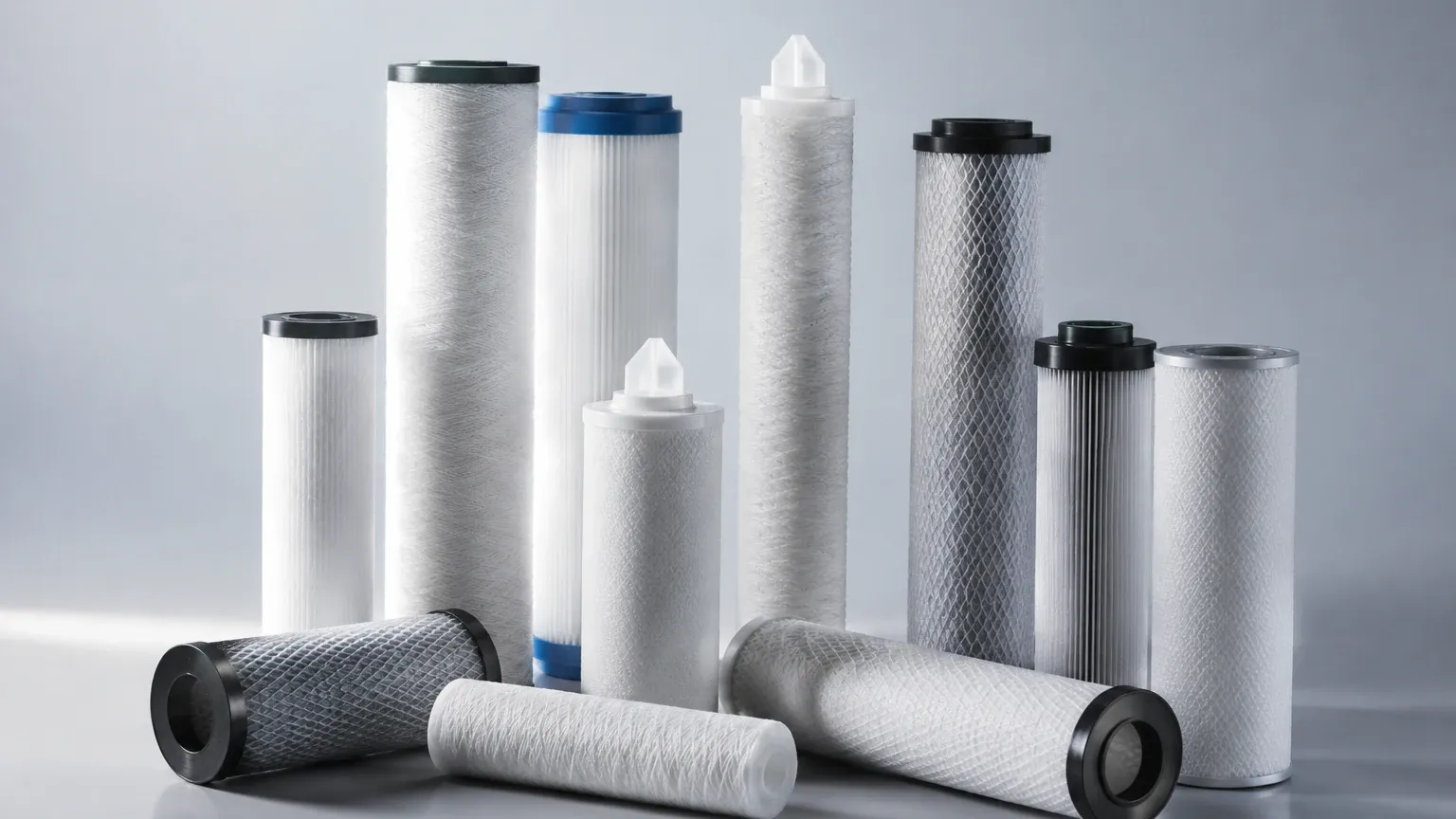
Total Cost of Ownership: Disposable vs. Reusable Filter Cartridges
A critical aspect of B2B procurement is the analysis of the Total Cost of Ownership (TCO). While the initial purchase price of disposable 3m water filter cartridges is relatively low, the long-term costs can be substantial when considering the frequency of replacement, labor costs, and waste disposal fees.
1. Direct Replacement Costs: The recurring expense of purchasing new cartridges.
2. Labor and Downtime: The time required for maintenance personnel to open housings, replace filters, and restart the system. In 24/7 production environments, even short periods of downtime are costly.
3. Disposal Costs: Spent cartridges, especially those contaminated with hazardous materials, may require specialized disposal protocols.
4. Environmental Impact: High-volume usage of disposable plastic filters contributes to the corporate waste stream, which may conflict with sustainability goals.
In contrast, stainless steel Filter Cartridges represent a higher initial capital expenditure (CAPEX) but offer lower operational expenditure (OPEX). Because metal filters can be cleaned via backwashing, ultrasonic cleaning, or chemical baths, they can be reused for hundreds of cycles, effectively reducing the cost-per-liter of filtered fluid over the life of the equipment.
Engineering Best Practices for Selection and Installation
To ensure the successful implementation of a filtration solution, engineers should follow a structured selection process:
* Characterize the Influent: Conduct a water analysis to determine particle size distribution, total suspended solids (TSS), and chemical composition.
* Define Target Effluent Quality: Determine the required purity level based on downstream equipment sensitivity or product specifications.
* Size the System Appropriately: Avoid undersizing the filtration system. A larger filter area results in lower flux rates, which generally improves filtration efficiency and extends cartridge life.
* Consider Housing Compatibility: Ensure that the chosen 3m water filter cartridges or custom metal filters are compatible with existing housing geometries (e.g., Double Open End, Code 7, or 222/226 O-ring configurations).
* Monitor Differential Pressure: Install pressure gauges upstream and downstream of the filter housing. This allows for data-driven maintenance rather than relying on arbitrary calendar-based replacement schedules.
Custom Solutions for Demanding Industrial Environments
While standard 3m water filter cartridges meet the needs of many applications, specialized industrial processes often require customized filtration components. This is particularly true when dealing with non-standard flow paths, unique housing dimensions, or extreme operating parameters. Manufacturers specializing in custom stainless steel filtration, such as Kaifil, work closely with engineering teams to develop bespoke solutions.
Customization options often include:
* Tailored Micron Ratings: Utilizing specific wire mesh weaves or sintered metal fibers to achieve precise filtration targets.
* Advanced Metallurgy: Selection of alloys like Monel or Inconel for highly corrosive environments where standard stainless steel may fail.
* Integrated Structural Supports: Designing internal supports to withstand high differential pressures without deformation.
* Specialized End Fittings: Machining custom adapters to ensure a leak-proof seal in legacy filtration housings.
Conclusion
The selection of water filtration components is a foundational element of industrial process design. Whether utilizing the established performance of 3m water filter cartridges for commercial and light industrial needs or opting for the durability of custom stainless steel Filter Cartridges for heavy-duty applications, the goal remains the same: reliable, efficient, and cost-effective contaminant removal. By evaluating the technical boundaries of each technology—including material compatibility, thermal limits, and total lifecycle costs—engineers can ensure their systems operate at peak performance while minimizing long-term operational risks.
