


60921 Filter Cartridges
In industrial environments where volatile organic compounds (VOCs), acid gases, and fine particulates are prevalent, the selection of filtration media is a critical engineering decision. The 60921 filter cartridges represent a specific class of high-efficiency filtration solutions designed to provide multi-hazard protection. For engineers and procurement specialists, understanding the technical specifications, material compatibility, and operational limits of these cartridges is essential for maintaining process integrity and personnel safety.
Industrial filtration often requires a balance between high capture efficiency and manageable pressure drops. While the 60921 designation is frequently associated with respiratory protection standards—specifically NIOSH-approved organic vapor/acid gas and P100 particulate filtration—the underlying principles of its construction and performance are highly relevant to broader industrial Filter Cartridges applications. This article examines the engineering considerations behind these components and how they fit into a comprehensive industrial filtration strategy.
Understanding the 60921 Specification and Technical Standards
The 60921 filter cartridges are engineered to address a broad spectrum of chemical and particulate hazards. Technically, these cartridges are classified as multi-functional, combining chemical adsorption with mechanical filtration. The "60921" nomenclature typically denotes a cartridge that provides protection against organic vapors, chlorine, hydrogen chloride, sulfur dioxide, chlorine dioxide, hydrogen sulfide, and hydrogen fluoride, while simultaneously offering P100-level particulate filtration.
From an engineering perspective, the chemical protection is achieved through a bed of specially treated activated carbon. The carbon is impregnated with specific reagents to enhance its capacity to adsorb acidic gases. The particulate component, rated at P100, implies a minimum filtration efficiency of 99.97% against both oil-based and non-oil-based aerosols. This dual-layer approach is necessary in environments like chemical processing plants, pharmaceutical manufacturing, and metal refining, where gaseous byproducts and hazardous dust are generated concurrently.
When evaluating these cartridges, technical teams must confirm that the specific chemical concentrations in their facility do not exceed the Maximum Use Concentration (MUC) defined for the cartridge. Furthermore, the shelf life and storage conditions of the activated carbon media must be managed to prevent premature saturation from ambient humidity or trace contaminants.
Performance Evaluation Criteria for Industrial Filtration
Selecting the appropriate 60921 filter cartridges requires a deep dive into performance metrics that go beyond simple compliance. For industrial-scale applications, the following criteria are paramount:
Adsorption Capacity and Breakthrough Time
The service life of the chemical filtration layer is determined by its adsorption capacity. Breakthrough occurs when the concentration of the contaminant on the downstream side of the filter reaches a predefined limit. Engineers must calculate the estimated breakthrough time based on the specific airflow rates and contaminant concentrations of their application. Factors such as temperature and relative humidity significantly impact this capacity; high humidity, for instance, can occupy adsorption sites on the carbon, reducing the cartridge's effectiveness against organic vapors.
Pressure Drop and Airflow Resistance
In any filtration system, the pressure drop (delta P) across the media is a critical factor in energy consumption and system wear. A P100 particulate filter, by its nature, offers higher resistance than lower-rated filters. High-quality 60921 filter cartridges are designed with pleated media to maximize surface area, which helps maintain a lower pressure drop while achieving high efficiency. Monitoring the increase in pressure drop over time is the primary method for determining when the particulate layer is loaded and requires replacement.
Filtration Efficiency and Particle Size Distribution
While the P100 rating guarantees 99.97% efficiency at the most penetrating particle size (MPPS), typically around 0.3 microns, industrial processes may produce a wide range of particle sizes. Understanding the particle size distribution (PSD) of the process exhaust or ambient air helps in determining if a pre-filter is necessary to extend the life of the primary cartridge.
Material Compatibility and Engineering Considerations
The housing and internal components of 60921 filter cartridges must be compatible with the chemicals they are intended to filter. In many industrial settings, standard plastic housings may not offer sufficient durability or chemical resistance, leading to the need for specialized materials.
Chemical Resistance of Housing Materials
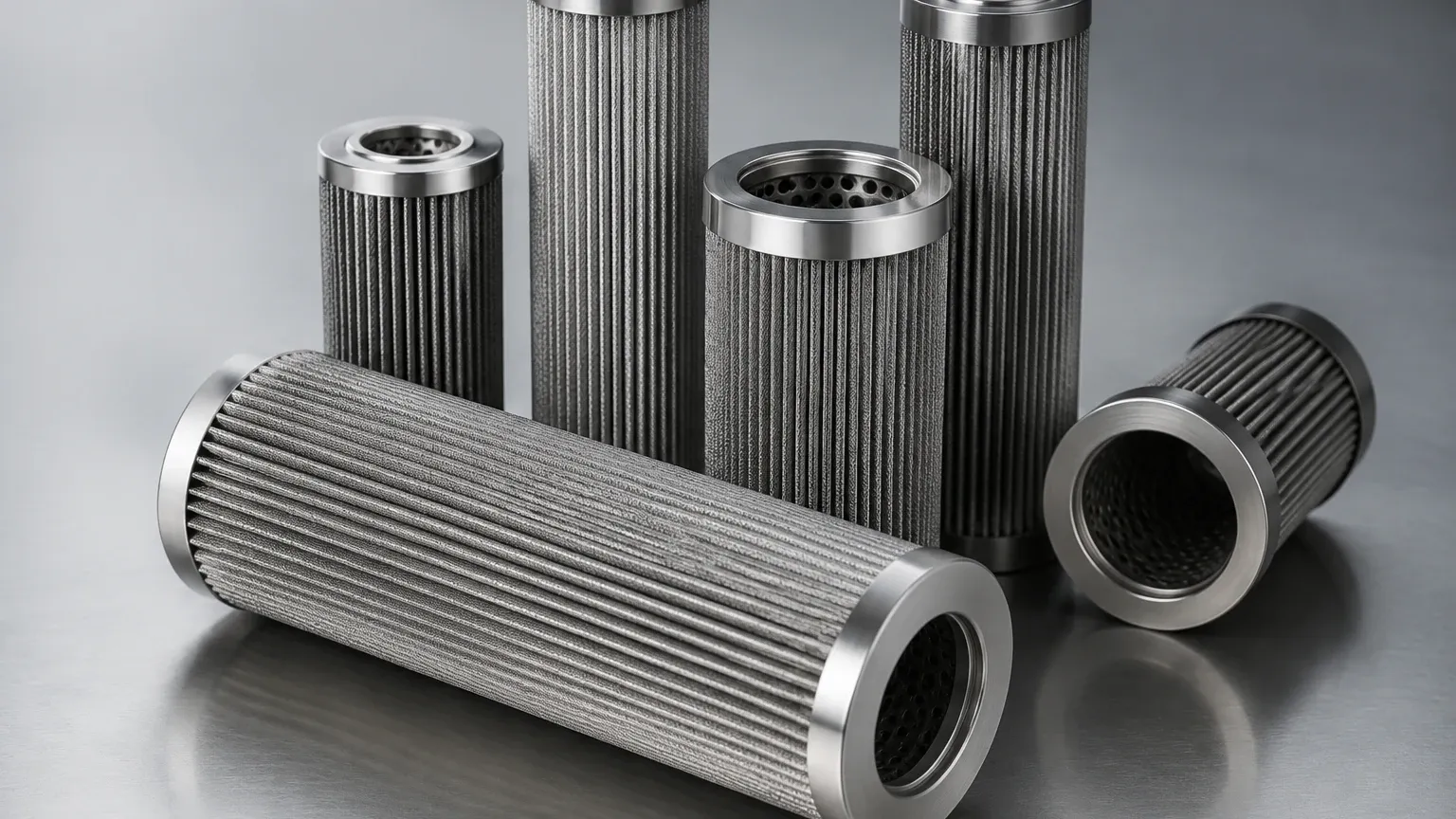
In environments with high concentrations of acid gases or organic solvents, the structural integrity of the cartridge housing is vital. While many commercial cartridges use high-density polymers, heavy-duty industrial applications often utilize stainless steel or reinforced composites for the filter assembly. Stainless steel, particularly 304 or 316L grades, provides superior resistance to corrosion and mechanical stress, ensuring that the filter remains seated and sealed even under fluctuating pressures.
Sealing and Gasket Integrity
A filter is only as effective as its seal. Any bypass—air leaking around the filter media rather than through it—negates the high efficiency of the cartridge. Engineers should specify high-performance gasket materials like EPDM, Viton, or PTFE, depending on the chemical exposure. The interface between the 60921 filter cartridges and the filter housing must be designed to withstand vibration and thermal expansion without compromising the seal.
Customization and OEM Solutions for Specialized Filtration
Many industrial processes do not fit the standard parameters of off-the-shelf filtration products. This is where custom manufacturing and OEM solutions become essential. Companies like Kaifil specialize in developing tailored filtration components that meet specific dimensional and performance requirements.
Tailored Media Configurations
Depending on the specific mix of gases and particulates, the internal composition of the cartridge can be customized. For example, if a process generates an unusually high volume of large particulates alongside acid gases, a custom cartridge might incorporate a graded-density pre-filter layer. This prevents the P100 media from clogging prematurely, thereby extending the overall service life of the unit.
Structural Customization
For integration into specialized machinery or unique ductwork, the physical form factor of the filter may need to be altered. Custom stainless steel mesh supports or perforated metal cores can be engineered to provide the necessary structural rigidity for high-pressure or high-temperature environments where standard 60921 filter cartridges might fail. These custom solutions ensure that the filtration system is optimized for the specific geometry and flow dynamics of the industrial equipment.
Maintenance, Replacement Cycles, and Total Cost of Ownership
Managing a filtration system involves more than just the initial purchase of 60921 filter cartridges. A comprehensive approach to the Total Cost of Ownership (TCO) includes maintenance labor, disposal costs, and the impact of filtration on energy efficiency.
Establishing Replacement Schedules
Unlike particulate filters, which show a clear increase in pressure drop as they clog, chemical adsorption filters do not always provide a physical signal when they are saturated. Therefore, a replacement schedule must be established based on empirical data or mathematical modeling of the breakthrough time. In many jurisdictions, industrial facilities are required to implement a formal cartridge change-out schedule based on the specific contaminants present.
Monitoring and Diagnostics
Advanced industrial filtration systems often incorporate sensors to monitor VOC levels or pressure differentials in real-time. This data-driven approach allows for "just-in-time" replacement, ensuring that cartridges are used to their full capacity without risking breakthrough. For technical teams, this reduces waste and ensures that the system is always operating within safe parameters.
Disposal of Spent Cartridges
Because 60921 filter cartridges capture hazardous chemicals and particulates, the spent units must be handled as hazardous waste. The ease of removal and the volume of the waste generated are important considerations. High-capacity cartridges that last longer can significantly reduce the frequency of hazardous waste handling and the associated costs.
Selecting the Right Filter Cartridge for Demanding Environments
When specifying filtration for a facility, it is important to look at the entire system. The 60921 filter cartridges are a powerful tool, but they are most effective when used as part of a multi-stage filtration strategy. For instance, using a washable stainless steel mesh pre-filter can remove the bulk of heavy particulates, allowing the high-efficiency 60921 media to focus on sub-micron particles and gas-phase contaminants.
Engineers should ask the following questions before finalizing a selection:
1. What is the specific chemical profile? Ensure the cartridge is rated for all gases present.
2. What are the environmental conditions? Extreme temperatures or humidity can drastically alter performance.
3. What are the flow requirements? Ensure the system fan or pump can handle the pressure drop of a P100/chemical combo cartridge.
4. Is customization required? If standard sizes do not fit or if the environment is too harsh for plastic, consider custom metal-housed solutions.
By focusing on these technical and engineering details, procurement and maintenance teams can ensure they are selecting the most reliable and cost-effective filtration solutions for their specific industrial needs. For more information on high-performance industrial filtration components, technical teams can review product options and application support to find the right fit for their systems.
