


Aqua Optima Water Filter Cartridges
In the landscape of water purification, understanding the mechanical and chemical nuances of filtration media is essential for both domestic and industrial applications. Aqua Optima water filter cartridges have established a significant presence in the consumer market, primarily through their multi-stage filtration technology designed to enhance water quality for residential use. However, for engineers and procurement professionals operating in industrial sectors—such as food and beverage, pharmaceutical, and chemical processing—analyzing these consumer-grade components provides a useful baseline for understanding broader filtration principles and the transition toward high-performance industrial Filter Cartridges.
This article examines the technical specifications, filtration mechanisms, and engineering considerations associated with aqua optima water filter cartridges, while contrasting these features with the rigorous demands of industrial-scale filtration systems.
Understanding the Technology Behind Multi-Stage Filtration
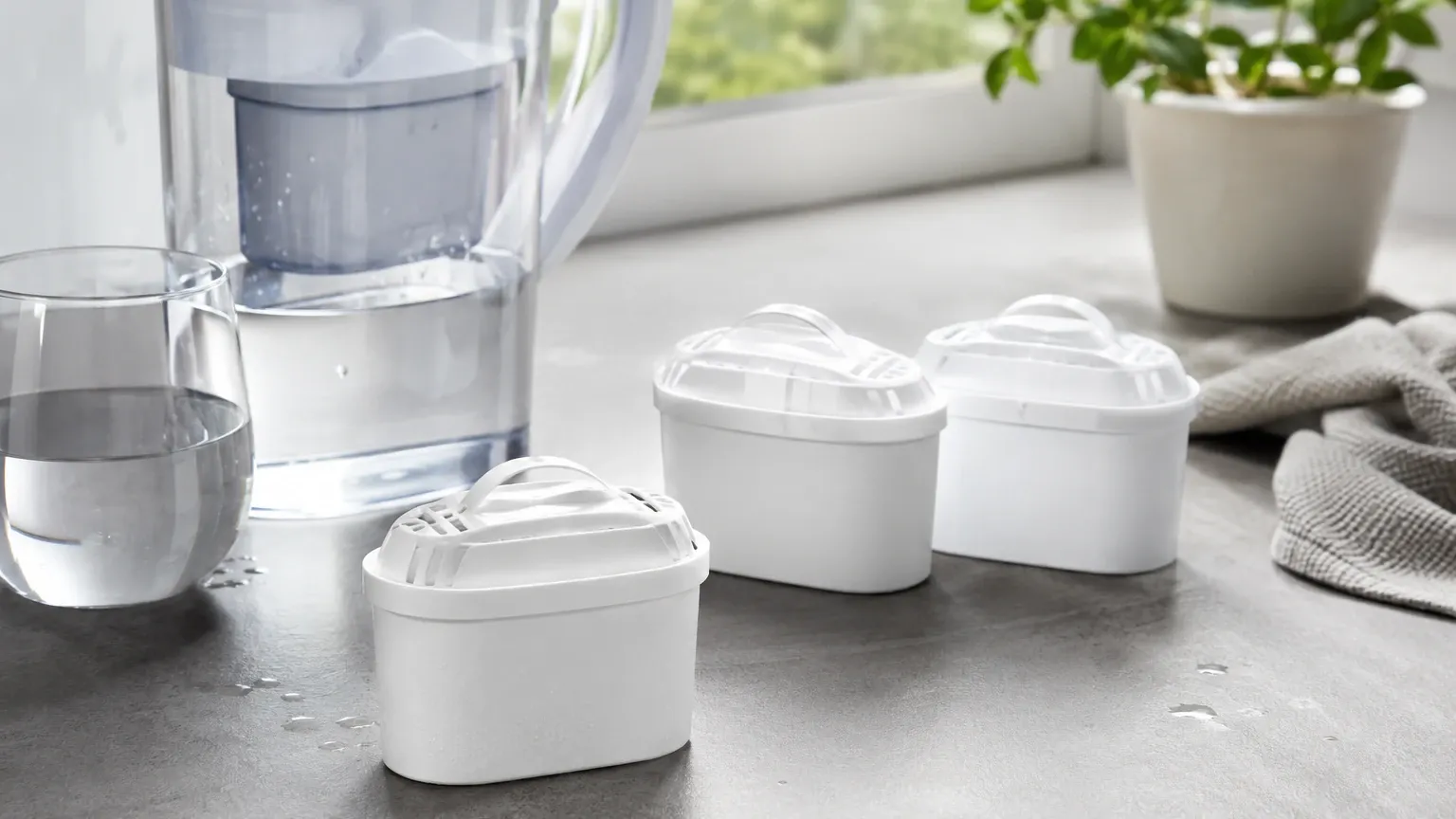
The core functionality of aqua optima water filter cartridges relies on a patented multi-stage filtration process, often referred to as the "Evolve+" system. This design is engineered to address common municipal water contaminants through a combination of physical straining and chemical adsorption.
1. Fine Particle Filtration
At the entry point, a fine mesh layer acts as a primary barrier to capture large sediment and suspended solids. This is a form of surface filtration that prevents the internal media from clogging prematurely, ensuring consistent flow rates throughout the cartridge's service life.
2. Ion Exchange Resin
One of the critical components within these cartridges is the ion exchange resin. This media is specifically targeted at reducing carbonate hardness (limescale) and heavy metals such as lead and copper. In an industrial context, ion exchange is a standard process for boiler feed water and high-purity laboratory water, though industrial systems typically utilize much larger, regenerable resin beds compared to the disposable nature of consumer cartridges.
3. Activated Carbon Adsorption
Aqua Optima utilizes high-quality activated carbon to remove chlorine and organic impurities. The carbon works through adsorption, where contaminants adhere to the vast internal surface area of the carbon particles. This significantly improves the organoleptic properties of the water—specifically taste and odor—which is a primary requirement for food-service applications.
Comparing Consumer and Industrial Filtration Requirements
While aqua optima water filter cartridges excel in domestic environments, industrial applications demand a different set of performance parameters. Engineers must evaluate the trade-offs between disposable plastic cartridges and robust, stainless steel filtration solutions.
Material Integrity and Chemical Compatibility
Consumer cartridges are typically constructed from food-grade polypropylene. While suitable for ambient temperature municipal water, these materials may fail under the high pressures (exceeding 6 bar) or elevated temperatures (above 40°C) often found in industrial bypass lines. In contrast, industrial-grade filter cartridges manufactured from 304 or 316L stainless steel offer the mechanical strength required for high-differential pressure environments and compatibility with aggressive cleaning agents.
Flow Rate and Throughput
Aqua Optima systems are designed for gravity-fed or low-pressure domestic taps, where flow rates are measured in liters per minute. Industrial processes, however, often require hundreds of gallons per hour. When scaling up, engineers must consider the "flux rate" (flow per unit area). If the flux is too high for a given media, the contact time decreases, leading to "breakthrough" where contaminants pass through the filter unabsorbed.
Micron Ratings and Precision
Most consumer water filters do not provide a verified absolute micron rating, focusing instead on general contaminant reduction. Industrial applications require precise control over particle size. Whether it is a 5-micron pre-filter for a reverse osmosis (RO) membrane or a 0.22-micron sterile grade filter for pharmaceutical packaging, the precision of the filter media is paramount to process safety.
Technical Specifications and Performance Metrics
When evaluating aqua optima water filter cartridges or their industrial counterparts, several key performance indicators (KPIs) must be analyzed by technical teams.
| Feature | Aqua Optima (Consumer) | Industrial Stainless Steel Cartridges |
| :— | :— | :— |
| Primary Media | Carbon/Ion Exchange Resin | Sintered Mesh / Pleated Steel |
| Housing Material | Polypropylene | 316L Stainless Steel |
| Pressure Rating | Low (Gravity/Domestic) | High (Up to 20+ Bar) |
| Temperature Limit | Max ~35°C | Up to 300°C+ |
| Maintenance | 30-day replacement | Cleanable/Backwashable |
| Sterilization | Not Applicable | Autoclavable / SIP Compatible |
Total Dissolved Solids (TDS) Management
It is a common misconception that all filter cartridges significantly reduce TDS. Aqua Optima cartridges reduce hardness and specific metals, but they do not remove all dissolved minerals. For industrial processes requiring ultra-pure water (UPW), these cartridges would serve only as a pre-treatment stage before a more intensive deionization or RO process.
Engineering Considerations for Scale-Up and Integration
For engineers looking to integrate filtration into a larger system, the selection of Filter Cartridges involves more than just choosing a brand. The integration process requires a thorough analysis of the fluid dynamics and the chemical nature of the process stream.
Pressure Drop (Delta P)
Every filter cartridge introduces a pressure drop into the system. As the filter captures debris, the Delta P increases. In industrial systems, monitoring this pressure differential is critical for determining the optimal time for maintenance. While consumer systems like Aqua Optima use a simple timer or calendar-based replacement, industrial systems utilize pressure gauges and automated sensors to maximize the utility of each filter element.
Sealing Mechanisms
Leakage or "bypass" is a significant risk in filtration. Consumer cartridges often rely on simple friction fits or basic gaskets. Industrial cartridges utilize standardized sealing configurations, such as Code 7 (double O-ring with bayonet lock) or DOE (Double Open End) with flat gaskets. These ensure that 100% of the fluid passes through the media, which is a non-negotiable requirement in sterile or high-purity environments.
Customization and OEM Solutions
Unlike the standardized shapes of aqua optima water filter cartridges, industrial filtration often requires custom geometries. Manufacturers like Kaifil specialize in developing bespoke stainless steel filter components that fit specific housing dimensions or meet unique flow requirements. This customization allows engineers to optimize the filtration area within a limited footprint, a common challenge in modular skid design.
Maintenance, Replacement Cycles, and Total Cost of Ownership
One of the most significant differences between consumer-grade and industrial-grade filtration is the approach to maintenance and the resulting Total Cost of Ownership (TCO).
The Disposable Model
Aqua Optima cartridges are designed for a 30-day or 100-liter lifecycle. In a high-volume industrial environment, this frequency of replacement would lead to prohibitive operational costs and significant plastic waste. The logistics of storing, replacing, and disposing of thousands of plastic cartridges per year often outweighs the lower initial purchase price.
The Reusable Model
Industrial stainless steel filter cartridges offer a different economic profile. Although the initial capital expenditure (CAPEX) is higher, these filters are often cleanable via ultrasonic baths, back-pulsing, or chemical cleaning. This longevity reduces the operational expenditure (OPEX) over the long term. For applications involving high-solids loading, the ability to clean and reuse the filter media is an essential engineering requirement.
Choosing the Right Filter Cartridges for Industrial Applications
Selecting the appropriate filtration solution requires a deep understanding of the specific application. Engineers should confirm the following data points before finalizing a procurement decision:
1. Fluid Characteristics: What is the viscosity, temperature, and pH of the liquid? This determines the material compatibility (e.g., 304 vs. 316L stainless steel).
2. Contaminant Profile: Are you removing soft organic matter, hard metallic particles, or dissolved chemicals? This dictates the choice between depth filtration and surface filtration.
3. Target Purity: What is the required effluent quality? This determines the necessary micron rating and whether an absolute or nominal filter is required.
4. Operational Flow: What are the minimum and maximum flow rates? This ensures the filter housing and cartridge surface area are sized correctly to avoid excessive pressure drop.
While aqua optima water filter cartridges represent an efficient solution for improving the quality of drinking water at the point of use, they serve as a reminder of the fundamental principles—adsorption, ion exchange, and mechanical straining—that drive the entire filtration industry. For demanding industrial environments, transitioning to high-performance, customized metal Filter Cartridges ensures the durability and precision necessary to maintain process integrity and operational efficiency.
In conclusion, whether managing a small-scale laboratory setup or a massive chemical processing plant, the choice of filter cartridge must be grounded in technical data and a clear understanding of the environmental conditions. By analyzing the mechanisms found in consumer leaders like Aqua Optima and applying those lessons to industrial-grade hardware, engineering teams can achieve optimized filtration performance that meets both quality and budgetary goals.
