


Filter Cartridge 100 Micron
In the landscape of industrial filtration, the 100-micron rating represents a critical threshold. Often serving as the primary line of defense in complex fluid processing systems, a filter cartridge 100 micron is engineered to capture relatively large particulates—such as sand, scale, and metal chips—before they can reach and damage sensitive downstream equipment. For engineers and procurement specialists, selecting the right filtration media at this level is not merely about pore size; it involves a comprehensive evaluation of material compatibility, flow dynamics, and the structural integrity required for specific operating environments.
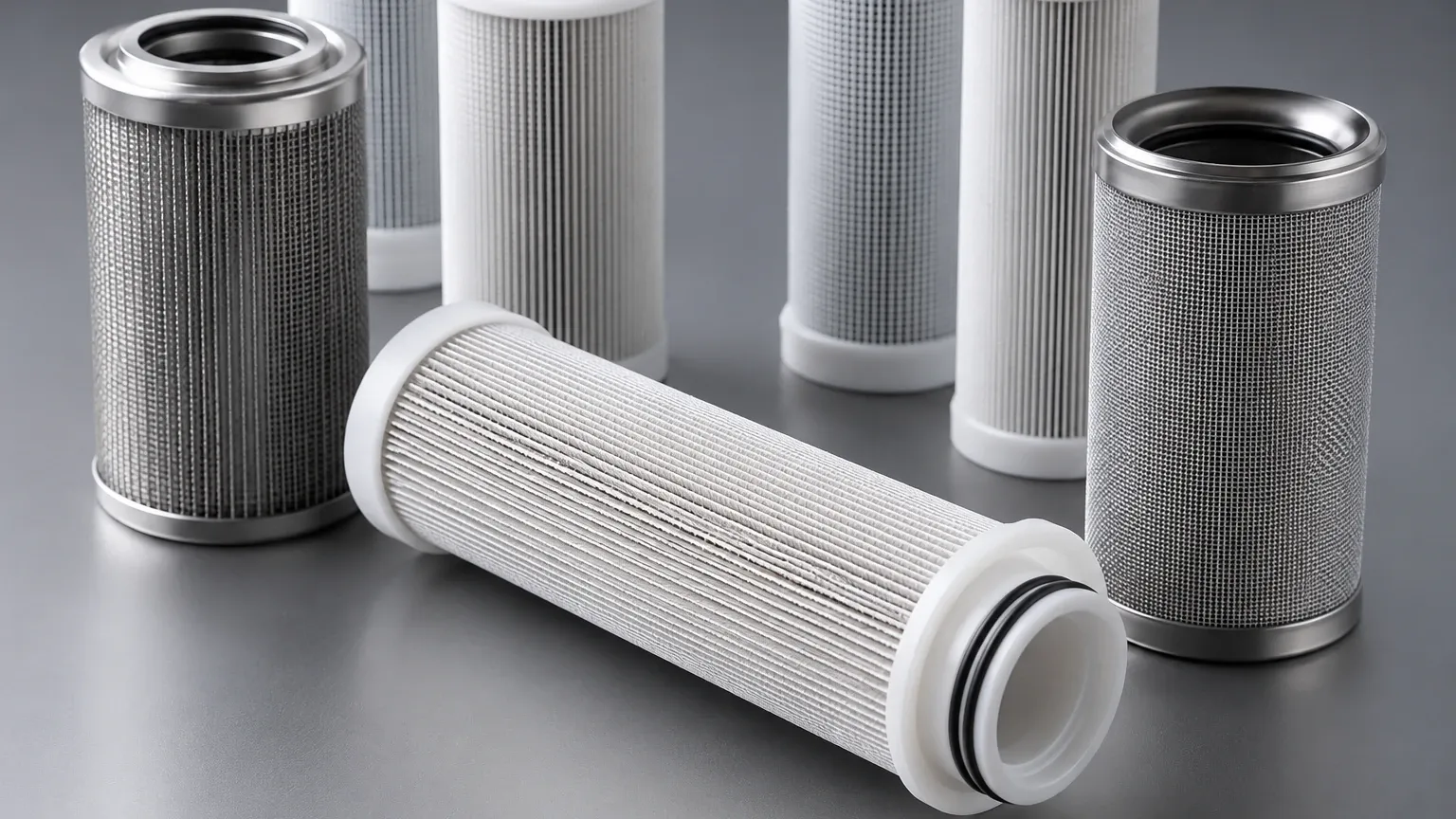
Industrial Filter Cartridges are designed to provide a balance between high flow rates and effective contaminant removal. At 100 microns (0.1 mm), the filtration is coarse enough to prevent rapid clogging in high-solids environments yet fine enough to protect pumps, nozzles, and fine-mesh membranes. Understanding the technical nuances of these components is essential for optimizing system uptime and reducing maintenance overhead.
Understanding the Role of 100-Micron Filtration in Industrial Processes
Filtration at the 100-micron level is typically classified as "medium-to-coarse" filtration. While microscopic particles may pass through, the primary goal is the removal of macro-contaminants. In many industrial circuits, this is the "pre-filter" stage. By removing larger debris, the 100-micron cartridge extends the service life of secondary filters that may have ratings of 10 microns or lower.
From an engineering perspective, the 100-micron rating is significant because it allows for a high open-area ratio, especially when utilizing stainless steel wire mesh. This translates to a lower initial pressure drop across the filter element. In systems where energy efficiency and pump load are primary concerns, utilizing a 100-micron stage ensures that the fluid moves through the system with minimal resistance while still maintaining a baseline of cleanliness.
Common contaminants targeted at this level include:
* Pipe scale and rust flakes from aging infrastructure.
* Sediment and sand in raw water intake systems.
* Metal shavings in hydraulic or machining coolant loops.
* Organic debris in food and beverage processing.
Technical Specifications: Nominal vs. Absolute Ratings
When specifying a filter cartridge 100 micron, it is vital to distinguish between nominal and absolute filtration ratings. This distinction often dictates the success or failure of a filtration strategy in demanding B2B applications.
Nominal Filtration Rating
A nominal rating refers to the ability of the filter to retain a certain percentage (usually between 60% and 90%) of particles of a specific size. For a 100-micron nominal filter, some particles larger than 100 microns may still pass through due to the irregular shape of the pores or the flexibility of the media. These are often used in non-critical applications where the primary goal is general fluid clarification.
Absolute Filtration Rating
An absolute rating implies that the filter will retain 99.9% or more of all particles at the specified micron size. In high-performance stainless steel cartridges, the pore size is precisely controlled through the weaving process of the wire mesh. For critical applications—such as protecting high-pressure spray nozzles or precision valves—an absolute-rated 100-micron cartridge is the standard choice to ensure no oversized debris bypasses the media.
Material Engineering: Why Stainless Steel Excels at 100 Microns
While 100-micron filters are available in various materials, including polypropylene and polyester, stainless steel (specifically Grades 304 and 316L) remains the preferred choice for industrial environments. Kaifil specializes in the manufacture of stainless steel filter elements because they offer several mechanical advantages that polymers cannot match.
Durability and High Pressure
Stainless steel mesh can withstand significantly higher differential pressures than synthetic media. In hydraulic systems or high-viscosity chemical processing, the structural rigidity of a metal cartridge prevents the media from collapsing or "unloading" captured contaminants back into the stream when pressure spikes occur.
Thermal Resistance
Many industrial processes operate at temperatures exceeding the melting points of standard plastic filters. Stainless steel 100-micron cartridges can operate effectively in environments ranging from cryogenic temperatures to several hundred degrees Celsius, making them indispensable in steam filtration and hot oil processing.
Chemical Compatibility
Stainless steel 316L offers superior resistance to corrosion and chemical attack. This is particularly relevant in the chemical and pharmaceutical industries, where the fluid being filtered may be acidic or alkaline. Unlike disposable filters, stainless steel does not leach surfactants or binders into the process fluid, maintaining high levels of purity.
Hydraulic Performance and Pressure Drop Considerations
One of the most critical factors in filter selection is the "Delta P" ($ΔP$) or pressure drop. Every filter introduces a restriction to the flow. For a filter cartridge 100 micron, the goal is to maximize the dirt-holding capacity while minimizing the energy required to push fluid through the media.
Several factors influence the pressure drop:
1. Viscosity of the Fluid: Higher viscosity fluids (like heavy oils) require more pressure to pass through the 100-micron openings compared to water-like fluids.
2. Flow Velocity: As the flow rate increases, the pressure drop increases exponentially. Engineers must size the filter housing and the number of cartridges to ensure that the velocity through the mesh remains within recommended limits.
3. Contaminant Loading: As the 100-micron pores capture debris, the available open area decreases, leading to a rise in differential pressure. Monitoring this rise is the primary method for determining when a filter needs cleaning or replacement.
By using precision-woven wire mesh, Kaifil ensures a consistent and predictable pressure drop profile, allowing engineers to design systems with accurate safety margins.
Applications and Industry Use Cases
The versatility of the 100-micron rating allows it to be used across a broad spectrum of industries. Each application has unique requirements regarding housing compatibility and seal materials.
Water Treatment and Desalination
In water treatment plants, 100-micron cartridges are used to protect sensitive reverse osmosis (RO) membranes from large suspended solids. By removing silt and sand at the intake, these cartridges prevent physical abrasion of the membranes, significantly lowering the total cost of ownership for the facility.
Food and Beverage Production
Stainless steel 100-micron filters are widely used for the filtration of syrups, juices, and oils. Because they are made from food-grade materials and can be easily sterilized (CIP – Clean-in-Place), they meet the stringent hygiene standards required in this sector. They are effective at removing pulp or undissolved ingredients without stripping the fluid of its essential characteristics.
Chemical and Petrochemical Processing
In the production of resins, polymers, and specialty chemicals, 100-micron filtration ensures that the final product is free of solidified "gels" or external contaminants. The ability of stainless steel to handle aggressive solvents makes it the only viable option for many of these processes.
Hydraulic and Lube Oil Systems
Large-scale industrial machinery relies on clean oil to prevent wear on bearings and gears. A 100-micron suction filter or return-line filter captures wear particles and environmental dust, preventing the breakdown of the lubricating film.
Maintenance, Cleaning, and Total Cost of Ownership
A significant advantage of choosing a stainless steel filter cartridge 100 micron is its reusability. While disposable melt-blown or pleated paper filters have a lower initial purchase price, the long-term costs of replacement, disposal, and downtime can be substantial.
Cleaning Methods for Stainless Steel
Because the 100-micron mesh is mechanically robust, it can be cleaned using several methods:
* Backwashing: Reversing the flow of fluid to dislodge particles from the surface of the mesh.
* Ultrasonic Cleaning: Using high-frequency sound waves in a cleaning solvent to remove fine particles lodged deep within the weave.
* Chemical Cleaning: Using compatible acids or bases to dissolve organic or mineral deposits.
* High-Pressure Spray: Manually washing the exterior of the cartridge to remove heavy cake buildup.
When properly maintained, a stainless steel cartridge can last for years, making it a more sustainable and cost-effective solution for permanent industrial installations.
Customization Parameters for OEM Filter Cartridges
Not every system can use a standard off-the-shelf filter. As a professional manufacturer, Kaifil provides extensive customization options for Filter Cartridges to meet specific engineering challenges.
When ordering a customized 100-micron solution, the following parameters should be confirmed:
1. Dimensions: Outside diameter (OD), inside diameter (ID), and overall length. Standard lengths like 10", 20", and 30" are common, but custom lengths are often required for specialized housings.
2. End Cap Configuration: Options include Double Open End (DOE), Single Open End (SOE) with various configurations like 222 or 226 O-rings, and threaded connections (NPT/BSP).
3. Support Core: For high-pressure applications, an internal perforated core is added to provide the necessary collapse strength.
4. Seal Materials: Choosing the right O-ring material (Buna-N, Viton, EPDM, or PTFE) is crucial for chemical compatibility and temperature resistance.
5. Mesh Structure: Depending on the particle type, a plain weave, Dutch weave, or pleated mesh design may be selected to optimize surface area and dirt-holding capacity.
Conclusion: Selecting the Right 100-Micron Solution
Selecting a filter cartridge 100 micron involves more than just picking a size; it is an engineering decision that impacts the efficiency and reliability of an entire production line. By focusing on high-quality materials like stainless steel and understanding the hydraulic demands of the application, technical teams can ensure optimal performance.
Whether the goal is to protect downstream equipment, ensure product purity, or reduce the frequency of filter changes, a well-engineered 100-micron cartridge is a vital component. At Kaifil, we combine manufacturing expertise with deep technical knowledge to deliver filtration solutions that stand up to the most demanding industrial environments. For those seeking to optimize their filtration processes, reviewing the available material options and structural designs is the first step toward achieving long-term operational success.
