


Filter Cartridge Bestway
In the realm of liquid filtration, the term "filter cartridge bestway" is frequently associated with residential and light commercial pool and spa maintenance. However, as industrial processes scale and technical requirements become more stringent, engineers and facility managers often find that standard consumer-grade filtration solutions reach their physical and chemical limits. For industrial applications—ranging from chemical processing to food and beverage production—the transition from disposable synthetic media to high-performance stainless steel Filter Cartridges is a critical step in ensuring system reliability and process efficiency.
Understanding the distinction between consumer-level equipment and industrial-grade filtration components is essential for technical professionals. While a filter cartridge bestway model may suffice for low-pressure, ambient-temperature water circulation in a recreational setting, industrial environments demand materials that can withstand corrosive chemicals, extreme temperatures, and high differential pressures. This guide explores the engineering considerations involved in selecting and upgrading filtration systems for demanding B2B applications.
Understanding the Limitations of Standard Filter Cartridges
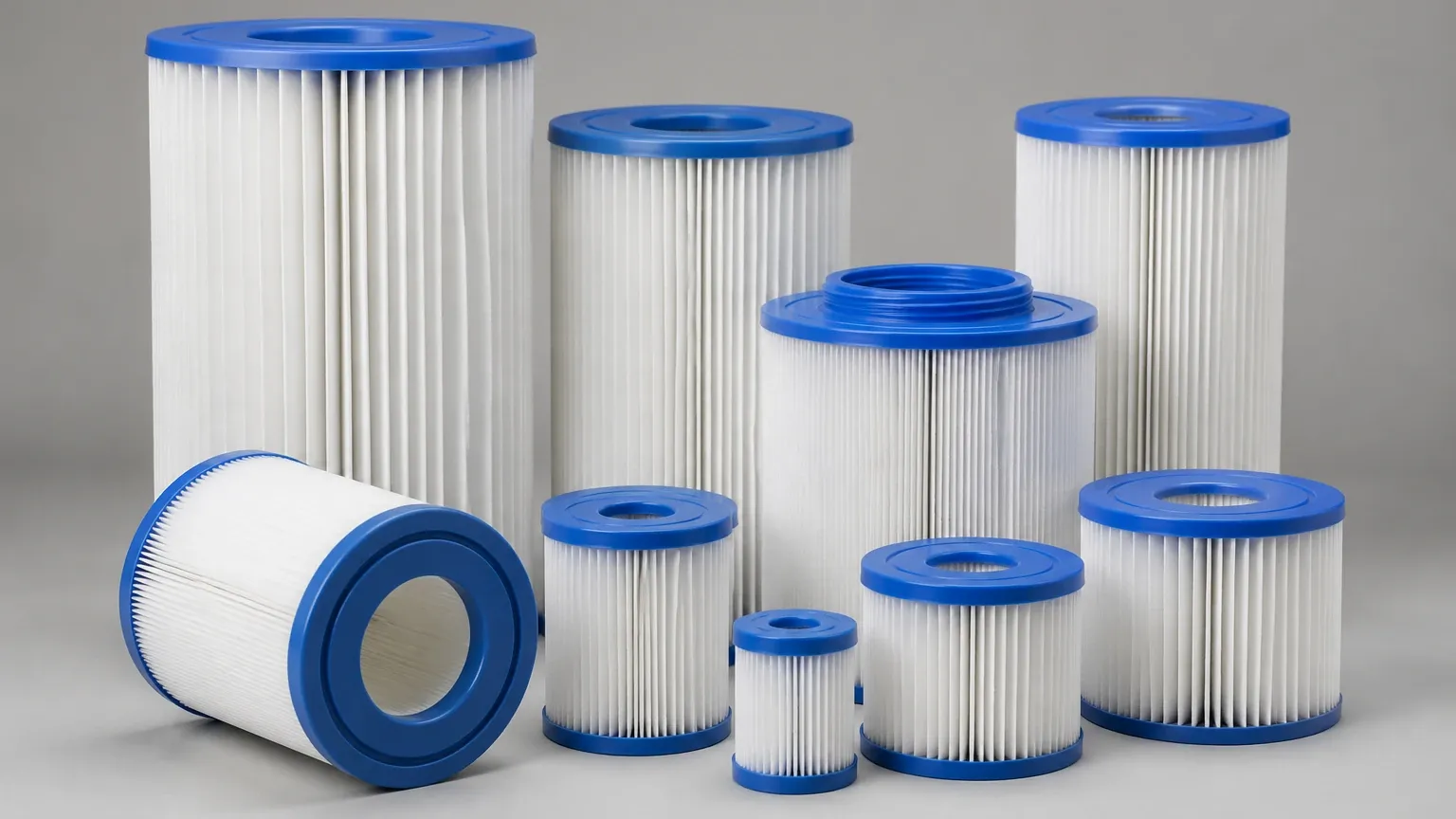
Standard filter cartridges, such as those found in the filter cartridge bestway category, are typically constructed from pleated polyester or cellulose media with plastic end caps. These materials are chosen for their cost-effectiveness in low-intensity environments. However, in an industrial context, several factors render these materials unsuitable:
1. Temperature Sensitivity: Synthetic polymers and adhesives used in standard cartridges often degrade at temperatures exceeding 60°C (140°F). Industrial processes frequently operate at much higher temperatures, necessitating the use of 304 or 316L stainless steel.
2. Chemical Compatibility: Many industrial fluids contain solvents, acids, or alkalis that would dissolve or swell polyester media. Stainless steel provides broad-spectrum chemical resistance, ensuring the integrity of the filter throughout its service life.
3. Structural Integrity: Under high-pressure conditions or during sudden pressure surges (water hammer), plastic-core cartridges can collapse. Industrial metal cartridges are engineered with perforated inner cores and outer guards to maintain their shape under significant mechanical stress.
4. Disposability vs. Sustainability: A filter cartridge bestway unit is generally designed to be disposed of once clogged. In a high-volume industrial plant, the cost of replacement filters and the environmental impact of the resulting waste stream can be prohibitive. Stainless steel cartridges offer a reusable alternative through ultrasonic cleaning or backwashing.
Engineering Advantages of Stainless Steel Filter Cartridges
When upgrading from basic filtration to industrial-grade solutions, the primary focus shifts to precision and durability. Stainless steel wire mesh and sintered metal cartridges provide several technical advantages that standard consumer units cannot match.
Precise Micron Ratings
In industrial filtration, the difference between 5 microns and 10 microns can be the difference between a successful batch and a contaminated product. Metal filter cartridges utilize precision-woven wire mesh or sintered metal fibers to provide consistent pore sizes. Unlike fabric or paper media, which can stretch or "unload" trapped particles under pressure, metal media remains rigid, ensuring that the filtration efficiency remains constant throughout the cycle.
High Flow Rates and Low Pressure Drop
Efficiency in a pumping system is directly related to the pressure drop (ΔP) across the filter. Industrial stainless steel cartridges are designed to maximize the effective filtration area through advanced pleating techniques. This results in a lower initial pressure drop, allowing pumps to operate more efficiently and reducing energy consumption compared to denser, less porous synthetic alternatives.
Cleanability and Longevity
One of the most significant advantages of moving beyond the filter cartridge bestway paradigm is the ability to clean and reuse the filter. Stainless steel cartridges can be cleaned using various methods, including:
* Backpulsing/Backwashing: Reversing the flow to dislodge surface cake.
* Ultrasonic Cleaning: Using high-frequency sound waves in a solvent bath to remove fine particles from deep within the mesh.
* Chemical Cleaning: Using caustic or acidic solutions to dissolve organic or mineral buildup without damaging the filter media.
Key Evaluation Criteria for Industrial Filter Selection
For engineers tasked with specifying filtration components, the selection process involves more than just matching dimensions. To ensure optimal performance, the following criteria must be confirmed before procurement:
1. Fluid Characteristics
Before selecting a cartridge, the viscosity, density, and chemical composition of the fluid must be analyzed. Highly viscous fluids require larger surface areas and potentially coarser mesh to prevent rapid clogging. If the fluid is food-grade or pharmaceutical, the filter must be manufactured from FDA-compliant materials with appropriate surface finishes (e.g., electropolishing).
2. Operating Conditions
Confirm the maximum operating pressure and temperature. In hydraulic systems or high-pressure chemical lines, the filter must be rated for the peak pressure, not just the average operating pressure. Additionally, consider whether the process involves thermal cycling, which can cause fatigue in poorly constructed filters.
3. Filtration Goal: Absolute vs. Nominal
A common point of confusion in the filter cartridge bestway market is the micron rating. Many consumer filters use "nominal" ratings, meaning they catch a certain percentage of particles at that size. Industrial applications often require "absolute" ratings, where the filter is guaranteed to capture 99.9% of particles at the specified micron level. Specifying the required Beta ratio (β) is standard practice for critical industrial applications.
4. Housing Compatibility
When replacing a standard cartridge, it is vital to ensure the end-cap configuration matches the existing housing. Common configurations include Double Open End (DOE), Code 7 (226 O-ring with bayonet lock), and NPT/BSP threaded connections. Custom manufacturers like Kaifil can produce stainless steel cartridges that retrofit into housings originally designed for synthetic filters, allowing for a seamless upgrade.
Common Risks in Industrial Filtration Procurement
Choosing the wrong filtration solution can lead to significant operational risks. While a low-cost filter cartridge bestway might seem attractive for a budget-conscious project, the "total cost of ownership" often tells a different story. Potential risks include:
* Media Migration: In low-quality filters, fibers from the filter media itself can break off and enter the downstream fluid, contaminating the final product.
* Bypass Leaks: If the seals or end caps are not precision-engineered, fluid may bypass the filter media entirely, leading to unfiltered contaminants reaching sensitive equipment like spray nozzles or heat exchangers.
* Frequent Downtime: Disposable filters that clog quickly require frequent system shutdowns for replacement. In a 24/7 manufacturing environment, the labor cost and lost production time far outweigh the initial savings of a cheaper filter.
Customization and OEM Solutions
In many B2B scenarios, an off-the-shelf filter cartridge is insufficient. Industrial applications often require specific modifications to meet unique process demands. This is where working with a specialized manufacturer becomes invaluable. Customization options typically include:
* Variable Layering: Combining different mesh sizes (e.g., a coarse outer layer for pre-filtration and a fine inner layer for final polishing) within a single cartridge.
* Reinforced Cores: Adding heavy-duty internal support for high-viscosity or high-pressure applications.
* Bespoke Dimensions: Manufacturing cartridges to non-standard lengths or diameters to fit proprietary machinery.
* Material Upgrades: Utilizing exotic alloys like Hastelloy or Monel for environments where even 316L stainless steel might succumb to corrosion.
Maintenance and Total Cost of Ownership (TCO)
For purchasing teams, the transition from a disposable filter cartridge bestway approach to a permanent stainless steel solution is often justified by a TCO analysis. While the initial capital expenditure for a stainless steel cartridge is higher, the elimination of recurring purchase costs, reduced disposal fees, and decreased labor for filter changes typically result in a return on investment (ROI) within 6 to 18 months, depending on the process intensity.
Regular maintenance is the key to extending the life of industrial metal filters. Implementing a differential pressure monitoring system allows operators to clean the filters at the optimal time—before the pressure drop becomes high enough to risk media deformation or pump strain.
Conclusion
While the search for a "filter cartridge bestway" may begin with simple water filtration needs, industrial professionals must look toward more robust, engineered solutions to protect their equipment and product quality. Stainless steel Filter Cartridges provide the durability, thermal resistance, and precision required for modern manufacturing. By focusing on material compatibility, absolute filtration ratings, and cleanability, engineers can implement filtration systems that offer long-term reliability and superior performance in the most demanding environments.
