


Filter Cartridge Uf Membrane
In the landscape of industrial liquid separation, the filter cartridge uf membrane (Ultrafiltration) represents a critical technology for achieving high-purity results. Positioned between microfiltration and nanofiltration, ultrafiltration utilizes a semi-permeable membrane to remove suspended solids, bacteria, viruses, and high-molecular-weight proteins from a process stream. For engineers and procurement specialists, understanding the technical nuances of these components is essential for optimizing system performance, reducing downtime, and ensuring the longevity of downstream equipment.
Industrial filtration systems often rely on a multi-stage approach where coarse filtration protects more sensitive membrane stages. While stainless steel wire mesh filters are excellent for removing larger particulates, the filter cartridge uf membrane provides the precision necessary for molecular-level separation. This guide explores the engineering specifications, application considerations, and selection criteria for UF membrane cartridges within industrial environments.
Understanding the Mechanics of Ultrafiltration Membranes
Ultrafiltration is a pressure-driven process. The "filter cartridge uf membrane" operates by excluding particles based on size and, to a lesser extent, charge. The pore sizes typically range from 0.01 to 0.1 micrometers (μm). In industrial terminology, these membranes are often rated by their Molecular Weight Cut-Off (MWCO), which refers to the molecular weight of a solute where 90% of the solute is retained by the membrane. MWCO values for UF membranes generally range from 1,000 to 500,000 Daltons.
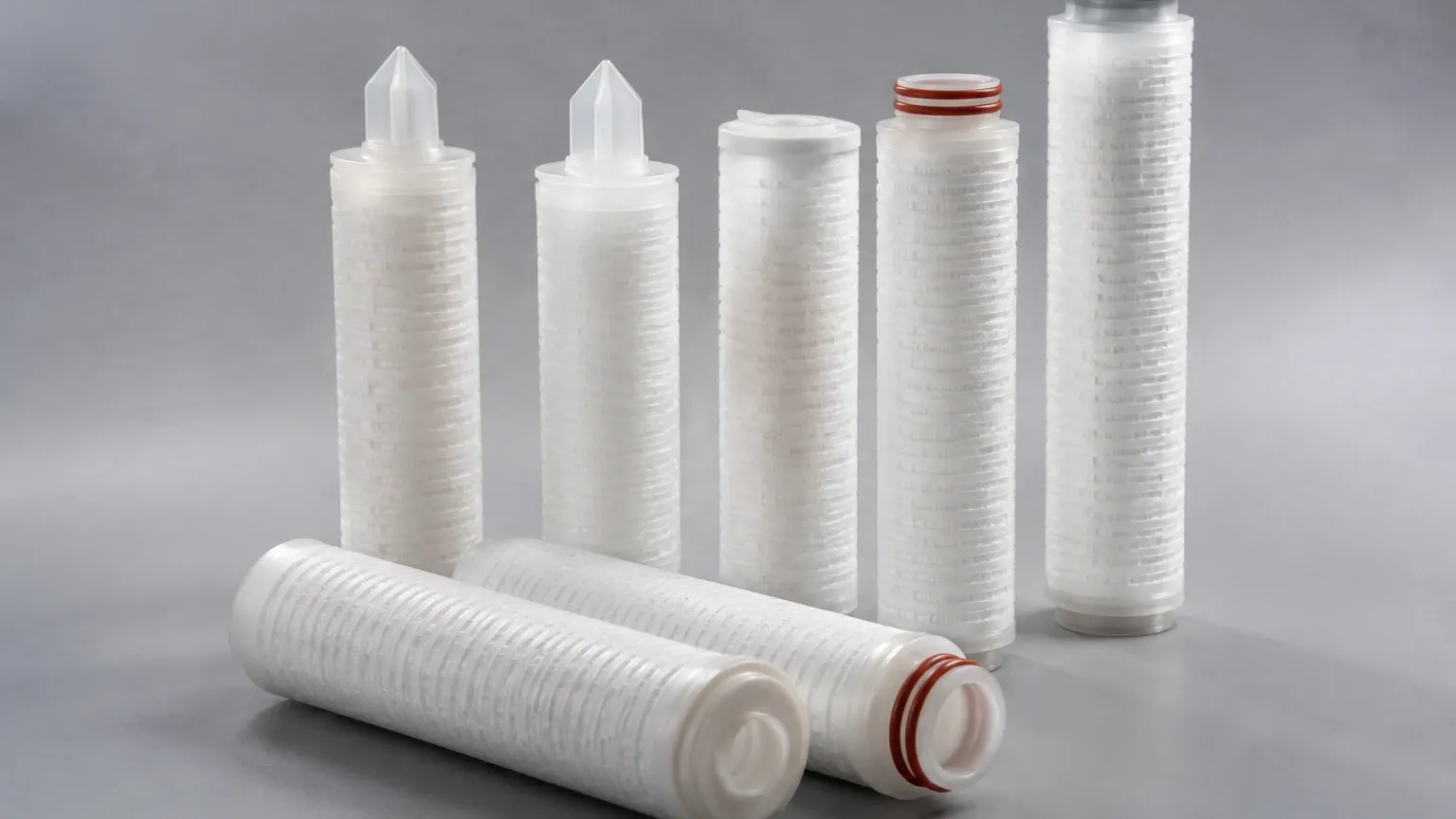
The physical structure of the membrane is usually asymmetric. It consists of a very thin, dense "skin" layer that performs the actual separation, supported by a thicker, more porous substructure that provides mechanical strength without significantly increasing resistance to flow. When integrated into Filter Cartridges, these membranes are typically configured in a hollow fiber or spiral-wound format to maximize the available surface area within a compact footprint.
Material Science in UF Membrane Construction
The chemical and thermal stability of a filter cartridge uf membrane is dictated by its base polymer. Selecting the correct material is the first step in ensuring compatibility with the process fluid. Common materials include:
* Polyethersulfone (PES): Known for high flux rates and a wide pH tolerance (typically pH 2-12). PES is widely used in water treatment and biotechnological applications due to its low protein binding characteristics.
* Polyvinylidene Fluoride (PVDF): Offers exceptional chemical resistance, particularly to oxidizing agents like chlorine. PVDF is often preferred in applications requiring aggressive chemical cleaning or where high temperatures are present.
* Polyacrylonitrile (PAN): Highly hydrophilic, which helps in resisting organic fouling. It is frequently used in oily wastewater treatment and food processing.
* Ceramic Membranes: While less common in standard cartridge formats, ceramic UF membranes are utilized in extreme environments where polymeric membranes would fail due to solvent exposure or extreme heat.
For B2B buyers, the choice of material must be balanced against the total cost of ownership, including the frequency of chemical cleanings and the expected lifespan of the cartridge under specific operating conditions.
Engineering Considerations: Flux, Pressure, and Fouling
When designing or retrofitting a filtration system, engineers must evaluate three primary performance metrics: flux, transmembrane pressure (TMP), and fouling rate.
Flux and Permeate Yield
Flux is the rate at which the permeate (the filtered liquid) passes through the membrane per unit area, usually measured in Liters per Square Meter per Hour (LMH). Higher flux rates allow for smaller system footprints but may lead to faster fouling if the feed water quality is poor. Maintaining a stable flux is the primary goal of any UF system operator.
Transmembrane Pressure (TMP)
TMP is the pressure gradient required to force the liquid through the membrane. As a filter cartridge uf membrane accumulates particles on its surface or within its pores, the TMP will rise. Monitoring this pressure differential is critical; a sudden spike often indicates severe fouling or a breakthrough in the membrane structure.
Fouling Management
Fouling is the accumulation of rejected constituents on the membrane surface. It can be reversible (removed by backwashing) or irreversible (requiring chemical cleaning). In industrial settings, pre-filtration is the most effective way to manage fouling. Utilizing stainless steel wire mesh or pleated depth filters upstream of the UF stage can significantly extend the life of the more expensive UF cartridges by removing the bulk of the suspended solids.
Integration into Industrial Filtration Systems
A filter cartridge uf membrane is only as effective as the housing and system architecture supporting it. In heavy-duty industrial applications, such as chemical processing or pharmaceutical manufacturing, the cartridge must be seated in a high-precision stainless steel housing. These housings must ensure a bypass-free seal, typically achieved through specialized O-ring configurations (such as Code 7 or 226 fittings).
Because UF membranes are sensitive to pressure surges and hydraulic shock, the system design should include soft-start pumps and automated valves to manage flow transitions. Furthermore, the housing must be designed to facilitate easy access for cartridge replacement and to withstand the pressures required for Back-Pulse or Clean-in-Place (CIP) cycles.
Key Applications for UF Membrane Cartridges
The versatility of the filter cartridge uf membrane makes it a staple in several high-stakes industries:
1. Process Water Treatment: Removing colloidal silica, silt, and organic matter from boiler feed water or cooling towers to prevent scaling and corrosion.
2. Food and Beverage: Clarification of juices, concentration of whey proteins in dairy processing, and removal of microorganisms without the use of heat, which preserves flavor profiles.
3. Pharmaceuticals: Pyrogen removal and the concentration of active pharmaceutical ingredients (APIs). The high precision of UF ensures that sensitive biological molecules are not damaged during separation.
4. Wastewater Recovery: In Zero Liquid Discharge (ZLD) systems, UF cartridges serve as a pre-treatment for Reverse Osmosis (RO), protecting the RO membranes from organic fouling and biological growth.
Selection Criteria: What Engineers Should Confirm
Before finalizing a purchase for a filter cartridge uf membrane, technical teams should confirm the following parameters with their manufacturer or supplier:
* Chemical Compatibility: Does the membrane material and the cartridge potting material (the resin holding the fibers) withstand the specific chemicals in the process stream?
* Temperature Limits: What is the maximum continuous operating temperature? Many polymeric membranes lose structural integrity above 45-60°C.
* Sterilization Requirements: If the application is in the food or pharma sector, can the cartridge withstand steam sterilization or hot water sanitization?
* Standardization: Does the cartridge fit into standard industrial housings, or is it a proprietary design that limits future sourcing options?
* Testing and Certification: For regulated industries, are the materials FDA-compliant or NSF-certified?
Maintenance and Replacement Cycles
The lifespan of a filter cartridge uf membrane varies significantly based on the application. In clean water applications, a cartridge might last 12 to 24 months. In high-load industrial wastewater, the lifespan may be reduced to 6 months.
Performance degradation is typically signaled by a 15-20% decrease in normalized flux or a corresponding increase in TMP that cannot be recovered through standard cleaning protocols. Implementing a rigorous monitoring schedule allows for predictive maintenance, preventing unplanned shutdowns. It is also advisable to keep a record of the cleaning chemicals used, as over-exposure to harsh acids or bases can prematurely age the membrane polymer, leading to brittleness and fiber breakage.
Conclusion: Optimizing Filtration Performance
The filter cartridge uf membrane is a sophisticated tool that requires precise engineering and a clear understanding of the process fluid's characteristics. By selecting the appropriate membrane material, ensuring robust pre-filtration, and utilizing high-quality stainless steel housings, industrial facilities can achieve exceptional separation efficiency.
Whether the goal is to protect downstream equipment or to ensure the purity of a final product, the integration of advanced UF technology is a proven strategy for operational excellence. For customized solutions that require specific filtration accuracies or unique cartridge configurations, working closely with a manufacturer that understands both the membrane science and the mechanical requirements of industrial housings is the most reliable path to success.
