


Filter Cartridge Vesda
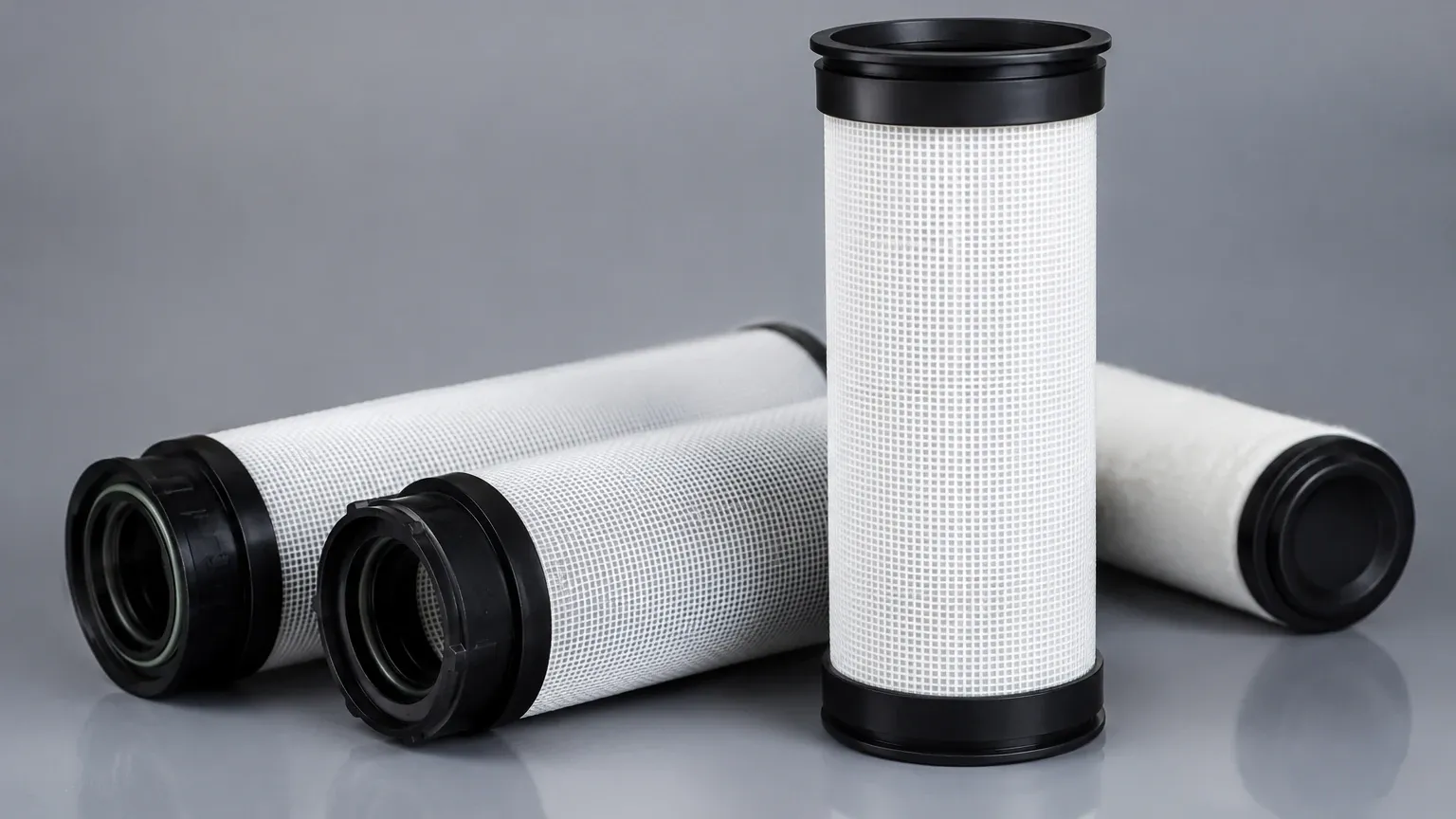
In the realm of high-sensitivity fire detection, Aspirating Smoke Detection (ASD) systems represent the pinnacle of early warning technology. Central to the operation of these systems, particularly the VESDA (Very Early Smoke Detection Apparatus) range, is the filtration assembly. The filter cartridge vesda is not merely a consumable component; it is a precision-engineered barrier designed to protect sensitive optical chambers from environmental contaminants while ensuring that smoke particles reach the sensor unimpeded. For engineers and facility managers operating in industrial, data center, or cleanroom environments, understanding the technical nuances of these Filter Cartridges is essential for maintaining system integrity and minimizing total cost of ownership.
The Role of Filtration in Aspirating Smoke Detection
Aspirating smoke detectors work by continuously drawing air from the protected area through a network of sampling pipes. This air is then passed through a detection chamber where laser-based light scattering technology identifies the presence of smoke. However, the air in industrial environments is rarely pure. It contains dust, lint, moisture, and other particulate matter that can interfere with the optical sensors.
The filter cartridge vesda serves a dual purpose. First, it acts as a primary defense mechanism, removing large dust and debris that could clog the internal manifold or damage the aspirator (the fan that pulls the air). Second, it performs a critical "fine" filtration stage. This stage is designed to allow microscopic smoke particles—typically in the range of 0.3 to 1.0 microns—to pass through to the laser chamber while capturing larger non-smoke particles that could cause false alarms.
Without effective filtration, the detection chamber would quickly become fouled. This leads to "drift" in the detector's calibration, requiring frequent recalibration or, in worst-case scenarios, the complete replacement of the expensive optical block. Therefore, the engineering of the filter media must balance high capture efficiency for contaminants with low resistance to airflow.
Technical Specifications and Engineering Considerations
When evaluating a filter cartridge vesda for industrial applications, several engineering parameters must be considered to ensure the system operates within its designed performance envelope.
Micron Rating and Efficiency
Most industrial-grade ASD filters utilize a multi-stage filtration approach. The first stage typically addresses particles larger than 20 microns. The second stage is far more critical, often employing a pleated media designed to capture particles that could interfere with light scattering. The challenge for manufacturers is ensuring the micron rating is tight enough to protect the optics but open enough to prevent the "filtering out" of the very smoke particles the system is designed to detect.
Pressure Drop (ΔP)
In fluid dynamics, the pressure drop across a filter medium is a critical variable. For an aspirating system, an excessive pressure drop (high resistance) forces the aspirator to work harder, increasing power consumption and potentially reducing the lifespan of the motor. Furthermore, a significant change in ΔP can alter the transport time—the time it takes for smoke to travel from the furthest sampling hole to the detector. Engineers must ensure that replacement Filter Cartridges maintain the original flow characteristics to keep the system compliant with local fire codes (such as NFPA 72 or EN 54-20).
Media Integrity and Outgassing
In sensitive environments like semiconductor cleanrooms or data centers, the materials used in the filter cartridge must be chemically stable. Inferior filter media can undergo "outgassing," where volatile organic compounds (VOCs) are released from the adhesives or synthetic fibers. These gases can condense on the laser lenses, causing permanent damage and system failure. High-quality cartridges use medical-grade or high-purity synthetic fibers to eliminate this risk.
Material Selection for Harsh Industrial Environments
While standard ASD filter cartridges are often housed in plastic casings with synthetic fiber media, certain industrial applications demand more robust solutions. In sectors such as chemical processing, power generation, or heavy manufacturing, the air sampling lines may be exposed to conditions that challenge standard components.
High-Temperature Sampling
In environments where the sampled air exceeds the glass transition temperature of standard plastics, specialized filter housings are required. While the detector itself is usually located in a temperature-controlled area, the primary filtration stage may need to withstand significant thermal loads. In these instances, stainless steel mesh or sintered metal components may be integrated into the pre-filtration assembly to cool the air and remove heavy particulates before they reach the main unit.
Corrosive Atmospheres
In facilities dealing with acidic or alkaline vapors, standard filter media can degrade rapidly. The structural integrity of the filter cartridge vesda must be maintained to prevent bypass—where unfiltered air leaks around the edges of the media. For these applications, engineers often look toward customized filtration solutions that utilize chemically resistant polymers or specialized coatings on the filter frames.
High Dust Loading
In mining or cement production, the sheer volume of particulate matter can saturate a standard filter in a matter of days. To address this, engineers often implement a multi-stage filtration strategy. This might include a primary cyclone separator or a large-capacity stainless steel wire mesh pre-filter located upstream of the main detector. By removing 90-95% of the heavy dust load before it reaches the internal filter cartridge, the maintenance interval can be extended from weeks to months.
Common Risks of Improper Filter Maintenance
Neglecting the replacement of the filter cartridge vesda is one of the leading causes of ASD system failure. Because these systems are designed to be highly sensitive, even minor deviations in filtration performance can have significant operational impacts.
1. False Alarms (Nuisance Alarms): As a filter becomes saturated, it may begin to shed captured particles or allow larger dust fragments to bypass the media. When these particles enter the laser chamber, they reflect light in a way that the system may interpret as smoke, triggering a false fire alarm. In a B2B context, a false alarm can lead to costly facility evacuations and fire department fines.
2. Detector Fouling: If a filter is left in place past its service life, the media can tear or collapse under the pressure of the aspirator. This allows raw, unfiltered air into the optical chamber. Once the lenses and mirrors are coated in dust, the detector's sensitivity drops, and it may fail to detect a real fire.
3. Aspirator Strain: A clogged filter increases the vacuum pressure within the unit. This puts undue mechanical stress on the aspirator bearings and electronics, leading to premature component failure and expensive repairs.
4. Regulatory Non-Compliance: Fire safety regulations typically require that ASD systems be maintained according to manufacturer specifications. Failure to replace filters at the recommended intervals (or when the system indicates a filter fault) can void insurance policies and lead to legal liability in the event of a fire.
Evaluating Replacement Cycles and System Compatibility
Determining when to replace a filter cartridge vesda depends on the environmental conditions of the site. Most modern ASD units are equipped with internal monitoring software that tracks the volume of air passed through the filter and the resulting pressure drop.
Software-Driven Alerts
Systems like the VESDA-E series use intelligent filter tracking. The detector calculates the remaining filter life based on the dust density it observes. This allows for "predictive maintenance," where facility managers are alerted weeks before the filter reaches total saturation. This is particularly useful for scheduling maintenance during planned downtime.
Visual Inspection and Manual Overrides
In high-particulate environments, a visual inspection of the filter is often necessary. A gray or black discoloration on the inlet side of the media is a clear indicator of loading. However, it is important to note that a filter might look "clean" but still be restricted by fine, invisible particulates. Therefore, relying on the system’s internal flow sensors is generally more accurate than visual inspection alone.
Compatibility with OEM and Aftermarket Options
When sourcing Filter Cartridges, engineers must decide between OEM (Original Equipment Manufacturer) and specialized aftermarket components. The critical factor is verification. Any replacement cartridge must meet the exact airflow and filtration efficiency specifications of the original. For specialized industrial applications, working with a manufacturer that understands custom metal filtration can provide solutions that standard plastic cartridges cannot, such as reinforced structures for high-pressure sampling lines.
Total Cost of Ownership (TCO) in Filtration
In the B2B procurement process, the initial price of a filter cartridge vesda is often a secondary concern compared to the total cost of ownership. A low-cost, low-quality filter can lead to significantly higher expenses over the life of the system.
* Labor Costs: The time required for a technician to travel to a site, gain access to the detector, and replace the filter is often higher than the cost of the part itself. Using high-capacity filters that last longer reduces the frequency of these visits.
* System Downtime: When a filter fault occurs, the fire detection system may go into a "trouble" state, requiring a fire watch (personnel physically patrolling the building) until the system is restored. The cost of a fire watch for even 24 hours can dwarf the cost of a premium filter.
* Hardware Longevity: The primary goal of the filter is to protect the detector. A detector that is well-protected by high-quality filtration can last 10-15 years, whereas a poorly protected unit may require a chamber replacement every 3-5 years.
Custom Filtration Solutions for Specialized Sampling
For engineers designing sampling systems for unique environments—such as high-vacuum chambers, cryogenic storage, or high-moisture food processing areas—standard off-the-shelf filter cartridges may be insufficient. This is where custom engineering becomes vital.
Customized Filter Cartridges can be designed with specific alloy housings (like 316L stainless steel) to resist corrosion. They can also incorporate specialized gaskets made of Viton or EPDM to ensure an airtight seal in extreme temperatures. Furthermore, the filter media itself can be tailored; for example, using hydrophobic coatings to prevent water droplets from saturating the filter in high-humidity environments.
When specifying a custom filter for an aspirating smoke detection application, engineers should confirm the following with their supplier:
1. Flow Rate Compatibility: Ensure the filter does not induce a pressure drop that exceeds the aspirator's compensation range.
2. Particle Cut-off Point: Verify that the media will not strip smoke particles from the air stream.
3. Mechanical Strength: Confirm the housing can withstand the sampling line's operating pressure, especially in pressurized duct sampling.
4. Seal Integrity: Ensure the cartridge design prevents air bypass, which would allow contaminants to reach the sensor.
Conclusion
The filter cartridge vesda is a fundamental component of a reliable very early warning smoke detection system. While it may appear to be a simple part, its engineering involves complex balances between filtration efficiency, fluid dynamics, and material science. For industrial operators, selecting the right filtration strategy—and maintaining it rigorously—is the most effective way to ensure fire safety, prevent costly false alarms, and extend the operational life of sensitive detection hardware. By focusing on technical specifications and environmental requirements rather than just initial purchase price, engineering teams can optimize their filtration performance and ensure their facilities remain protected against the earliest signs of fire.
