


Filter Cartridge Vessel
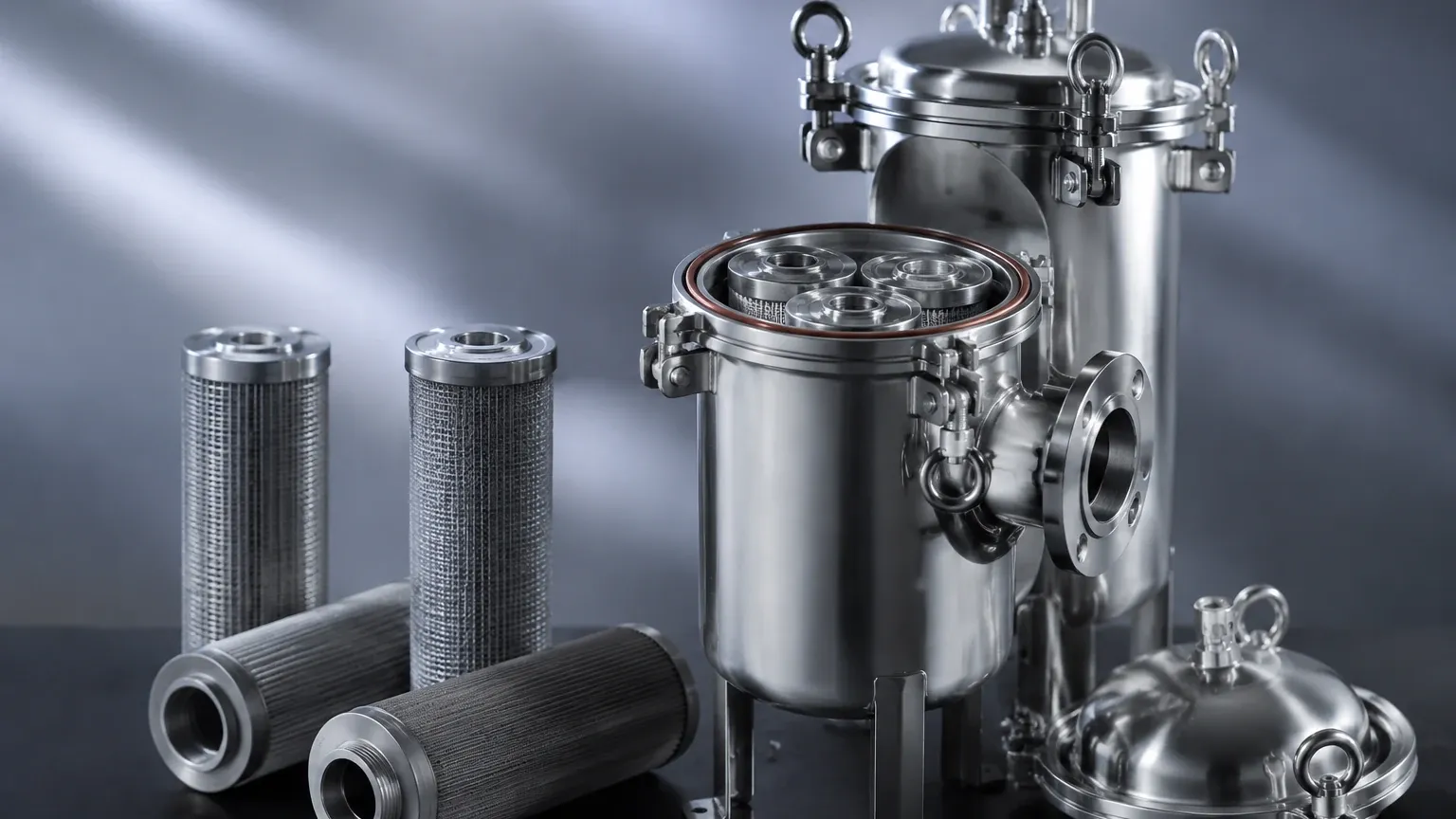
In industrial filtration, the filter cartridge vessel serves as the critical containment system that facilitates the separation of solids from liquids or gases. While the filter media performs the actual task of particle retention, the vessel provides the structural integrity, pressure containment, and flow direction necessary for the process to function efficiently. For engineers and procurement professionals in the chemical, pharmaceutical, and food and beverage sectors, selecting the right filter cartridge vessel is as vital as selecting the Filter Cartridges themselves.
A well-engineered vessel ensures that the fluid is forced through the filter media without bypass, maintains system pressure, and allows for safe, ergonomic maintenance. This guide examines the technical nuances of filter cartridge vessels, from material selection and design configurations to the engineering considerations that impact long-term operational costs.
The Engineering Role of a Filter Cartridge Vessel
A filter cartridge vessel is more than a simple housing; it is a precision-engineered pressure vessel designed to meet specific hydraulic and mechanical requirements. Its primary function is to hold one or more filter elements in a fixed position, ensuring that all process fluid passes through the media.
From an engineering perspective, the vessel must be designed to withstand the maximum operating pressure of the system, including potential pressure surges. It must also resist chemical corrosion from the process fluid and environmental factors. Internally, the vessel must feature a sealing interface—typically a tubesheet or individual pedestals—that prevents "bypass," where unfiltered fluid escapes around the edges of the filter element. Even a 1% bypass can significantly compromise the purity of the downstream product, making the mechanical tolerances of the vessel's internal components a priority during the selection process.
Material Selection and Corrosion Resistance
In industrial environments, the material of construction is the first line of defense against premature failure. Most high-performance filter cartridge vessels are manufactured from stainless steel due to its durability and resistance to a wide range of chemicals.
Stainless Steel 304 vs. 316L
Stainless Steel 304 is the standard for general industrial applications, providing excellent strength and basic corrosion resistance. However, for applications involving chlorides, high temperatures, or acidic environments—common in chemical processing and water treatment—Stainless Steel 316L is the preferred choice. The "L" denotes low carbon content, which improves weldability and reduces the risk of intergranular corrosion.
Surface Finishes and Sanitary Standards
For the pharmaceutical and food industries, the internal surface finish of the filter cartridge vessel is critical. Rough surfaces can harbor bacteria or trap particles, leading to cross-contamination. Engineers often specify electropolishing or mechanical polishing to achieve a specific Ra (Roughness Average) value. A smooth, mirror-like finish ensures that the vessel can be effectively cleaned via CIP (Clean-in-Place) or SIP (Steam-in-Place) protocols.
Integrating Filter Cartridges with Vessel Design
The performance of a filtration system is a result of the synergy between the vessel and the Filter Cartridges installed within it. When designing or selecting a filter cartridge vessel, engineers must consider the specific type of cartridge intended for use.
Sealing Configurations
Filter elements come in various end-cap configurations, such as Double Open End (DOE), Code 7 (226 O-ring with bayonet lock), or Code 3 (222 O-ring). The vessel's internal hardware must match these configurations perfectly. For high-purity applications, the Code 7 design is often preferred because the locking mechanism ensures the cartridge remains seated even under back-pressure or high flow rates, providing a superior seal compared to DOE cartridges which rely on spring tension.
Flow Dynamics and Pressure Drop
The internal geometry of the vessel influences the "clean pressure drop." If the inlet and outlet ports are undersized relative to the flow rate, the vessel itself will contribute to energy loss. Engineers typically aim for a total system pressure drop (vessel + clean cartridges) of less than 2-5 psi at the start of a cycle. As the filter cartridge vessel accumulates solids, the differential pressure increases, eventually reaching a terminal point where the cartridges must be replaced.
Types of Filter Cartridge Vessels
Depending on the scale of the operation and the required flow rate, vessels are categorized into two main types: single-round and multi-round.
Single-Round Vessels
Single-round vessels house a single filter cartridge. These are typically used for low-flow applications, pilot plants, or as point-of-use filters. They are compact, easy to install, and offer a cost-effective solution for flow rates ranging from 1 to 20 gallons per minute (GPM), depending on the cartridge length and micron rating.
Multi-Round Vessels
For high-capacity industrial processes, multi-round vessels are required. These housings can contain anywhere from 3 to over 100 cartridges. The design of a multi-round filter cartridge vessel involves a complex internal tubesheet that distributes flow evenly across all elements. Even distribution is essential; if one area of the vessel receives higher velocity, the cartridges in that section will clog prematurely, leading to inefficient use of the filter media and more frequent downtime.
Closure Mechanisms and Operational Safety
Safety and ease of maintenance are governed by the vessel’s closure design. Since industrial filters require periodic cartridge changes, the method used to open and seal the vessel impacts both labor costs and operator safety.
1. V-Band Clamps: Common in light-duty or low-pressure applications. They are quick to open but have lower pressure ratings compared to bolted designs.
2. Swing Bolts: The industry standard for high-pressure and heavy-duty applications. Swing bolts allow for relatively fast access without the need for specialized tools while providing a robust, high-integrity seal.
3. Davit Arms: For large, multi-round vessels, the lid (or cover) can be extremely heavy. A davit arm or hydraulic lift is often integrated into the vessel design to allow a single operator to safely swing the lid away for cartridge replacement.
Technical Considerations for Sizing a Vessel
Sizing a filter cartridge vessel requires a balance between initial capital expenditure (CAPEX) and ongoing operational expenditure (OPEX). While a smaller vessel is cheaper to purchase, it may require more frequent cartridge changes, leading to higher labor and replacement costs.
Flux Rate and Velocity
Engineers must calculate the flux rate—the flow rate per unit of filter area. If the flux rate is too high, particles may be forced through the media, or the media may deform. By increasing the size of the vessel to accommodate more cartridges, the flux rate per cartridge decreases, which often extends the life of the filter media and improves filtration efficiency.
Fluid Viscosity
The viscosity of the fluid significantly impacts the pressure drop. High-viscosity fluids, such as oils or resins, require larger vessels with more cartridges to maintain a manageable pressure drop at the required flow rate. Failure to account for viscosity is a common cause of system underperformance.
Maintenance and Total Cost of Ownership
When evaluating a filter cartridge vessel, it is important to look beyond the purchase price. The total cost of ownership (TCO) includes the cost of replacement cartridges, labor for change-outs, and the cost of process downtime.
* Differential Pressure Monitoring: Every vessel should be equipped with pressure gauges on the inlet and outlet. Monitoring the differential pressure (ΔP) is the only reliable way to determine when cartridges are spent. Automated systems can trigger an alarm or a bypass valve when the ΔP reaches a pre-set limit.
* Drain and Vent Ports: Proper vessel design must include vent ports at the highest point to bleed off air during startup and drain ports at the lowest point to allow for complete fluid recovery before opening the vessel. This is especially important when handling hazardous or expensive chemicals.
* Gasket Compatibility: The O-rings and gaskets used to seal the vessel must be compatible with the process fluid. Common materials include Buna-N, EPDM, Viton, and PTFE-encapsulated silicone. Using an incompatible gasket can lead to leaks and safety hazards.
Customization in Filter Cartridge Vessel Manufacturing
Standard off-the-shelf vessels do not always meet the unique demands of specialized industrial processes. Customization allows engineers to tailor the vessel to their specific footprint and performance requirements. Custom options may include:
* Alternate Inlet/Outlet Orientations: To fit into existing piping layouts without complex manifolding.
* Heating Jackets: For applications where the fluid must be maintained at a specific temperature to prevent solidification or maintain low viscosity.
* Leg and Support Mounts: Custom heights or mounting brackets for integration into mobile skids or specific floor plans.
* Advanced Materials: For highly corrosive environments, vessels can be lined with specialized coatings or manufactured from exotic alloys like Hastelloy.
Conclusion: Selecting the Right Solution
Choosing the correct filter cartridge vessel is a technical decision that requires a thorough understanding of the process fluid, flow requirements, and desired filtration outcomes. By focusing on material integrity, proper sizing, and ergonomic design, facilities can ensure a filtration system that is both reliable and cost-effective.
Before finalizing a purchase, engineers should confirm the maximum operating temperature and pressure, the chemical compatibility of all wetted parts, and the specific end-cap style of the Filter Cartridges to be used. Partnering with a manufacturer that understands these engineering nuances ensures that the vessel will perform as expected in the most demanding industrial environments.
