


Belt Press Filter
In industrial liquid-solid separation, the belt press filter remains a cornerstone technology for dewatering applications. Designed to handle high volumes of slurry and sludge, this equipment is essential in municipal wastewater treatment, chemical processing, and food production. For engineers and facility managers, understanding the mechanical nuances, material requirements, and filtration efficiency of these systems is critical to optimizing operational costs and achieving regulatory compliance regarding waste disposal.
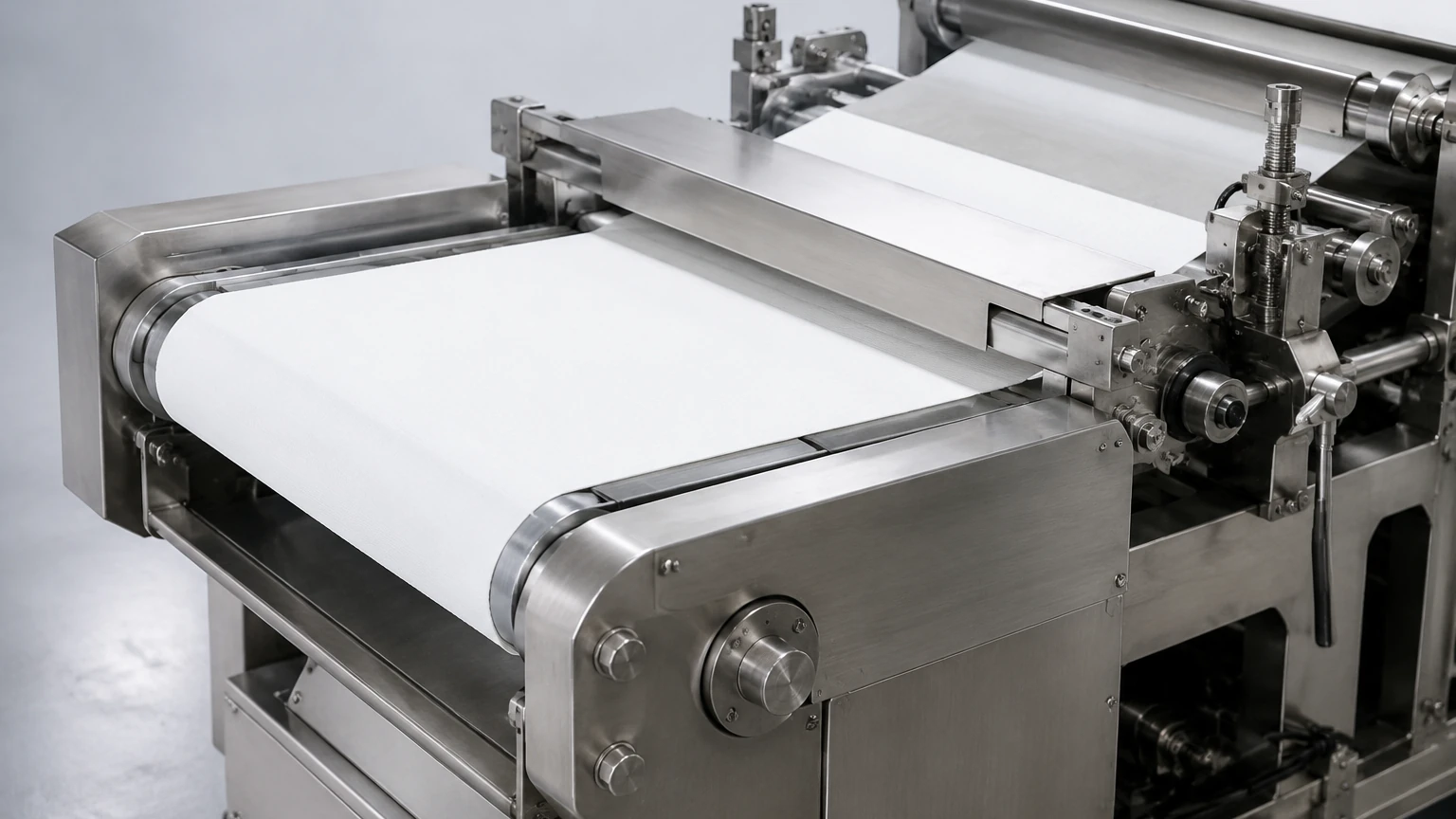
At its core, a belt press filter utilizes a series of rollers and two tensioned belts to mechanically squeeze water out of a conditioned slurry. This process transforms a liquid-heavy feed into a concentrated filter cake, significantly reducing the volume and weight of the waste material. To ensure the longevity and performance of these systems, the integration of high-quality filtration components—ranging from the belts themselves to the auxiliary stainless steel support structures—is paramount. For comprehensive information on industrial filtration components, technical professionals often refer to the Main Page of specialized manufacturers like Kaifil to evaluate material compatibility and precision engineering options.
The Mechanical Principles of a Belt Press Filter
The operation of a belt press filter is a continuous process that relies on a sequence of distinct stages. Each stage is designed to maximize the removal of liquid while maintaining the structural integrity of the resulting solids.
1. Chemical Conditioning and Flocculation
Before the slurry enters the belt press, it must be chemically treated. This usually involves the addition of polymers (flocculants) that cause small particles to clump together into larger masses known as flocs. This stage is vital because it releases "free water" from the solids, making the subsequent mechanical dewatering much more efficient. Without proper flocculation, the slurry would simply pass through the belt mesh or blind the filter media.
2. The Gravity Drainage Zone
The conditioned sludge is first distributed across a moving porous belt in the gravity drainage zone. Here, the free water drains through the belt by the force of gravity alone. In high-performance systems, this zone may feature furrowing devices or "plows" that gently turn the sludge to expose new surface area, further accelerating the drainage process. By the end of this stage, the sludge has reached a consistency that allows it to be compressed without being squeezed out of the sides of the belts.
3. The Wedge Zone (Low-Pressure Compression)
As the sludge moves forward, it is sandwiched between the primary belt and a secondary upper belt. This area is known as the wedge zone. The gap between the two belts gradually narrows, applying a gentle, increasing pressure to the material. This prepares the sludge for the high-pressure stage by further stabilizing the cake structure.
4. The High-Pressure Shear Zone
The final stage involves the belts wrapping around a series of rollers with decreasing diameters. As the belts travel over these rollers, they exert both high compression and shear forces on the sludge. The serpentine path creates a shearing action that breaks down internal moisture pockets, resulting in the highest possible solids concentration. The final filter cake is then scraped off the belts by doctor blades and transported for disposal or further processing.
Engineering Considerations for Material Selection
The efficiency of a belt press filter is heavily dependent on the materials used in its construction, particularly the components that come into direct contact with the slurry and the filtrate. In industrial environments where chemical corrosion and mechanical wear are constant threats, the choice of stainless steel for structural and filtration components is often non-negotiable.
Stainless Steel Grades: 304 vs. 316
For most standard industrial applications, Grade 304 stainless steel provides excellent durability and resistance to oxidation. However, in environments involving high chloride concentrations or acidic slurries—common in chemical processing and certain food industries—Grade 316 stainless steel is the preferred choice. The addition of molybdenum in 316 stainless steel significantly enhances its resistance to pitting and crevice corrosion, ensuring that the filter frames, rollers, and internal mesh components maintain their structural integrity over long service cycles.
Precision Metal Components
While the belts are the primary moving parts, the performance of the belt press filter is supported by precision-engineered metal components. These include spray headers for belt washing, drainage trays, and pre-filtration screens. Utilizing custom stainless steel filtration solutions ensures that these components can withstand high-pressure wash-downs and abrasive materials without degrading. Precision in the manufacturing of these parts prevents bypass and ensures that the filtrate remains clear of unwanted solids.
Evaluating Belt Press Filter Performance
When selecting or optimizing a dewatering system, engineers must focus on several key performance indicators (KPIs) that define the success of the operation.
1. Cake Solids Content: This is the percentage of dry solids in the final filter cake. Higher cake solids reduce hauling and disposal costs. A well-optimized belt press filter can typically achieve 18% to 35% solids, depending on the nature of the sludge.
2. Solids Capture Rate: This measures the efficiency of the filter in retaining solids. A high capture rate (often 95% or higher) means that the filtrate (the water removed) is clean and requires less treatment before discharge or reuse.
3. Throughput Capacity: Measured in gallons per minute (GPM) or dry pounds per hour, throughput defines how much material the machine can process. This is influenced by the belt width and the speed of the operation.
4. Chemical Consumption: The amount of polymer required to achieve effective flocculation is a significant operational expense. Efficient belt designs and proper gravity drainage zones can help minimize polymer demand.
Common Operational Risks and Mitigation
Operating a belt press filter is not without challenges. Technical teams must be aware of common risks that can lead to downtime or reduced efficiency.
* Belt Blinding: This occurs when fine particles become trapped within the weave of the belt, preventing water from passing through. This is often mitigated by high-pressure wash bars that continuously clean the belts during operation. The quality of the spray nozzles and the filtration of the wash water are critical here.
* Tracking Issues: If the belts are not properly aligned, they can drift to one side, causing uneven wear or damage to the machine frame. Automatic tracking systems, often utilizing pneumatic or hydraulic actuators, are essential for maintaining belt alignment.
* Mechanical Wear: The rollers and bearings are under constant tension and are often exposed to moisture and chemicals. Using high-quality stainless steel components and robust sealing mechanisms is necessary to prevent premature mechanical failure.
The Role of Customization in Industrial Filtration
No two industrial slurries are identical. A belt press filter configuration that works for a municipal wastewater plant may fail in a paper mill or a food processing facility. Customization is the bridge between standard equipment and optimized performance. This includes selecting the specific mesh size for pre-filtration, adjusting the roller configuration for specific shear requirements, and choosing the right alloy for chemical compatibility.
Manufacturers like Kaifil provide the engineering expertise needed to develop these customized components. By focusing on the specific filtration accuracy and durability requirements of an application, they help industrial operators achieve better results. Whether it is a custom-sized stainless steel filter cartridge for the wash water system or specialized wire mesh for the drainage zone, these precision parts are vital to the overall system's reliability.
Maintenance and Long-Term Value
The total cost of ownership for a belt press filter includes not just the initial purchase price, but also the costs of energy, chemicals, and maintenance. A proactive maintenance schedule is essential for extending the life of the equipment. This includes:
* Daily Inspections: Checking belt tension, tracking, and the effectiveness of the wash-down system.
* Lubrication: Ensuring all moving parts and bearings are properly lubricated to reduce friction and wear.
* Component Replacement: Timely replacement of doctor blades and worn belt sections to prevent damage to the rollers.
By investing in high-quality stainless steel components from the outset, facilities can significantly reduce the frequency of repairs and the risk of catastrophic failure. The durability of stainless steel ensures that the equipment can handle the rigors of 24/7 industrial operation.
Conclusion
The belt press filter remains an indispensable tool for industrial dewatering, offering a balance of high throughput and reliable performance. For engineers, the key to success lies in the details: from the chemistry of flocculation to the precision of the stainless steel components that support the mechanical process. By understanding the operational zones, material requirements, and performance metrics, organizations can optimize their waste management processes and improve their bottom line.
For those looking to enhance their filtration systems with high-performance metal components, exploring specialized manufacturing resources is a logical next step. To learn more about customized stainless steel filtration solutions and how they can be integrated into industrial processes, visit the Main Page for technical guidance and product specifications.
