


Filter Cartridge vs Capsule
In industrial filtration, selecting the appropriate format for a separation process is as critical as selecting the filter media itself. Engineers and procurement teams often face the decision between utilizing standalone Filter Cartridges—which require a separate permanent housing—and integrated capsule filters, which are self-contained, disposable units.
This choice impacts not only the initial capital expenditure (CAPEX) but also long-term operational costs (OPEX), maintenance schedules, and the overall reliability of the filtration system. Understanding the technical nuances of the filter cartridge vs capsule comparison is essential for optimizing processes in chemical processing, pharmaceuticals, food and beverage production, and hydraulic systems.
Defining the Core Technologies
To make an informed decision, one must first define the structural and functional characteristics of each format.
Filter Cartridges
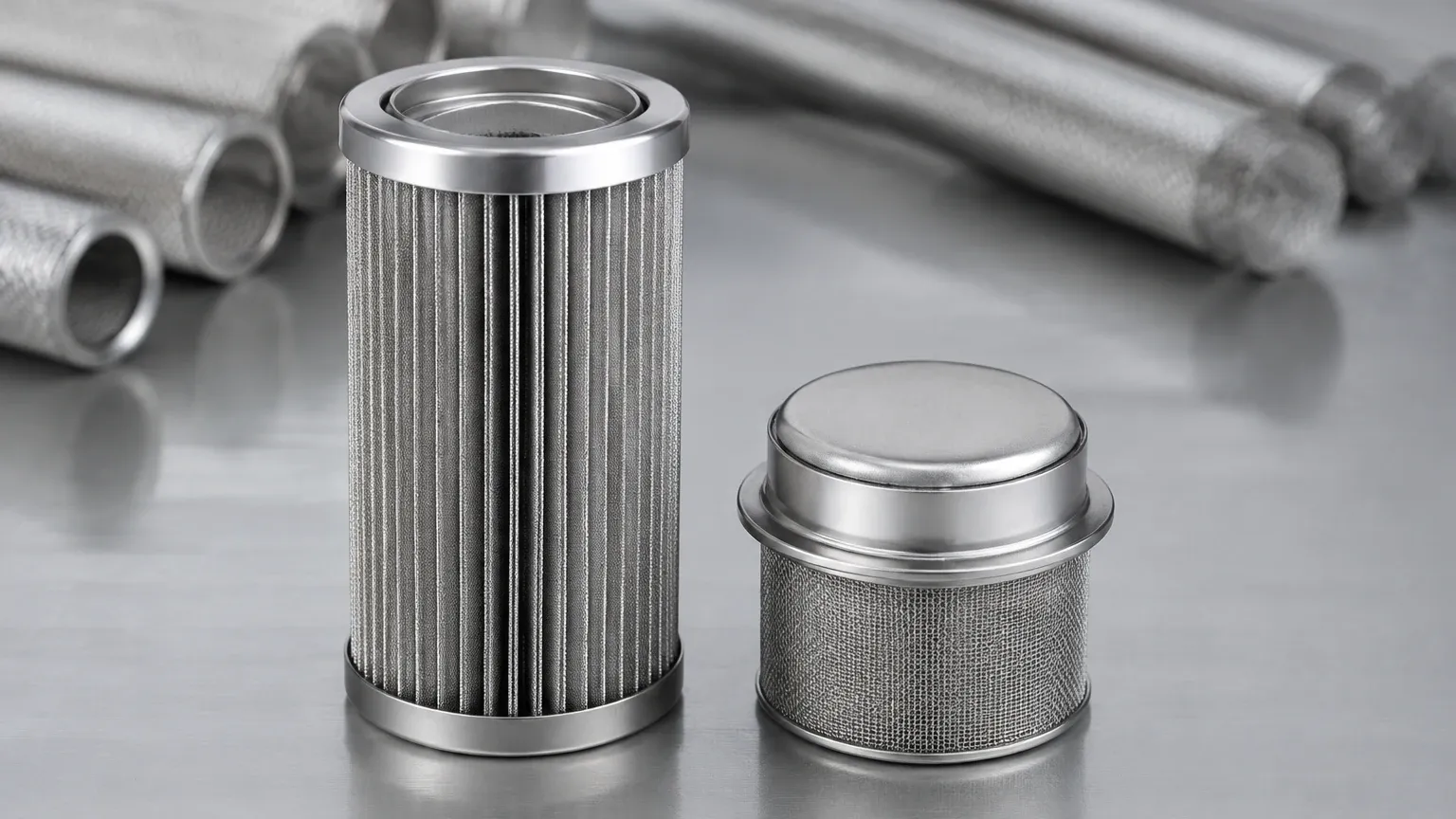
A filter cartridge is a modular filtration component designed to be inserted into a reusable filter housing. These cartridges are available in various lengths (typically 10, 20, 30, or 40 inches) and configurations (such as DOE, Code 7, or Code 3). In industrial settings, especially those involving high temperatures or aggressive chemicals, stainless steel filter cartridges are preferred for their durability and cleanability. The cartridge provides the media surface area, while the housing provides the pressure vessel and fluid connections.
Capsule Filters
A capsule filter is a self-contained, ready-to-use unit where the filter media is permanently sealed within a plastic or polymer shell. The housing and the filter are a single integrated component. Capsules are typically used for smaller batches, lab-scale operations, or processes where minimizing operator exposure to the process fluid is a priority. Once the filter reaches its terminal pressure drop, the entire unit is discarded.
Structural Differences and Housing Requirements
The most significant physical distinction in the filter cartridge vs capsule debate lies in the requirement for external hardware.
The Role of the Filter Housing
When using filter cartridges, the facility must invest in a high-quality filter housing, often constructed from 304 or 316L stainless steel. This housing is a pressure-rated vessel that remains a permanent part of the piping infrastructure. While this represents a higher initial cost, it allows for the use of robust, high-performance cartridges that can withstand significant differential pressures.
Integrated Design of Capsules
Capsules eliminate the need for a separate housing. They feature integral inlet and outlet connections (such as NPT threads, hose barbs, or sanitary flanges). This makes them highly portable and easy to integrate into temporary or flexible manufacturing setups. However, because the outer shell is typically made of polymers like polypropylene, capsules have lower pressure and temperature ratings compared to stainless steel cartridge/housing assemblies.
Operational Efficiency: Installation and Change-out
From a maintenance perspective, the two formats offer different advantages regarding labor and downtime.
Cartridge Change-out Procedures
Replacing a filter cartridge requires opening the filter housing, removing the spent cartridge, cleaning the interior of the housing to prevent cross-contamination, and installing a new unit. In industrial applications involving hazardous chemicals or high-purity requirements, this process can be labor-intensive and may require specialized safety protocols. However, for continuous processes, the use of duplex housing systems allows for cartridge replacement without stopping the flow.
The "Plug-and-Play" Nature of Capsules
Capsules are designed for rapid deployment. Because they are self-contained, there is no housing to clean. The operator simply disconnects the spent capsule and replaces it with a new one. This significantly reduces the risk of environmental contamination and protects operators from contact with the process fluid. For this reason, capsules are frequently used in the filtration of toxic chemicals, inks, and biological fluids.
Engineering Considerations: Pressure, Temperature, and Compatibility
When evaluating filter cartridge vs capsule options, engineers must look closely at the physical limits of the materials involved.
Pressure and Thermal Stress
Standard filter cartridges, particularly those manufactured from pleated stainless steel wire mesh or sintered metal, are engineered for high-stress environments. When installed in a heavy-duty housing, these cartridges can handle high operating pressures and significant pressure spikes. Furthermore, metal cartridges can operate at temperatures exceeding 200°C, conditions that would cause a polymer capsule to fail or deform.
Chemical Compatibility
While capsules are available in various polymer grades, they are generally limited by the chemical resistance of the capsule shell. In contrast, a stainless steel filter cartridge system offers broad compatibility with solvents, caustic cleaning agents, and high-temperature steam. For aggressive industrial solvents or hydraulic oils, the mechanical integrity of a metal cartridge system is often the only viable solution.
Economic Analysis: CAPEX vs. OPEX
The financial decision-making process involves balancing the upfront costs against the total cost of ownership over the lifecycle of the equipment.
1. Initial Investment (CAPEX): Capsules have a lower entry cost because no expensive stainless steel housing is required. If a project is in the pilot phase or involves a very small volume of fluid, capsules are more economical. Filter cartridges require the purchase of a housing, which can be a significant capital investment.
2. Recurring Costs (OPEX): On a per-unit-area basis, filter cartridges are generally less expensive than capsules. In high-volume production, the cost savings of the cartridge eventually offset the initial cost of the housing.
3. Labor and Disposal: Capsules reduce labor costs associated with cleaning and validation. However, they generate more waste, as the entire plastic shell is discarded. Cartridges generate less waste, and in the case of stainless steel versions, they can often be cleaned and reused multiple times, further driving down the long-term cost.
Application Suitability: From Lab Scale to Industrial Production
The choice between filter cartridge vs capsule often depends on the scale of the operation.
Pilot Plants and Small Batches
Capsules are the industry standard for R&D labs and pilot-scale production. Their ease of use and lack of cleaning requirements allow researchers to move quickly between different batches without the risk of cross-contamination. They are also ideal for "point-of-use" filtration where only a small volume of fluid needs to be processed at a specific workstation.
Full-Scale Industrial Processing
For full-scale manufacturing, especially in the chemical, food and beverage, and water treatment sectors, Filter Cartridges are the preferred choice. The ability to scale up by using multi-round housings (which can hold dozens of cartridges) allows for massive flow rates that would be impossible to achieve with capsules. Additionally, the durability of stainless steel components ensures that the filtration system can run for years with minimal structural maintenance.
Sustainability and Waste Management
In the modern B2B landscape, environmental impact is an increasingly important factor in procurement.
* Capsule Waste: Every time a capsule is replaced, a significant amount of plastic is sent to the landfill or incinerator. For facilities aiming for "zero-waste" or reduced plastic footprints, the reliance on disposable capsules can be a drawback.
* Cartridge Sustainability: Cartridges, particularly those made of metal, represent a more sustainable approach. A single stainless steel housing can last for decades. The cartridges themselves have a higher media-to-plastic ratio (or are entirely metal), and the ability to ultrasonically clean or backwash metal cartridges significantly extends their service life, reducing the total volume of consumable waste.
Selection Checklist for Engineering Teams
Before finalizing a filtration strategy, technical teams should confirm the following parameters to determine if a cartridge or capsule is the better fit:
* Total Flow Volume: Is this a one-time small batch or a continuous high-volume process?
* Operating Pressure: Will the system exceed 50-70 psi? (Higher pressures typically favor cartridges in metal housings).
* Temperature Requirements: Does the process fluid exceed 60°C? (High temperatures favor stainless steel cartridges).
* Fluid Toxicity: Is operator exposure a major safety concern? (Capsules provide better containment during change-outs).
* Cleaning Capabilities: Does the facility have the resources to clean and validate filter housings?
* Budget Structure: Is the budget focused on minimizing initial startup costs or reducing the long-term cost per gallon filtered?
Conclusion
The decision in the filter cartridge vs capsule debate is rarely about which technology is "better" in a vacuum, but rather which is better suited for the specific engineering constraints of the application. Capsules offer unmatched convenience and safety for small-scale and hazardous fluid applications, while filter cartridges provide the robust, scalable, and cost-effective performance required for heavy industrial processes.
For most industrial applications where durability and high flow rates are paramount, investing in a high-quality housing and compatible filter cartridges remains the gold standard. By carefully evaluating the pressure, temperature, and throughput requirements of your system, you can select a filtration solution that ensures process consistency and optimizes your total cost of ownership.
For technical specifications and to explore high-performance options for your facility, you may Review product options and application support to find the ideal configuration for your specific industrial needs.
