


Filter Element Hs Code
In the global procurement of industrial filtration components, the accurate classification of goods is a fundamental requirement for seamless international trade. For engineers, procurement officers, and technical managers sourcing high-performance stainless steel Filter Cartridges, understanding the filter element HS code is essential. The Harmonized System (HS) code is a standardized numerical method of classifying traded products, used by customs authorities around the world to identify products for the application of duties, taxes, and regulatory controls.
Incorrect classification can lead to significant financial penalties, shipment delays, and legal complications. This guide provides a technical overview of how industrial filter elements are classified, the specific codes applicable to stainless steel filtration media, and the engineering data required to ensure compliance during the import-export process.
The Role of HS Codes in Industrial Filtration Procurement
The Harmonized Commodity Description and Coding System, commonly known as the HS, is managed by the World Customs Organization (WCO). For industrial components like filter elements, the HS code serves as a universal technical language. When a shipment of stainless steel wire mesh filters or sintered metal cartridges arrives at a border, the customs officials do not necessarily understand the nuances of micron ratings or alloy compositions; they rely on the HS code to determine the nature of the goods.
For B2B buyers, the filter element HS code directly impacts the Total Cost of Ownership (TCO). It determines the basic duty rate, which can vary significantly between different categories of machinery parts. Furthermore, it dictates whether a product is subject to trade remedy measures, such as anti-dumping duties or countervailing duties, which are often applied to specific metal products from certain regions.
Decoding Heading 8421: The Primary Category for Filters
Most industrial filtration products fall under Chapter 84 of the Harmonized System, which covers nuclear reactors, boilers, machinery, and mechanical appliances. Specifically, Heading 8421 is the primary designation for "Centrifuges, including centrifugal dryers; filtering or purifying machinery and apparatus, for liquids or gases."
Within this heading, several subheadings are relevant to industrial filter elements and cartridges:
8421.21 – Filtering or Purifying Water
This subheading is used for machinery and apparatus designed specifically for the filtration of water. This includes large-scale industrial water treatment systems as well as the individual filter elements used within them. If the primary application of the stainless steel cartridge is water purification—such as in municipal treatment or desalination—this code is often the most appropriate.
8421.29 – Other Filtering or Purifying Machinery for Liquids
This is a broad category that covers the filtration of liquids other than water. It is frequently applied to filter elements used in chemical processing, oil and gas, food and beverage (such as juice or syrup filtration), and hydraulic systems. Since many of Kaifil’s custom stainless steel solutions are designed for aggressive chemical environments or high-viscosity fluids, 8421.29 is a common classification for these products.
8421.39 – Filtering or Purifying Machinery for Gases
For applications involving the removal of particulates from air or industrial gases, subheading 8421.39 is utilized. This includes high-temperature gas filtration and the recovery of catalysts in chemical reactors. Sintered metal fiber felt and multi-layer wire mesh cartridges used in gas streams fall under this classification.
8421.99 – Parts of Filtering or Purifying Machinery
This is perhaps the most critical code for the replacement market. While 8421.21 through 8421.39 often refer to the complete apparatus (the housing plus the element), 8421.99 is specifically reserved for "parts." In many jurisdictions, a replacement filter cartridge is classified as a part of the filtering machinery. However, the distinction between a "part" and a "machinery unit" can be subtle and often depends on the specific customs rulings of the importing country.
Material Composition and Its Impact on Classification
While Heading 8421 is functional, the material of construction plays a secondary role in classification disputes. Industrial filters are manufactured from a variety of materials, including polymers, ceramics, and metals. Kaifil specializes in stainless steel filtration solutions, utilizing materials such as 304, 316L, and specialized alloys like Hastelloy or Inconel.
In some cases, if a filter element is not clearly identifiable as a part of a machine under 8421, customs may attempt to classify it based on its constituent material. For example, articles made of stainless steel wire mesh might be scrutinized under Chapter 73 (Articles of iron or steel). However, according to the General Rules of Interpretation (GRI) of the HS system, a product should be classified under the heading that provides the most specific description. Since Heading 8421 specifically mentions "filtering or purifying machinery and apparatus," it generally takes precedence over general metal article headings, provided the item is clearly designed and dedicated for filtration use.
Technical Specifications Required for Customs Documentation
To ensure the correct filter element HS code is applied, the commercial invoice and technical data sheet should provide clear, factual descriptions. Vague terms like "metal part" or "industrial component" are insufficient and often trigger audits. Engineers should ensure that the following technical parameters are documented:
1. Function: Clearly state that the item is for the filtration or purification of liquids or gases.
2. Material: Specify the grade of stainless steel (e.g., AISI 316L) and the form (e.g., sintered wire mesh, perforated metal, or metal fiber felt).
3. Application: Identify the end-use environment, such as "hydraulic oil filtration," "chemical processing," or "food-grade steam filtration."
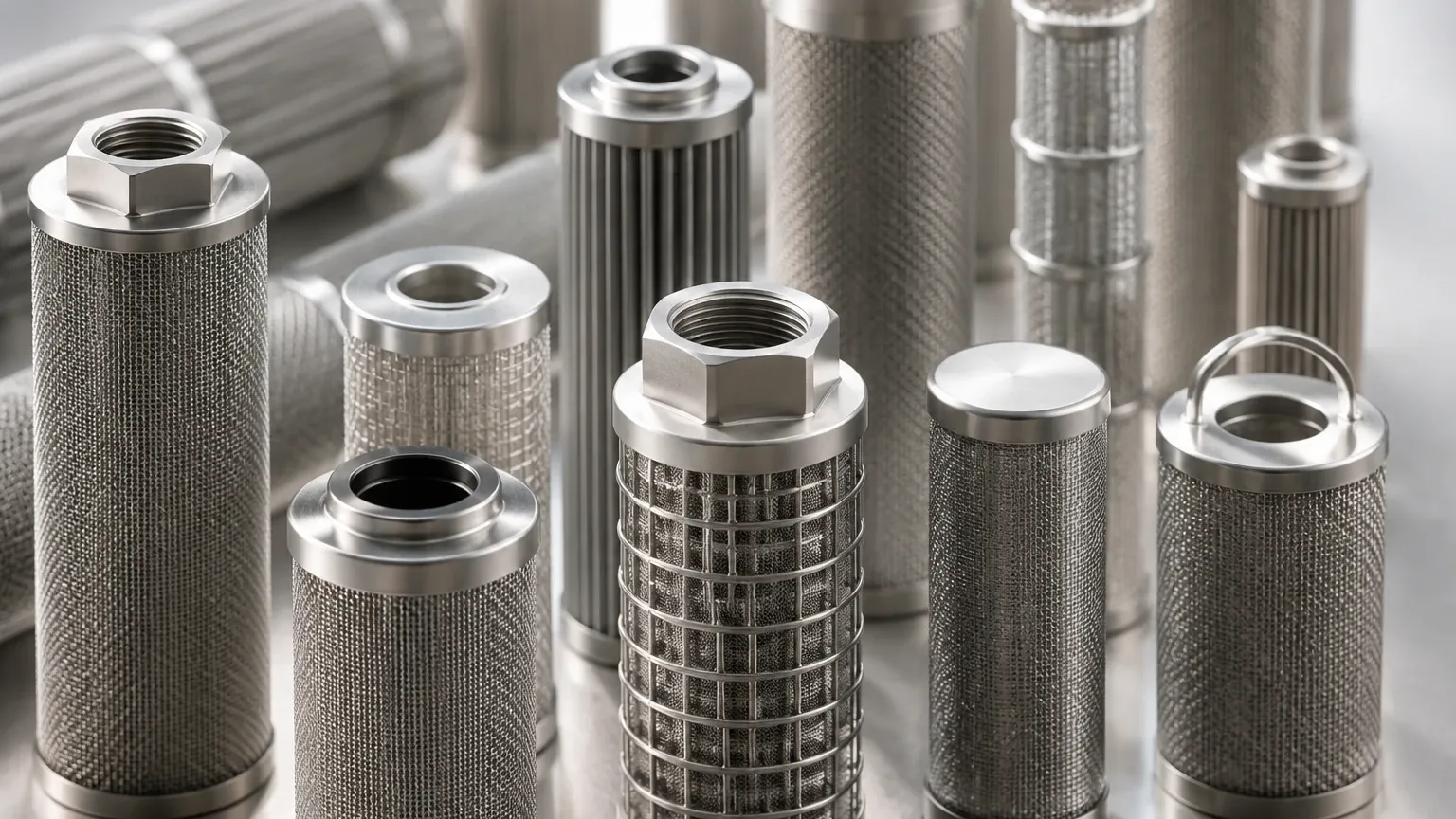
4. Design Features: Mention if the cartridge is a pleated design, a cylindrical wrap, or a multi-layer sintered structure. These details confirm the item's identity as a specialized filtration component.
Evaluating Risks: Misclassification and Compliance
The risks associated with using an incorrect filter element HS code extend beyond simple duty payments. In the B2B sector, compliance is a matter of corporate integrity and supply chain stability.
* Seizure of Goods: Customs authorities have the power to seize shipments that are misdeclared, especially if the misclassification appears to be an attempt to evade higher duties or trade restrictions.
* Retroactive Audits: Customs agencies often conduct audits of import records spanning several years. If a pattern of incorrect HS coding is found, the importer may be liable for back-paid duties plus interest and substantial penalties.
* Regulatory Barriers: Certain HS codes may trigger additional regulatory requirements, such as health certificates for food-contact materials or export licenses for dual-use technologies (e.g., high-precision filters used in nuclear or aerospace applications).
When sourcing custom filtration solutions, it is advisable to consult with the manufacturer’s technical team. Manufacturers like Kaifil, with extensive experience in global distribution, can provide the necessary technical descriptions that align with international standards, helping to mitigate these risks.
HS Codes and Customization: Bespoke Filtration Solutions
Customization is a hallmark of industrial filtration. Whether it is a unique end-cap configuration for a specific housing or a specialized micron rating for a sensitive chemical process, bespoke designs are common. A frequent question from engineers is whether a custom-designed filter requires a different HS code than a standard one.
Generally, the HS code remains the same regardless of the specific dimensions or micron rating, provided the fundamental function and material remain within the scope of the heading. For instance, a custom-length 316L sintered mesh Filter Cartridges unit designed for a unique pharmaceutical reactor still falls under 8421.29 (if for liquids) or 8421.99 (as a part). The key is the consistency of the functional description.
Total Cost Considerations and Tariff Engineering
Tariff engineering is the practice of designing or classifying products to legally minimize duty exposure. While the HS system is highly standardized at the first six digits, the subsequent digits (8, 10, or more depending on the country) can vary. These national-level codes determine the exact duty rate.
For example, in the United States, the Harmonized Tariff Schedule (HTS) provides specific breakouts for filters. In the European Union, the Combined Nomenclature (CN) does the same. By understanding these nuances, procurement teams can better forecast the landed cost of their filtration components. It is important to note that the "country of origin" also plays a vital role alongside the HS code in determining the final tariff rate, especially in the context of Free Trade Agreements (FTAs).
Conclusion: Verifying Your Classification
Selecting the correct filter element HS code is a technical task that requires collaboration between engineering, logistics, and the manufacturer. Before finalizing a purchase order for industrial filter cartridges, it is recommended to:
1. Consult the Manufacturer: Request the suggested HS code and a detailed technical description from the supplier.
2. Review Local Customs Rulings: Check if your national customs authority has issued any specific binding rulings on similar filtration products.
3. Coordinate with Customs Brokers: Ensure your logistics partner agrees with the classification and has the supporting documentation to justify it during entry.
By treating the HS code as a critical technical specification—much like a micron rating or a pressure limit—industrial buyers can ensure a reliable and compliant supply chain for their critical filtration needs. For high-performance stainless steel Filter Cartridges, precision in documentation is just as important as precision in manufacturing.
