


Filter Element Yanmar
In the realm of industrial and marine power systems, the reliability of a diesel engine is inextricably linked to the quality of its filtration. For operators and engineers utilizing Yanmar engines—whether in marine propulsion, auxiliary power generation, or heavy construction equipment—the selection of the correct filter element yanmar is a critical engineering decision. While original equipment manufacturer (OEM) components provide a baseline for performance, demanding industrial environments often require specialized filtration solutions that exceed standard specifications in terms of durability, chemical resistance, and thermal stability.
Industrial filtration is not merely about removing particulates; it is about maintaining system integrity under fluctuating pressures and temperatures. For technical professionals, understanding the intersection between engine requirements and advanced material science is essential when sourcing Filter Cartridges for critical machinery. This guide examines the technical parameters, material considerations, and engineering trade-offs involved in selecting and maintaining high-performance filter elements for Yanmar-powered systems.
Understanding the Role of the Filter Element in Yanmar Systems
A Yanmar engine’s fuel and lubrication systems are precision-engineered environments. The fuel injection system, in particular, relies on extremely tight tolerances. Even microscopic contaminants can lead to injector wear, poor combustion, and eventual engine failure. The filter element yanmar serves as the primary defense mechanism against these contaminants, which include dust, rust, water, and microbial growth (in diesel fuel).
From an engineering perspective, the filter element must balance two competing factors: filtration efficiency and flow resistance. A filter that is too restrictive will cause a significant pressure drop (Delta P), potentially starving the engine of fuel or oil. Conversely, a filter with insufficient efficiency will allow harmful particles to pass through. When evaluating filter elements for industrial Yanmar applications, engineers must confirm the nominal and absolute micron ratings. In many heavy-duty industrial contexts, a multi-stage filtration approach is used, where a primary stainless steel mesh element captures larger debris, followed by a secondary fine-media cartridge for final polishing.
Material Selection: Stainless Steel vs. Traditional Media
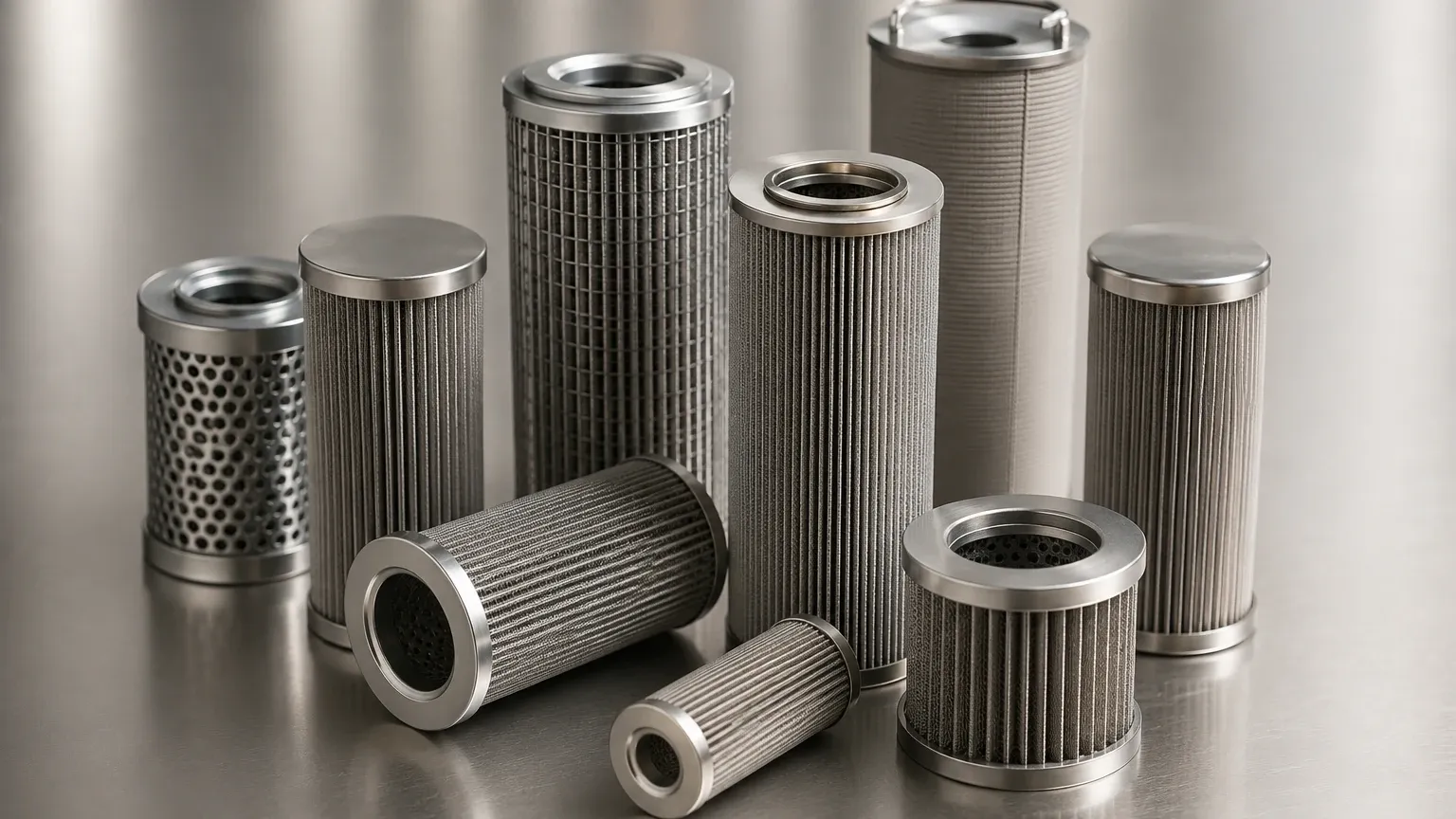
Standard filter elements often utilize cellulose or synthetic fiber media. While effective for general use, these materials have limitations in aggressive industrial environments. For applications involving high temperatures, corrosive fluids, or the need for frequent cleaning, stainless steel Filter Cartridges offer significant advantages.
Durability and Chemical Resistance
Stainless steel, particularly grades 304 and 316L, provides exceptional resistance to corrosion. This is vital for marine Yanmar engines exposed to salt spray or for industrial engines running on low-quality fuels with high sulfur content. Unlike paper-based media, stainless steel elements do not swell or degrade when exposed to water or chemical additives.
Thermal Stability
Industrial engines often operate at high ambient temperatures or involve pre-heated fuel systems. Stainless steel maintains its structural integrity at temperatures that would cause synthetic fibers to soften or cellulose to become brittle. This ensures consistent filtration performance throughout the entire service interval.
Structural Integrity
Under high-pressure conditions, such as those found in hydraulic systems or high-pressure fuel rails, the mechanical strength of the filter medium is paramount. Stainless steel wire mesh can be pleated and reinforced with internal support cores to prevent media migration or collapse, a common failure mode in lower-quality filter elements.
Engineering Considerations for Custom Filter Elements
When sourcing a filter element yanmar for a custom or modified industrial setup, several engineering specifications must be verified to ensure compatibility and performance. Standardized dimensions are the starting point, but the internal architecture of the filter often determines its long-term success.
1. Micron Rating and Pore Geometry: For Yanmar fuel systems, a 2-micron to 10-micron rating is common for secondary filters. When using stainless steel mesh, the weave type (such as plain, twill, or dutch weave) determines the pore geometry and the dirt-holding capacity. Engineers should specify absolute ratings if the application involves sensitive high-pressure common rail (HPCR) systems.
2. Effective Filtration Area (EFA): The life of a filter is directly proportional to its surface area. Pleating the stainless steel mesh increases the EFA within the same physical envelope, allowing for higher flow rates and longer service intervals without increasing the pressure drop.
3. Sealing Mechanisms: The interface between the filter element and the housing is a frequent point of bypass. High-quality cartridges utilize precision-machined end caps and high-grade elastomers (such as Viton or EPDM) for O-rings and gaskets to ensure a leak-proof seal even under vibration.
4. Compatibility with Housing: Whether the system uses a spin-on canister or a drop-in element, the physical dimensions (OD, ID, and length) must be precise. Custom manufacturers like Kaifil specialize in producing Filter Cartridges that match OEM specifications while upgrading the internal media to stainless steel for better performance.
Performance Expectations and Maintenance Cycles
The Total Cost of Ownership (TCO) of an industrial engine is heavily influenced by maintenance cycles. Traditional disposable filter elements represent a recurring cost and a waste stream. In contrast, cleanable stainless steel filter elements offer a different economic profile.
Cleanability and Reuse
One of the primary benefits of a stainless steel filter element yanmar is that it can be cleaned and returned to service. Methods such as backwashing, ultrasonic cleaning, or chemical cleaning can remove accumulated contaminants without damaging the mesh. This is particularly valuable in remote industrial sites or marine vessels where carrying a large inventory of spare parts is impractical.
Monitoring Pressure Drop
To optimize the replacement or cleaning cycle, engineers should monitor the differential pressure across the filter. A sudden increase in Delta P indicates that the filter is reaching its dirt-holding capacity. By using durable stainless steel elements, the risk of a "burst" or bypass during a pressure spike is significantly reduced compared to disposable media.
Predictable Service Life
While the initial investment in a high-quality stainless steel cartridge is higher than a disposable paper filter, the extended service life and the elimination of frequent replacement costs lead to lower TCO over the life of the equipment. For mission-critical Yanmar engines, the reliability of a metal filter also reduces the risk of unscheduled downtime, which is often the most significant cost factor in industrial operations.
Customization Options for OEM and Industrial Applications
Many industrial applications involve Yanmar engines integrated into larger, complex systems such as hydraulic power units, large-scale irrigation pumps, or specialized marine vessels. In these cases, a standard off-the-shelf filter element yanmar may not meet the specific requirements of the integrated system.
Customization allows engineers to tailor the filtration solution to the specific environment. This includes:
* Custom Micron Ratings: Adjusting the mesh density to target specific contaminant profiles found in certain fuel types or environments.
* Reinforced Construction: Adding heavy-duty perforated inner cores or outer shrouds to withstand extreme mechanical stress or high-frequency vibrations.
* Specialized End Fittings: Designing custom end caps to fit proprietary housing designs or to integrate sensors for pressure and temperature monitoring.
* Material Upgrades: Utilizing 316L stainless steel or Monel for extreme saltwater environments where standard 304 stainless might still be susceptible to pitting.
By working with a manufacturer that understands the nuances of industrial filtration, purchasing teams can secure Filter Cartridges that are purpose-built for their specific Yanmar application, ensuring maximum engine protection and system efficiency.
Purchasing and Selection Guidance: What to Confirm
Before finalizing the procurement of filter elements for Yanmar engines, technical professionals should confirm several key data points to ensure the product meets the operational demands. Relying solely on a part number may not be sufficient if the operating conditions have changed or if an upgrade to stainless steel is being considered.
* Fluid Compatibility: Confirm that all components of the filter (media, adhesives, and seals) are compatible with the fluid being filtered, whether it is diesel, biodiesel, lube oil, or hydraulic fluid.
* Flow Rate Requirements: Ensure the filter can handle the maximum flow rate of the system at the lowest expected operating temperature (when fluid viscosity is highest) without exceeding the allowable pressure drop.
* Operating Pressure: Verify the maximum working pressure and the burst pressure rating of the cartridge, especially in hydraulic or high-pressure fuel applications.
* Certification and Standards: For marine applications, check if the filter elements need to comply with specific classification society standards (e.g., ABS, DNV, Lloyd's Register).
In conclusion, the filter element yanmar is a small but vital component of engine health. By moving beyond standard disposable options and considering high-performance stainless steel Filter Cartridges, industrial users can achieve better filtration precision, greater durability, and a more cost-effective maintenance strategy. Whether for a single marine vessel or a fleet of construction machinery, the right filtration engineering ensures that Yanmar engines continue to deliver reliable power in the most demanding conditions.
