


Filter Replacement Litter Robot 4
In the realm of automated waste management systems, the efficiency of air purification and odor containment is fundamentally dependent on the integrity of the filtration components. For technical professionals and maintenance teams overseeing automated environments, understanding the mechanics of filter replacement for the Litter-Robot 4 is essential. While this device is often categorized as a high-end consumer appliance, its operation mirrors industrial filtration principles—specifically the use of adsorption media and particulate barriers to maintain a controlled atmosphere.
Effective filtration in these systems prevents the accumulation of volatile organic compounds (VOCs) and airborne particulates. This guide examines the technical requirements for filter replacement, the material science behind the media, and how industrial-grade Filter Cartridges principles can be applied to evaluate performance and longevity.
The Role of Filtration in Automated Waste Systems
The Litter-Robot 4 utilizes a specialized carbon filtration system designed to neutralize odors before they escape the waste drawer. In any enclosed environment where organic waste is processed, the primary challenge is the management of ammonia and various sulfur-based compounds.
From an engineering perspective, the filtration system serves two roles:
1. Gas-Phase Adsorption: Utilizing activated carbon to trap odor molecules within a porous structure.
2. Particulate Containment: Acting as a secondary barrier to prevent fine dust or litter particles from migrating into the mechanical components of the unit.
When considering a filter replacement for the Litter-Robot 4, it is critical to evaluate the surface area of the media. In industrial applications, the efficiency of carbon-based media is measured by its iodine number and specific surface area (m²/g). While consumer-grade filters may not always provide these specifications, the principle remains: higher density and greater surface area result in a more effective chemical bond with odor-causing molecules.
Technical Specifications for Filter Replacement
The standard filter for this system is a flexible, porous carbon pad. However, not all replacement filters are manufactured to the same tolerances. When sourcing components, technical buyers should confirm the following specifications:
Material Composition
Most replacements utilize a polyester or polyurethane foam base impregnated with activated carbon. The concentration of carbon per square inch determines the filter's "loading capacity." A filter with low carbon density will reach saturation quickly, leading to breakthrough—the point at which odors are no longer trapped and pass freely through the media.
Porosity and Airflow
In industrial filtration, the pressure drop (ΔP) across a filter is a key performance indicator. If a replacement filter is too dense, it may restrict natural airflow, leading to moisture accumulation within the waste drawer. Conversely, if the porosity is too high, the residence time (the duration the air is in contact with the carbon) will be insufficient for effective adsorption.
Dimensional Accuracy
The Litter-Robot 4 filter compartment requires a precise fit to prevent "bypass." Bypass occurs when air takes the path of least resistance around the edges of the filter rather than through the media. Ensuring the replacement filter matches the OEM dimensions exactly is vital for maintaining system integrity.
Step-by-Step Filter Replacement Process
For maintenance personnel, the replacement process should be performed at regular intervals—typically every 1 to 3 months, depending on the usage load and environmental humidity. High humidity environments can lead to premature saturation of the carbon pores with water vapor, reducing the filter's capacity for odor molecules.
1. Accessing the Waste Drawer: The filtration system is located at the base of the unit. Fully extend the waste drawer to access the filter housing.
2. Removal of Saturated Media: Remove the existing carbon filter. Note the presence of any excessive moisture or dust accumulation, which may indicate a need for more frequent replacement or environmental adjustments.
3. Cleaning the Housing: Before installing the new filter, the housing area should be wiped down with a technical-grade cleaner to remove any residual particulates that could interfere with the seal of the new filter.
4. Installation of the New Filter: Place the replacement filter into the designated slot, ensuring that the edges are flush against the housing walls to prevent bypass.
5. System Reset: Many automated systems require a manual or software-based reset to track the life cycle of the new component.
Engineering Considerations: Carbon vs. Alternative Media
While activated carbon is the standard for odor control, industrial filtration often looks toward more durable solutions. In heavy-duty industrial processing, stainless steel Filter Cartridges are preferred for their ability to be cleaned and reused, as well as their resistance to corrosive environments.
In the context of the Litter-Robot 4, while the primary media is carbon, the surrounding structure must remain robust. If the environment is particularly demanding—such as in a multi-unit facility or a professional veterinary setting—maintenance teams might consider the total cost of ownership (TCO) of their filtration strategy. This includes the frequency of replacement and the potential for utilizing high-performance aftermarket filters that offer higher carbon loading than standard OEM parts.
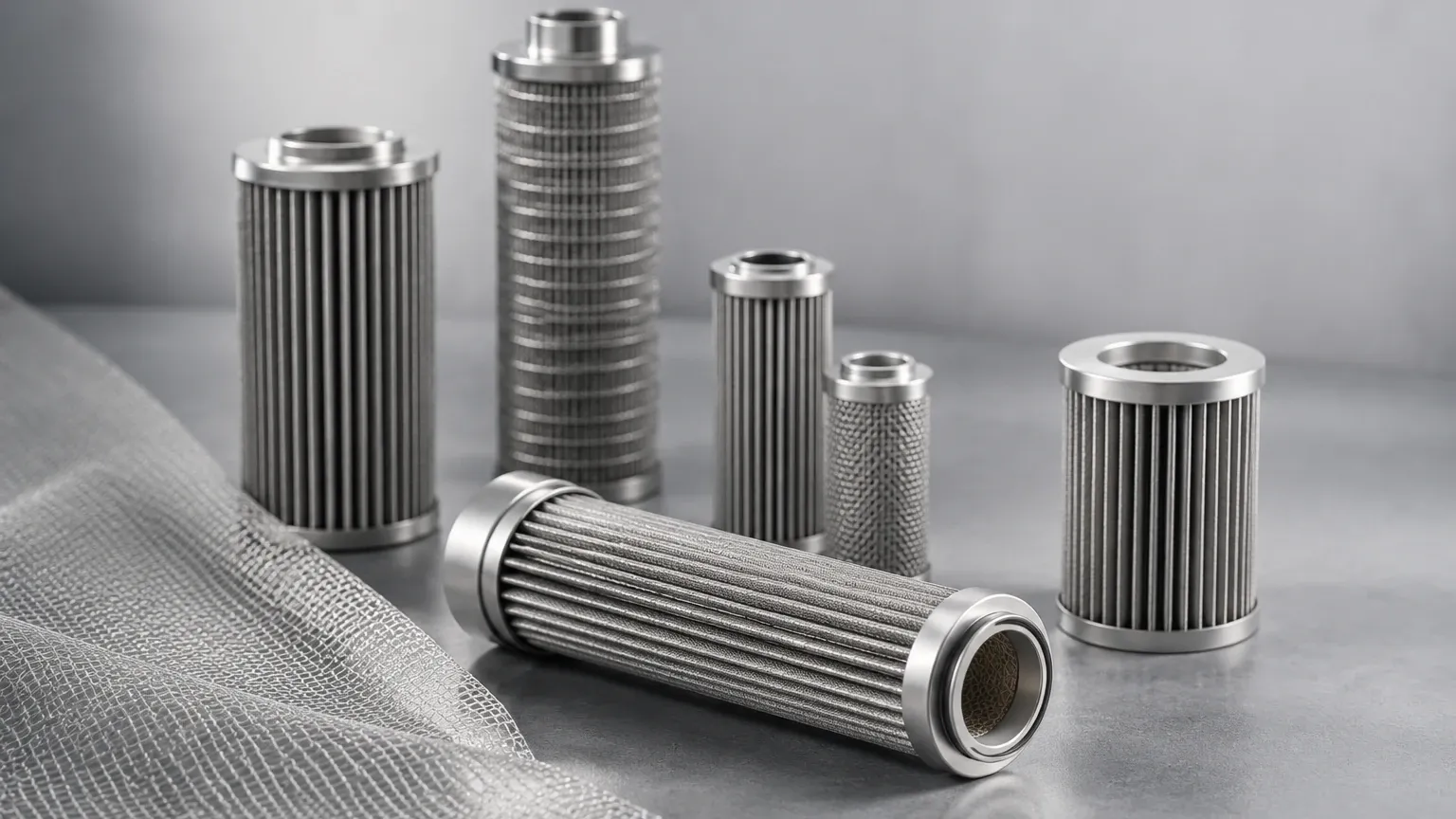
Evaluating Filter Performance and Saturation
How does an engineer determine when a filter has reached the end of its functional life? In B2B and industrial settings, this is often done via sensors. For the Litter-Robot 4, the indicators are more qualitative but no less important:
* Odor Breakthrough: The most immediate sign that the carbon's adsorption sites are fully occupied.
* Physical Degradation: If the filter pad appears brittle or is shedding carbon dust, the structural integrity of the foam base has failed.
* Moisture Saturation: A heavy, damp filter indicates that the system is struggling with humidity, which significantly hampers the chemical filtration process.
To optimize performance, it is recommended to maintain a log of replacement dates. This data allows facilities managers to predict future needs and ensure that replacement stock is always available, preventing downtime in air quality management.
Customization and OEM Solutions
For organizations operating large numbers of automated waste systems, standard off-the-shelf filters may not always meet specific operational requirements. Customization in filtration is a hallmark of industrial manufacturing. Companies like Kaifil specialize in developing tailored filtration components that meet exact micron ratings and material compatibility requirements.
When scaling up filtration needs, engineers often look for:
* Enhanced Durability: Moving from simple foam to reinforced structures.
* Specific Adsorption Profiles: Utilizing treated carbon or zeolites for specific gas-phase contaminants.
* Precision Fitment: Using CNC or laser-cutting techniques to ensure zero-bypass installation.
While the Litter-Robot 4 is a self-contained unit, the principles of custom engineering apply when sourcing replacement components in bulk. Ensuring that the media used in these replacements meets high industrial standards ensures a more consistent and reliable performance across the entire fleet of devices.
Conclusion: Maintaining System Integrity
The filter replacement for a Litter-Robot 4 is more than a simple maintenance task; it is a necessary intervention to ensure the continued functionality of a complex automated system. By applying industrial filtration logic—focusing on material density, surface area, and precise fitment—users can significantly improve the air quality and operational lifespan of their equipment.
For those involved in the procurement of filtration components, prioritizing quality over initial cost often leads to better long-term outcomes. High-performance Filter Cartridges and media replacements reduce the frequency of maintenance cycles and provide a more stable environment. Whether dealing with small-scale automated systems or large-scale industrial chemical processing, the fundamental goal remains the same: achieving precise, reliable, and durable filtration performance.
