


Filter Replacement on Whirlpool Refrigerator
Maintaining the integrity of water filtration systems is a fundamental requirement in both residential and industrial environments. For users managing appliances, understanding the technical nuances of filter replacement on whirlpool refrigerator units is the first step toward ensuring water quality and system longevity. However, from an engineering and B2B perspective, the principles governing these consumer-grade units share significant commonalities with the high-performance Filter Cartridges used in demanding industrial applications, such as chemical processing and pharmaceutical manufacturing.
This guide provides a technical overview of the replacement process, the engineering logic behind filtration cycles, and the selection criteria for high-quality filtration components.
The Role of Filter Cartridges in Water Quality Management
At the core of any water purification system, whether it is a built-in refrigerator unit or a large-scale industrial filtration skid, is the filter cartridge. In the context of a Whirlpool refrigerator, these cartridges are typically designed to address two primary types of contaminants: aesthetic impurities (such as chlorine taste and odor) and health-related contaminants (such as lead, mercury, and certain pesticides).
Most modern refrigerator filters utilize activated carbon block technology. The carbon is processed to create a vast network of microscopic pores, providing a massive surface area for adsorption. As water passes through the cartridge, chemical contaminants adhere to the carbon surfaces, while the physical structure of the block acts as a mechanical barrier to sediment and particulates. In industrial settings, while the media might shift to stainless steel mesh or sintered metal for durability, the fundamental goal remains the same: achieving a specific micron rating to protect downstream processes and end-users.
Technical Procedure for Filter Replacement on Whirlpool Refrigerator
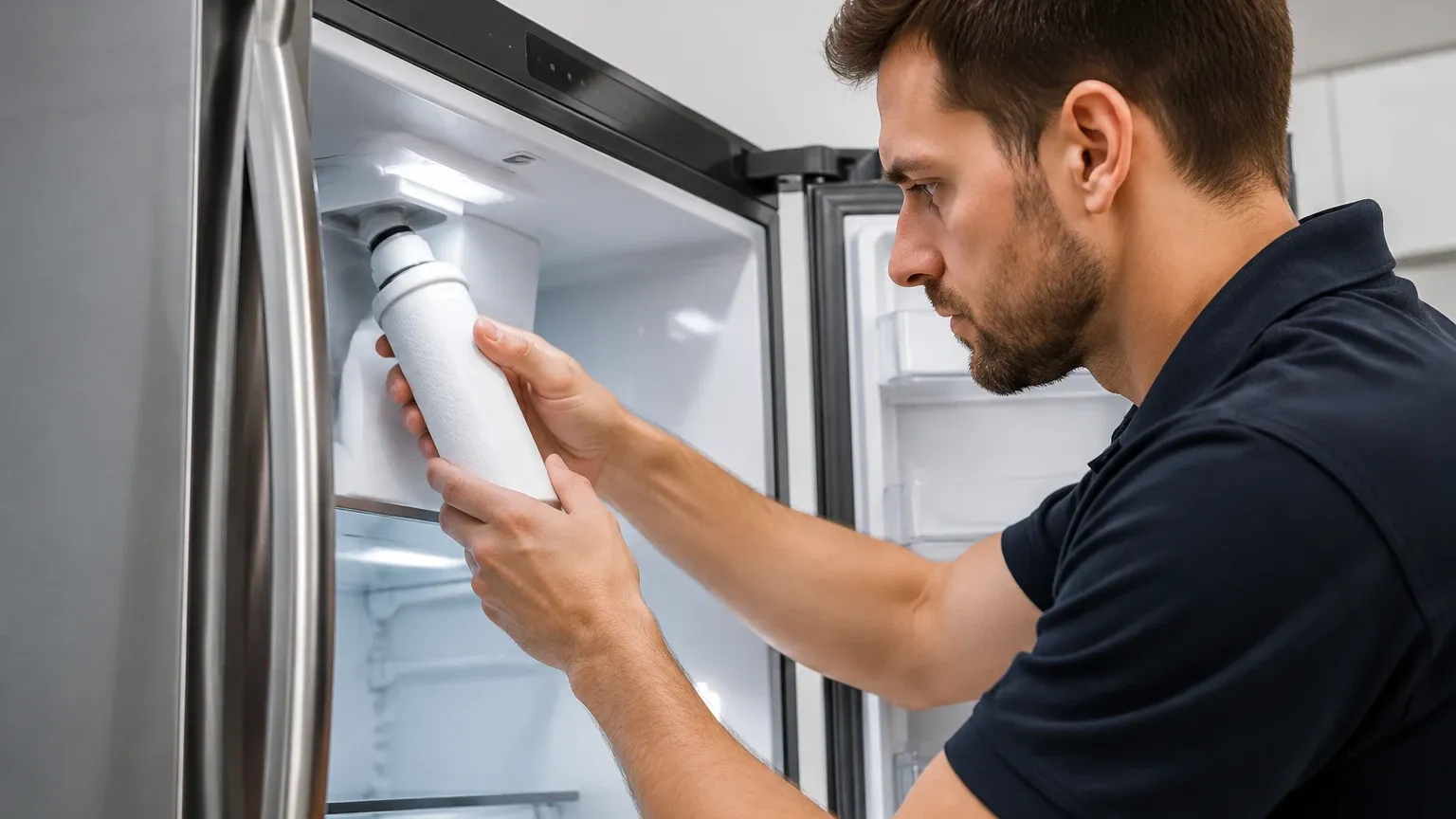
Executing a filter replacement on whirlpool refrigerator models requires precision to ensure a watertight seal and optimal flow dynamics. While specific locations (interior ceiling, base grille, or back panel) vary by model, the mechanical process follows a standardized engineering logic.
1. Locating and Accessing the Housing
Most Whirlpool units utilize a "push-button" or "quarter-turn" release mechanism. The housing is designed to be user-accessible, but it is critical to inspect the housing for any signs of stress cracking or mineral buildup before inserting a new component. In industrial filtration, this is equivalent to inspecting the filter vessel or housing for integrity before a change-out.
2. Removal and Seal Inspection
When removing the old cartridge, a small amount of water discharge is normal as the system depressurizes. It is vital to ensure that the O-rings from the old filter are removed along with the cartridge. A common failure point in filtration maintenance is the "double O-ring" scenario, where an old seal remains stuck in the head, preventing the new cartridge from seating correctly and leading to high-pressure leaks.
3. Installation and Alignment
Align the new cartridge with the grooves in the filter head. For quarter-turn models, rotate the filter clockwise until it stops. For push-in models, apply steady pressure until the locking mechanism engages. The physical feedback—a click or a firm stop—is the primary indicator of a successful mechanical connection.
4. System Flushing and Air Purge
New Filter Cartridges contain loose carbon fines and trapped air. After installation, it is necessary to flush approximately 3 to 4 gallons of water through the system. This process serves two purposes: it clears out manufacturing residuals and purges air pockets that can cause "hammering" or inconsistent flow in the dispenser lines.
Engineering Considerations: Why Timing Matters
The recommendation to perform a filter replacement on whirlpool refrigerator units every six months is not merely a marketing suggestion; it is based on the physical limitations of the filtration media. Engineers and maintenance professionals must account for three primary factors when determining replacement cycles:
* Adsorption Saturation: Activated carbon has a finite number of bonding sites. Once these sites are occupied by contaminants, the filter reaches its "breakthrough point," where it can no longer effectively remove chemical impurities.
* Pressure Drop (Delta P): As mechanical particulates (silt, scale, rust) accumulate on the surface of the filter, the resistance to flow increases. A significant pressure drop can strain the refrigerator’s internal valves and reduce the efficiency of the ice maker.
* Biofilm Development: In systems where water sits stagnant for periods, the filter can become a site for bacterial growth if not replaced regularly. While most cartridges are treated with bacteriostatic agents, these agents degrade over time.
In industrial environments, Kaifil emphasizes the importance of monitoring these parameters through pressure gauges and flow meters, a practice that mirrors the "filter status" lights found on consumer appliances.
Material Science: From Carbon Blocks to Stainless Steel Mesh
While consumer filters often rely on plastic housings and carbon media, the broader world of industrial filtration requires materials capable of withstanding extreme temperatures, high pressures, and corrosive chemicals. This is where the expertise of manufacturers like Kaifil becomes critical.
In B2B applications, Filter Cartridges are frequently constructed from 304 or 316L stainless steel. These materials offer several advantages over the disposable plastic units found in refrigerators:
1. Cleanability: Unlike carbon blocks, which must be discarded, stainless steel mesh filters can often be cleaned via backwashing or ultrasonic cleaning, reducing the total cost of ownership.
2. Structural Integrity: Industrial filters must handle high differential pressures without collapsing. Sintered metal or pleated wire mesh provides the necessary rigidity for hydraulic and chemical processing.
3. Chemical Compatibility: In pharmaceutical or food and beverage production, the filter media must be inert to ensure no leaching occurs into the product stream.
Understanding the material limits of a Whirlpool filter—typically rated for standard municipal water pressures and temperatures—helps engineers appreciate the specialized design required for more aggressive industrial fluids.
Troubleshooting Common Installation and Performance Issues
Even with a standard filter replacement on whirlpool refrigerator, technical issues can arise. Addressing these requires a systematic troubleshooting approach:
* Low Flow Post-Replacement: This is often caused by an air lock or a partially engaged bypass valve. Re-seating the filter and ensuring the water line is fully open usually resolves the issue.
* Leaking at the Connection Point: Inspect the O-rings for nicks or debris. Applying a small amount of food-grade silicone lubricant can help create a better seal, though this is rarely needed for new OEM parts.
* Persistent Odor or Taste: If flushing the system does not improve water quality, the issue may lie in the water supply lines rather than the cartridge itself. This highlights the importance of "point-of-entry" filtration in addition to "point-of-use" cartridges.
Selecting High-Performance Filtration Solutions
When purchasing replacement components, whether for a home appliance or an industrial facility, quality assurance is paramount. For refrigerator filters, looking for NSF/ANSI certifications (Standard 42 for aesthetics and Standard 53 for health effects) is the industry standard for verifying performance claims.
For procurement teams and engineers looking for robust filtration in commercial or industrial settings, the selection process involves evaluating:
* Micron Rating: Determining the size of the smallest particle the filter can reliably trap.
* Flow Rate Requirements: Ensuring the cartridge can handle the required volume without excessive pressure loss.
* Housing Compatibility: Verifying that the cartridge dimensions and end-cap configurations match existing hardware.
Kaifil provides a wide range of customized Filter Cartridges designed to meet these exact specifications, moving beyond the limitations of standard consumer-grade materials to provide durable, high-precision metal filtration solutions.
Conclusion
Performing a filter replacement on whirlpool refrigerator is a routine but essential maintenance task that mirrors the complex filtration management required in industrial sectors. By understanding the mechanics of the filter cartridge, the importance of replacement intervals, and the material science involved, users can ensure consistent water quality and equipment performance. For those operating in demanding industrial environments, transitioning from standard disposable options to precision-engineered stainless steel solutions offers enhanced durability and long-term cost savings. Whether managing a single appliance or a global manufacturing line, the principles of effective filtration remain the same: select the right media, monitor performance, and replace components before they fail.
Download Filter Replacement on Whirlpool Refrigerator as a PDF
