


Imagitarium Replacement Filter Cartridges
In the field of aquatic and specialized fluid management, the efficiency of a filtration system is fundamentally tied to the integrity and performance of its internal media. Imagitarium replacement filter cartridges represent a standardized approach to multi-stage filtration, designed to maintain specific water parameters through mechanical and chemical means. For engineers and facility managers overseeing complex aquatic environments or small-scale specialized processing units, understanding the technical specifications and replacement requirements of these components is essential for ensuring system longevity and biological stability.
Industrial filtration principles dictate that a filter is only as effective as its maintenance cycle. When dealing with integrated systems that utilize proprietary or standardized Filter Cartridges, the selection of replacement media must account for flow rates, bypass risks, and the specific contaminants targeted for removal. This technical overview examines the engineering considerations behind imagitarium replacement filter cartridges and the broader implications of cartridge selection in professional filtration applications.
Technical Architecture of Integrated Filter Cartridges
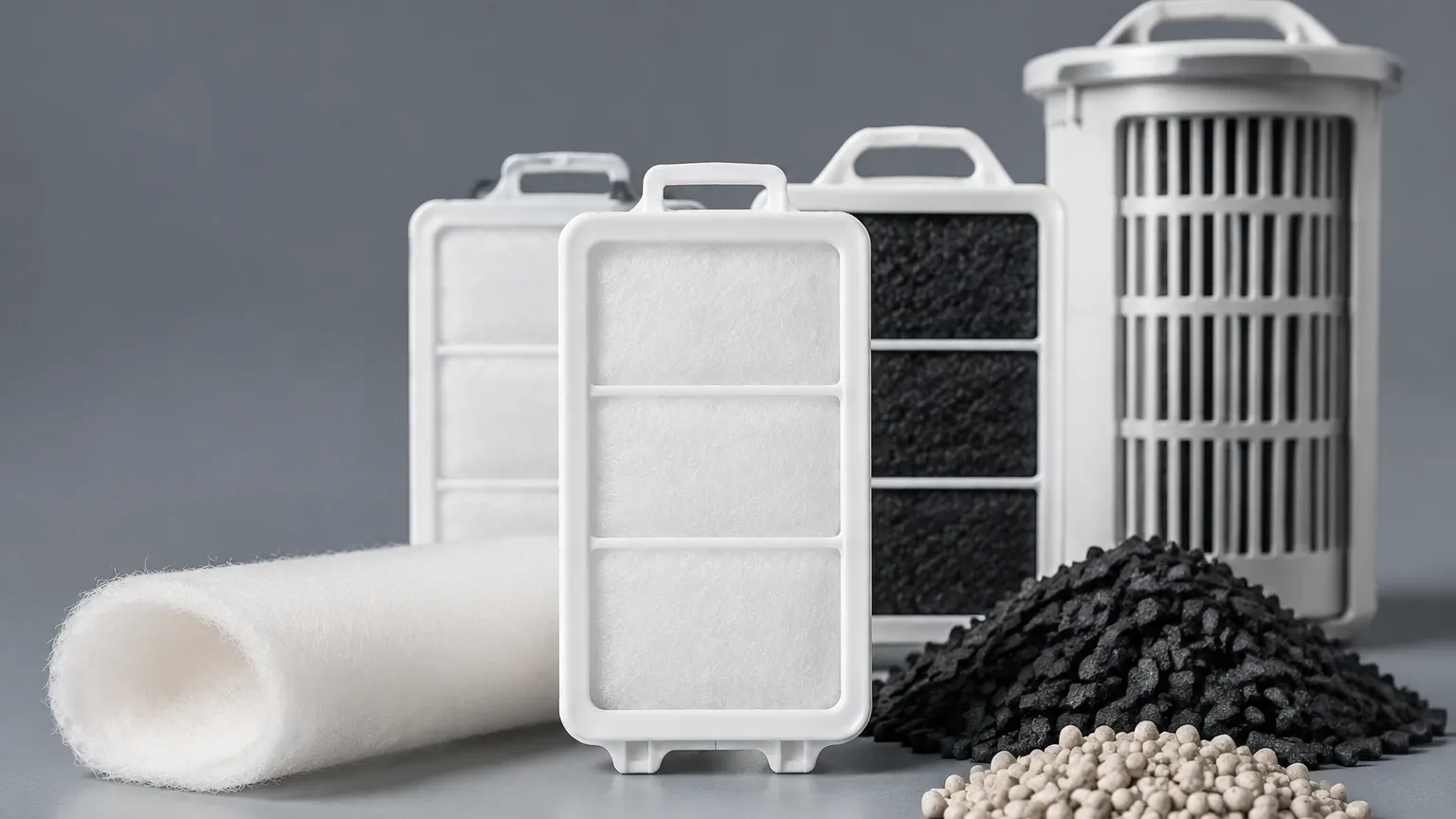
Most standardized cartridges, including those in the Imagitarium line, utilize a dual-component architecture to achieve water clarity. This design typically incorporates a mechanical barrier and a chemical adsorbent, housed within a frame designed for specific flow-through geometries.
Mechanical Filtration Media
The outer layer of these cartridges usually consists of a non-woven polyester fiber or a similar synthetic floss. From an engineering perspective, this serves as a surface and depth filter. The porosity of the fiber determines the micron rating, which is responsible for capturing suspended solids, organic debris, and particulate matter. In professional applications, the density of this fiber is critical; if the fiber is too loose, fine particles pass through, leading to turbidity. If it is too dense, the differential pressure across the cartridge increases rapidly, reducing the overall flow rate of the pump.
Chemical Adsorption Layers
Inside the mechanical sleeve, activated carbon is the primary chemical media. Activated carbon functions through adsorption, where dissolved organic compounds, tannins, and certain toxins are chemically bonded to the surface area of the carbon granules. The effectiveness of imagitarium replacement filter cartridges in this regard depends on the quality of the carbon and its contact time with the water. In industrial-grade filtration, the iodine number and surface area (m²/g) of the carbon are the metrics used to evaluate performance, ensuring that the media can effectively neutralize odors and discoloration.
Engineering Considerations for Replacement Cycles
One of the most critical aspects of managing filtration systems is the determination of replacement intervals. Unlike permanent stainless steel filters, disposable cartridges have a finite service life defined by two primary failure modes: blinding and saturation.
Blinding and Pressure Drop
As the mechanical fiber captures debris, the available pathways for fluid flow decrease. This phenomenon, known as blinding, causes an increase in resistance. In systems with fixed-speed pumps, this results in a measurable drop in flow rate (GPH/LPH). If imagitarium replacement filter cartridges are not swapped according to the manufacturer’s specifications—or sooner in high-load environments—the pump may experience increased wear due to backpressure, and the filtration efficiency will plummet as water seeks paths of least resistance, often bypassing the media entirely.
Chemical Saturation
Chemical media like activated carbon has a limited number of bonding sites. Once these sites are occupied, the media is considered "spent" or saturated. At this point, the cartridge no longer removes dissolved pollutants. In some cases, if the chemical balance of the fluid changes significantly, a saturated carbon bed can actually release captured toxins back into the stream—a process known as desorption. Regular replacement is the only engineering control available to prevent this risk in disposable systems.
Comparison: Disposable vs. Industrial Stainless Steel Filtration
For many B2B applications, the choice between disposable imagitarium replacement filter cartridges and custom-engineered stainless steel solutions depends on the scale of the operation and the nature of the fluid being processed. While disposable cartridges offer convenience and low initial costs for small-scale systems, industrial environments often require the durability of metal components.
Durability and Material Compatibility
Stainless steel filter cartridges, such as those manufactured by Kaifil, offer significant advantages in terms of temperature resistance and chemical compatibility. While synthetic fibers in standard cartridges may degrade when exposed to harsh chemicals or high temperatures, 304 or 316L stainless steel wire mesh maintains structural integrity. For engineers designing systems for chemical processing or high-pressure hydraulics, the transition from disposable media to precision metal filtration is often a requirement for operational safety.
Cleanability and Sustainability
A primary differentiator is the reusable nature of metal filters. While imagitarium replacement filter cartridges must be discarded after use, stainless steel mesh filters can be cleaned via backwashing or ultrasonic cleaning. This reduces the long-term total cost of ownership (TCO) and minimizes the environmental footprint of the facility. However, in sensitive biological applications where cross-contamination must be strictly avoided, the single-use nature of disposable cartridges remains a valid engineering choice.
Evaluating Fitment and Seal Integrity
A common point of failure in cartridge-based systems is the seal between the cartridge and the housing. If the replacement cartridge does not seat perfectly, "dirty" fluid will bypass the media, rendering the filtration process ineffective. When sourcing imagitarium replacement filter cartridges, it is vital to verify that the frame dimensions and the gasket (if applicable) meet the original equipment manufacturer (OEM) tolerances.
In industrial filtration, bypass is often mitigated through the use of O-rings and precision-machined end caps. For users of standard commercial cartridges, ensuring that the cartridge is properly aligned within the guide rails of the filter housing is the primary method of maintaining seal integrity. Any bypass not only allows contaminants to remain in the system but can also lead to the accumulation of debris within the pump impeller, causing mechanical failure.
Performance Optimization in Aquatic Systems
To maximize the performance of imagitarium replacement filter cartridges, engineers often recommend a tiered approach to filtration. This involves placing a coarse pre-filter before the cartridge to capture larger debris, thereby extending the life of the more expensive replacement cartridge.
Monitoring Flow and Water Chemistry
In a professional or laboratory setting, the replacement of cartridges should not be based solely on a calendar schedule. Instead, performance should be monitored through:
1. Flow Rate Observation: A visible decrease in output indicates mechanical blinding.
2. Water Testing: In aquatic systems, the presence of ammonia or nitrites, or a change in water color, suggests that the chemical media is no longer functional.
3. Visual Inspection: Heavy accumulation of bio-film or particulate on the outer sleeve is a clear indicator that the cartridge has reached its capacity.
Custom Filtration Solutions for Demanding Applications
While standard imagitarium replacement filter cartridges are suitable for many applications, certain industrial and high-end aquatic projects require customized filtration parameters that off-the-shelf products cannot meet. This is where the expertise of a specialized manufacturer becomes invaluable. Custom stainless steel wire mesh filters can be engineered to specific micron ratings, providing a level of precision and flow capacity that exceeds standard synthetic media.
For facilities looking to optimize their filtration processes, considering the transition to more robust Filter Cartridges can lead to improved uptime and more consistent results. Whether the application involves food and beverage processing, pharmaceutical manufacturing, or large-scale water treatment, the principles of material selection and filtration accuracy remain the same.
Conclusion: Selecting the Right Replacement Strategy
Maintaining a filtration system requires a balance between operational efficiency and cost-effectiveness. Imagitarium replacement filter cartridges provide a reliable, standardized solution for maintaining fluid quality in compatible systems. However, the responsibility lies with the technical staff to ensure that these components are replaced at appropriate intervals to prevent system degradation.
By understanding the mechanical and chemical limitations of disposable cartridges, engineers can better evaluate when a standard solution is sufficient and when a more durable, custom-engineered metal filtration component is required. In all cases, the goal remains the same: the precise removal of contaminants to protect the integrity of the downstream environment. For those managing complex industrial or commercial systems, consulting with filtration experts can provide insights into material compatibility and design optimizations that go beyond standard replacement cycles, ensuring that every component of the filtration train is performing at its peak technical capacity.
