


Intex Pool Filter Cartridges
Filtration is a fundamental requirement in any liquid management system, whether it is maintaining a residential swimming pool or managing complex industrial chemical processes. The efficiency of these systems often rests on the performance of individual components, most notably the filter media. While many users are familiar with standard consumer-grade solutions such as intex pool filter cartridges, the engineering principles governing these products provide a gateway to understanding the more rigorous demands of industrial filtration.
In the professional and industrial sectors, the selection of Filter Cartridges is a critical decision that impacts operational uptime, product purity, and total cost of ownership. This article examines the technical specifications of cartridge filtration, the limitations of disposable media, and the transition toward high-performance stainless steel solutions for demanding environments.
Understanding the Mechanics of Cartridge Filtration
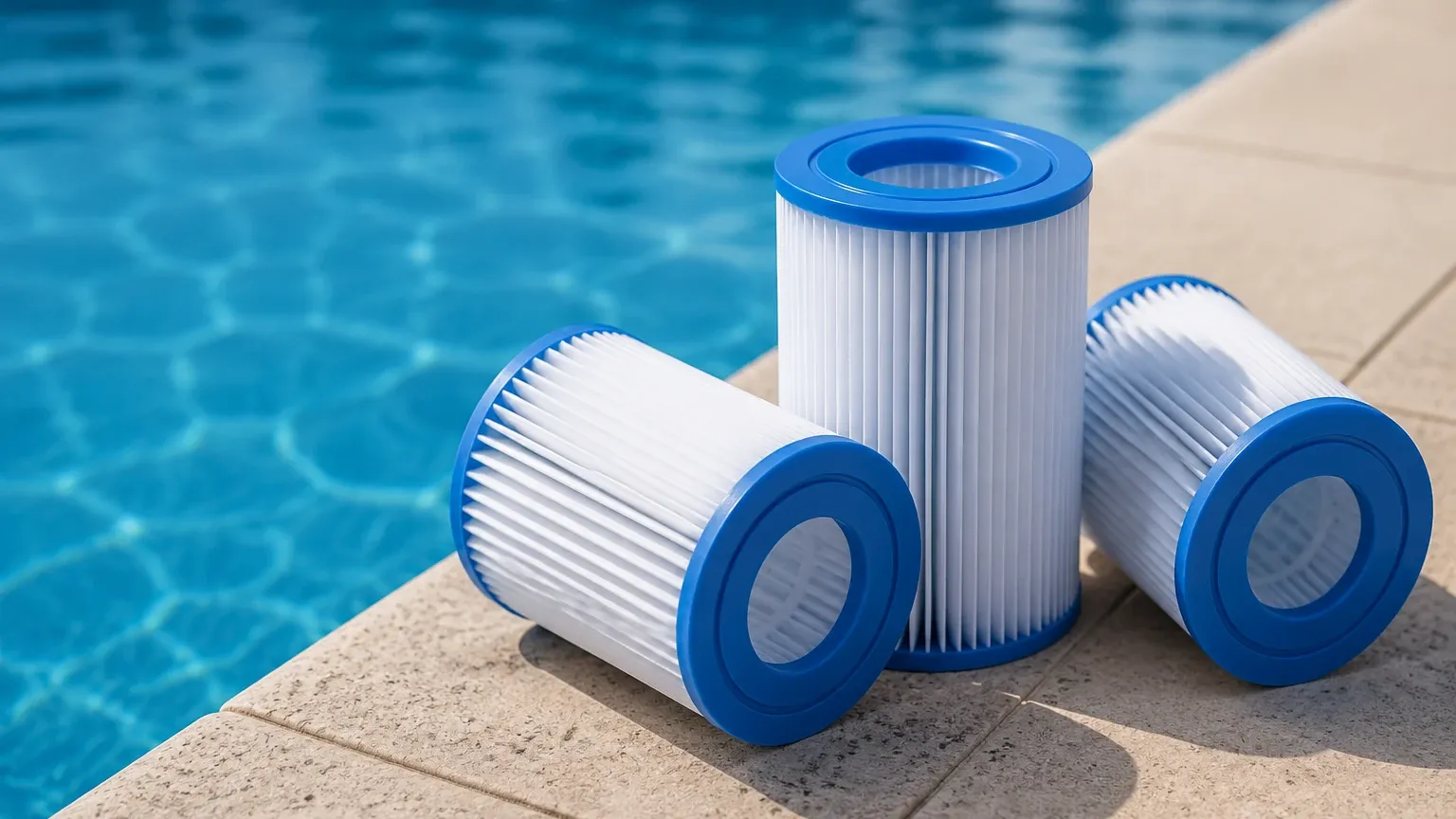
At its core, a filter cartridge is a replaceable piece of equipment designed to remove solid particles from a fluid stream. The process generally relies on mechanical straining, where the pore size of the media determines the size of the particles captured. In residential applications, such as those utilizing intex pool filter cartridges, the media is typically a pleated synthetic fabric or paper. These are designed for surface filtration, where debris is trapped on the outer layers of the pleats.
In industrial settings, the mechanics become more complex. Engineers must account for variables such as fluid viscosity, flow velocity, and the nature of the contaminants. While a pool filter primarily deals with organic matter and fine silt, industrial cartridges may handle abrasive metal shavings, corrosive chemicals, or high-temperature steam. Consequently, the "one-size-fits-all" approach of consumer cartridges is replaced by highly specialized designs that utilize various materials, including polypropylene, glass fiber, and most durably, stainless steel wire mesh.
The Limitations of Disposable Media: From Pools to Plants
The widespread use of intex pool filter cartridges highlights the convenience of disposable filtration. These cartridges are designed to be used for a few weeks, rinsed occasionally, and then discarded once the fibers become saturated or the structural integrity of the plastic end-caps fails. This model works for low-pressure, ambient-temperature water filtration where the cost of replacement is relatively low.
However, when these same principles are applied to industrial manufacturing, the limitations of disposable media become apparent:
1. Structural Vulnerability: Synthetic and paper media can collapse under high differential pressure. In a hydraulic system or a high-flow chemical line, a collapsed filter can lead to catastrophic bypass, where unfiltered fluid enters sensitive downstream equipment.
2. Chemical Incompatibility: Many disposable cartridges use adhesives and plastic components that degrade when exposed to solvents, oils, or extreme pH levels.
3. Thermal Constraints: Standard pool-grade or commercial plastic filters typically cannot operate in environments exceeding 60°C (140°F) without risking deformation or leaching.
4. Environmental and Economic Waste: In a high-volume industrial plant, the constant disposal of spent cartridges creates a significant waste stream and recurring procurement costs that often exceed the initial investment of a permanent filtration solution.
Engineering Advantages of Stainless Steel Filter Cartridges
To address the shortcomings of disposable media, many industrial facilities transition to stainless steel Filter Cartridges. These components are engineered for durability, precision, and reusability. Unlike the polyester used in intex pool filter cartridges, stainless steel (typically Grade 304 or 316L) offers a range of technical advantages essential for B2B applications.
High Temperature and Pressure Resistance
Stainless steel cartridges can withstand temperatures ranging from cryogenic levels to over 500°C. Furthermore, their rigid construction allows them to maintain pore geometry even under high differential pressure, ensuring consistent filtration accuracy throughout the production cycle.
Precision Micron Ratings
Industrial filtration requires exactness. While consumer filters may have broad, nominal ratings, precision metal filters can be manufactured with absolute micron ratings. This means that 100% of particles above a specific size are successfully captured. This is achieved through various manufacturing techniques, including:
* Sintered Wire Mesh: Multiple layers of stainless steel mesh are fused together under heat and pressure to create a robust, porous structure.
* Wedge Wire: V-shaped profiles are welded to support rods, creating a non-clogging surface ideal for high-viscosity fluids.
* Perforated Metal: Used primarily as a support layer or for coarse filtration tasks.
Chemical Passivity
In the pharmaceutical and food and beverage industries, material leaching is a primary concern. Stainless steel is chemically inert to a wide variety of fluids, ensuring that the filter media does not contaminate the product it is intended to purify.
Selection Criteria: Evaluating Filtration Performance
When moving beyond basic applications like maintaining intex pool filter cartridges, engineers must evaluate several key performance indicators (KPIs) to select the correct filtration component. Choosing the wrong cartridge can lead to frequent clogging (blinding), reduced flow rates, and increased energy consumption by the pump system.
1. Flow Rate vs. Pressure Drop
Every filter introduces resistance to the fluid flow, known as pressure drop ($ΔP$). A well-designed cartridge maximizes the surface area—often through pleating—to allow for high flow rates while keeping the initial pressure drop low. As the filter collects debris, the $ΔP$ increases. In industrial systems, monitoring this change is vital for determining when a cleaning cycle or replacement is required.
2. Dirt Holding Capacity
This refers to the total volume of contaminants a cartridge can retain before it reaches its maximum allowable pressure drop. Sintered metal cartridges often provide superior dirt-holding capacity compared to simple mesh screens because the multi-layered structure allows for depth filtration, trapping particles within the thickness of the media rather than just on the surface.
3. Cleaning and Regeneration
One of the most significant differences between industrial metal filters and disposable intex pool filter cartridges is the ability to regenerate the media. Stainless steel cartridges can be cleaned using several methods:
* Backwashing: Reversing the flow of fluid to dislodge particles from the surface.
* Ultrasonic Cleaning: Using high-frequency sound waves in a solvent bath to remove fine particles from deep within the mesh.
* Chemical Cleaning: Using specialized detergents or acids to dissolve organic or mineral buildup without damaging the metal structure.
Maintenance and Life Cycle Management
Proper maintenance is the determining factor in the longevity of any filtration system. For residential users, maintaining intex pool filter cartridges involves routine rinsing to remove hair, oils, and sediment. If neglected, the pump must work harder, leading to increased electricity costs and potential motor failure.
In the B2B context, maintenance is more rigorous and data-driven. Industrial operators utilize pressure sensors and flow meters to automate the maintenance schedule. When a stainless steel Filter Cartridges reaches its terminal pressure drop, it is removed for professional cleaning. This circular approach not only reduces the cost per gallon filtered but also aligns with corporate sustainability goals by minimizing landfill waste.
Common signs that a cartridge requires attention include:
* A noticeable drop in downstream pressure.
* Reduced flow velocity at the outlet.
* Visible deformation of the cartridge housing or end-caps.
* The presence of contaminants in the final product (indicating a breach or bypass).
Customization and OEM Solutions
While intex pool filter cartridges are produced in standard sizes to fit specific consumer pump models, industrial applications often require bespoke solutions. Customization allows engineers to optimize the filtration system for specific space constraints and performance requirements.
Customization options typically include:
* End-Cap Configurations: Options such as 222, 226, or threaded connections to ensure a leak-proof seal within existing housings.
* Alloy Selection: Using 316L for superior corrosion resistance in marine or acidic environments, or specialized alloys like Monel or Hastelloy for extreme chemical processing.
* Reinforcement: Adding internal cores or external cages to protect the filter media in high-vibration or high-surge environments.
By working with a specialized manufacturer, purchasing teams can develop OEM filtration components that are tailored to the exact specifications of their machinery, ensuring higher efficiency than generic off-the-shelf alternatives.
Conclusion: Making the Informed Choice
Whether you are managing the clarity of a recreational water system or the purity of an industrial chemical line, the choice of filter media is paramount. While disposable options like intex pool filter cartridges serve their purpose in low-demand environments, the rigors of modern industry require the durability and precision of engineered metal solutions.
By understanding the relationship between material science, flow dynamics, and maintenance requirements, technical professionals can select Filter Cartridges that provide reliable, long-term performance. Investing in high-quality stainless steel filtration not only protects downstream equipment but also optimizes the entire production process, leading to significant cost savings and improved product quality over time.
