


Lay Z Spa Filter Cartridges
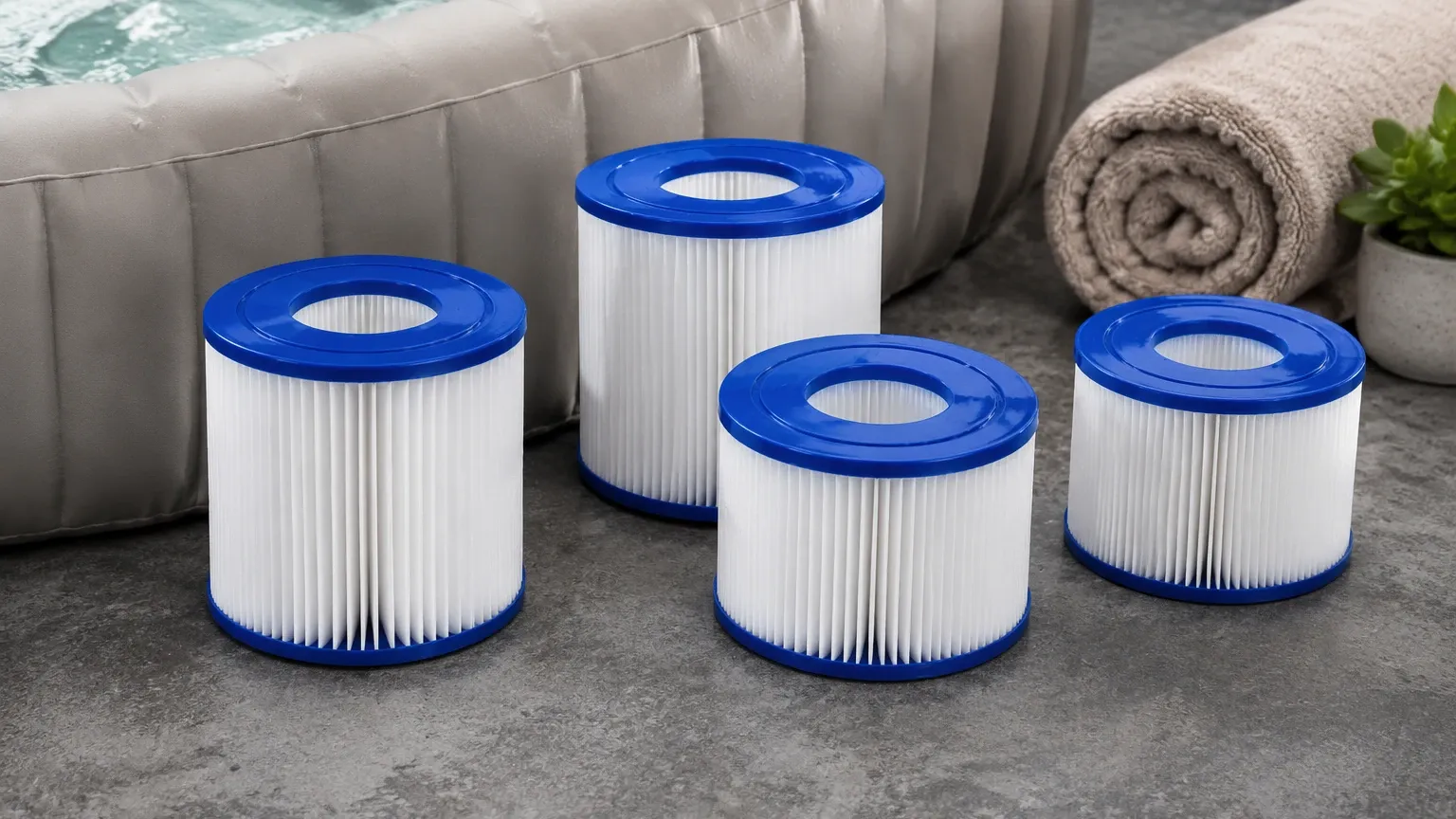
In the realm of recreational water treatment and compact filtration systems, the performance of the filtration media is the primary determinant of water clarity and equipment longevity. While often associated with residential use, the engineering principles governing lay z spa filter cartridges are deeply rooted in industrial fluid dynamics. For facility managers, OEM designers, and procurement specialists in the hospitality or leisure sectors, understanding the technical specifications, material limitations, and hydraulic impacts of these components is essential for maintaining system efficiency.
Industrial-grade filtration solutions often provide the benchmark for these smaller-scale applications. At Kaifil, we specialize in high-performance Filter Cartridges designed for demanding environments. By applying industrial engineering standards to the evaluation of spa filtration, professionals can better manage maintenance cycles and optimize the total cost of ownership (TCO) for their water treatment systems.
Technical Composition and Media Selection
The effectiveness of lay z spa filter cartridges depends heavily on the filtration media used. Most standard cartridges utilize a pleated non-woven polyester or paper-based media. From an engineering perspective, the pleating is a strategic design choice intended to maximize the effective filtration area (EFA) within a constrained cylindrical volume.
Surface Area vs. Volumetric Flow
A higher surface area allows for a lower face velocity across the media. This is critical because it reduces the likelihood of "particle breakthrough," where high pressure forces contaminants through the media pores. In professional applications, calculating the ratio of surface area to the pump’s flow rate is the first step in determining if a cartridge is fit for purpose. If the EFA is too low for the pump's output, the resulting high velocity will lead to rapid clogging and premature media failure.
Micron Ratings and Nominal Filtration
Most consumer-grade spa filters are rated for nominal filtration, typically ranging from 20 to 50 microns. In an industrial context, nominal ratings imply that the filter will capture a significant percentage of particles at that size, but not 100%. For facilities requiring higher water purity—such as medical hydrotherapy pools or high-traffic commercial spas—upgrading to cartridges with more precise pore structures or multi-layer media may be necessary to manage fine particulates and organic debris effectively.
Hydraulic Performance and Pressure Drop
One of the most overlooked aspects of lay z spa filter cartridges is their impact on the overall hydraulic circuit. Every filter introduces a degree of resistance, known as pressure drop (ΔP).
Clean vs. Dirty Pressure Drop
An initial pressure drop is expected even with a brand-new cartridge. However, as the media captures oils, skin cells, and environmental debris, the ΔP increases. In industrial systems, we monitor this differential pressure to determine the exact moment a filter requires cleaning or replacement. For spa systems, an excessive pressure drop places undue stress on the circulation pump, leading to increased energy consumption and potential motor burnout.
Flow Resistance and Pump Curves
Engineers must ensure that the chosen filter cartridge does not push the pump too far back on its performance curve. If the resistance of the lay z spa filter cartridges is too high, the flow rate (GPM/LPM) will drop below the level required for effective heating and chemical distribution. This creates a cascading failure where water chemistry becomes unbalanced due to poor mixing, further straining the filtration media with algae or mineral scale.
Material Durability in Chemically Treated Environments
Filter cartridges in spa applications operate in a harsh chemical environment. The media and the structural components (end caps and inner cores) must withstand constant exposure to chlorine, bromine, and various pH balancers.
Chemical Degradation of Media
Standard polyester media can eventually undergo hydrolysis or chemical weakening. This results in the fibers fraying or the pleats collapsing. When pleats collapse, the effective filtration area is drastically reduced, causing the system to operate as if the filter is severely clogged even if it appears clean.
Structural Integrity of the Core
The central core of the cartridge must be rigid enough to resist the inward pressure exerted by the pump. In low-quality lay z spa filter cartridges, the core may deform or crack, allowing unfiltered water to bypass the media entirely. For high-demand B2B applications, selecting cartridges with reinforced polypropylene or even stainless steel internal supports is a common practice to ensure bypass-free operation.
Maintenance Protocols and Lifecycle Management
For B2B entities managing multiple units, a reactive maintenance strategy—waiting for the water to turn cloudy before changing a filter—is inefficient and costly. A proactive approach based on technical benchmarks is required.
1. Scheduled Rinsing: Regular removal of surface debris prevents the "caking" of the media, which can permanently reduce permeability.
2. Chemical Degreasing: Since spas are prone to body oils and lotions, simple water rinsing is often insufficient. Professional-grade surfactant soaks are required to break down the lipid layers that blind the filter pores.
3. Replacement Thresholds: Even with cleaning, the fibers of the media will eventually become saturated with microscopic particles that cannot be removed. Establishing a replacement cycle based on operating hours rather than visual inspection ensures consistent water quality.
In industrial settings, the move toward reusable metal media is gaining traction. While traditional lay z spa filter cartridges are disposable, many industrial processes utilize stainless steel wire mesh Filter Cartridges that can be ultrasonically cleaned and reused indefinitely, offering a more sustainable and durable alternative for high-load systems.
Comparative Analysis: Disposable vs. Permanent Filtration
When evaluating filtration for large-scale spa installations or specialized OEM equipment, engineers often weigh the pros and cons of disposable pleated cartridges versus permanent metal filtration solutions.
| Feature | Pleated Polyester (Standard) | Stainless Steel Wire Mesh (Industrial) |
| :— | :— | :— |
| Initial Cost | Low | High |
| Filtration Type | Depth/Surface Hybrid | Surface (Precision) |
| Durability | Moderate (Chemical sensitive) | High (Chemical resistant) |
| Maintenance | Disposable/Limited cleaning | Fully Cleanable/Reusable |
| Pressure Stability | May deform under high ΔP | Rigid and stable |
For standard recreational use, the disposable nature of lay z spa filter cartridges provides convenience. However, for industrial-scale water features or commercial hydrotherapy, the structural integrity of stainless steel components manufactured by specialists like Kaifil provides a level of reliability that non-woven fabrics cannot match.
Engineering Considerations for OEM and Custom Applications
For companies developing new spa equipment or specialized water treatment skids, the selection of the filter housing and the corresponding cartridge is a critical design phase. Relying on standard off-the-shelf lay z spa filter cartridges may limit the machine's performance in professional environments.
Custom Sizing and Micron Ratings
OEMs often require specific dimensions to fit proprietary housing designs. Customization allows for the optimization of the filtration grade to match the specific pump and heater specifications of the unit. By working with a manufacturer that understands metal fabrication and precision mesh, designers can create filtration systems that are both compact and highly efficient.
Integration of Pre-filtration
In high-load environments, using a single cartridge to handle all debris can lead to rapid failure. Engineers often implement a multi-stage approach, where a coarse stainless steel mesh acts as a pre-filter to protect the finer pleated Filter Cartridges. This staged approach extends the life of the primary filter and ensures the system remains operational for longer intervals.
Conclusion: Optimizing Filtration Performance
Selecting the right lay z spa filter cartridges involves more than simply matching a part number. It requires a technical understanding of media science, fluid hydraulics, and material compatibility. Whether you are managing a fleet of rental units, a commercial wellness center, or designing new aquatic equipment, prioritizing the quality of the filtration component is the most effective way to ensure water safety and equipment reliability.
At Kaifil, we bring industrial-grade precision to the world of filtration. While standard consumer cartridges serve a specific market, our focus remains on providing robust, high-performance Filter Cartridges and custom metal filtration solutions that meet the rigorous demands of professional and industrial applications. By applying these engineering standards to your water treatment strategy, you can achieve superior clarity, reduced downtime, and a more sustainable operation.
