


Maxtra Pro Filter Cartridges
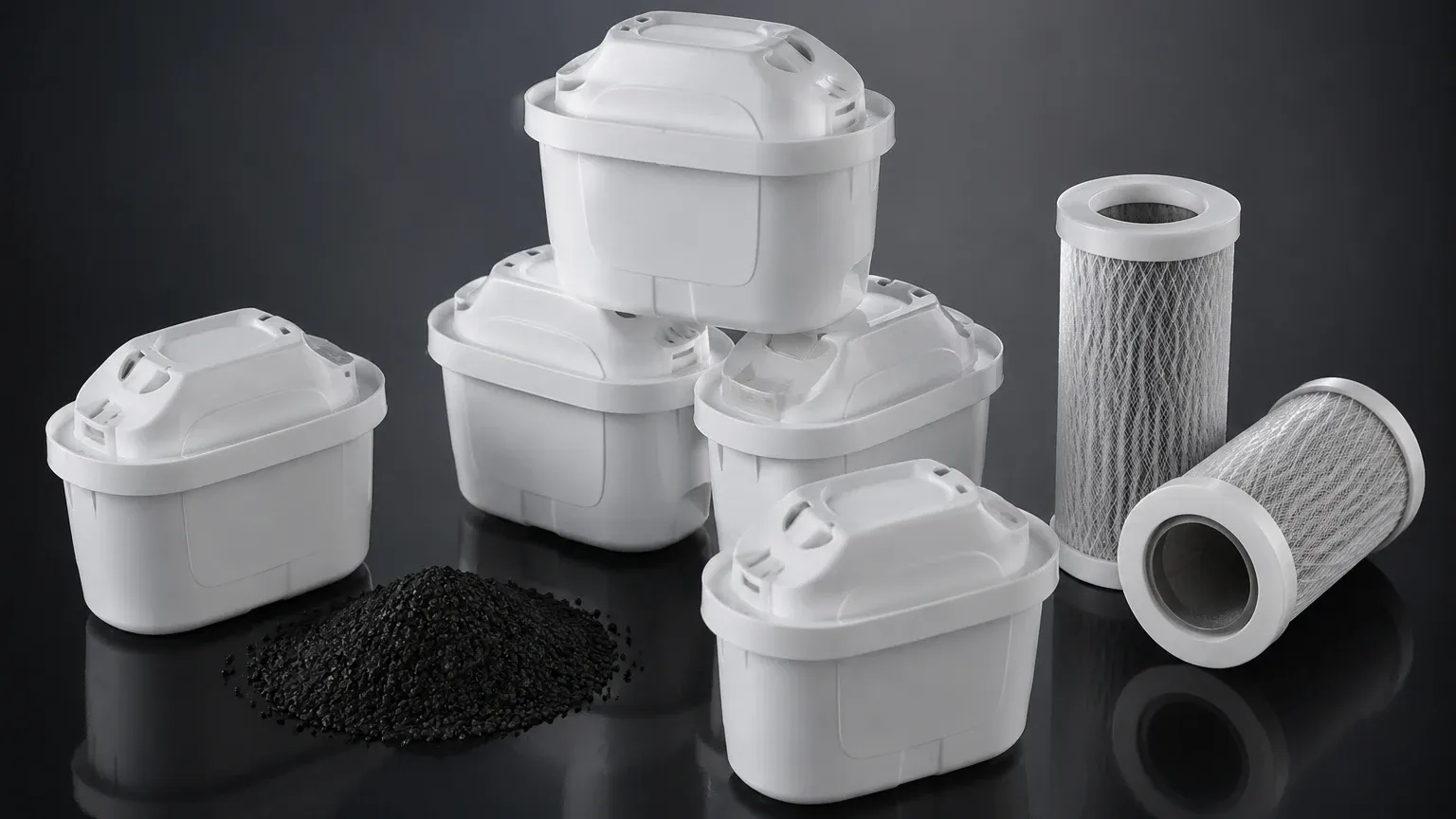
In the landscape of water treatment and fluid processing, the term "Maxtra Pro filter cartridges" often represents the benchmark for point-of-use water purification. While these components are widely recognized in consumer markets for their ability to reduce chlorine, limescale, and heavy metals in drinking water, the underlying principles of their design offer a gateway into the broader, more complex world of industrial filtration. For engineers and procurement specialists, understanding the technical nuances of these cartridges—and how they compare to heavy-duty industrial Filter Cartridges—is essential for optimizing process efficiency and ensuring product purity.
Industrial filtration demands a level of durability, chemical resistance, and thermal stability that far exceeds the requirements of domestic applications. As manufacturing processes in sectors like pharmaceutical production, chemical processing, and food and beverage become more stringent, the transition from standard consumer-grade technology to precision-engineered stainless steel solutions becomes a critical engineering decision.
The Evolution of Modern Filtration Media
The technology behind Maxtra Pro filter cartridges utilizes a multi-stage approach to filtration. Typically, this involves a fine mesh for particle retention, followed by ion-exchange pearls to reduce carbonate hardness and metals like copper and lead, and finally, micro-carbon pearls derived from coconut shells to adsorb organic impurities and chlorine. This layered strategy is highly effective for improving the organoleptic properties of water.
In an industrial context, however, the filtration media must withstand significantly higher pressure differentials and aggressive chemical environments. Kaifil specializes in translating these multi-stage filtration concepts into robust metal structures. Instead of plastic housings and loose carbon granules, industrial systems often utilize sintered wire mesh or pleated stainless steel media. These materials provide a fixed pore structure that prevents "channeling"—a common failure mode in granular media where fluid bypasses the treatment zones. By utilizing high-grade 304 or 316L stainless steel, industrial cartridges ensure that the filtration efficiency remains constant even under fluctuating flow rates and high-pressure surges.
Comparing Consumer-Grade and Industrial Filter Cartridges
When evaluating Maxtra Pro filter cartridges against industrial-grade alternatives, several engineering distinctions emerge. The most prominent is the mechanical integrity of the housing and the filter media itself. Consumer cartridges are designed for atmospheric pressure or low-pressure gravity-fed systems. In contrast, industrial filter cartridges must operate within pressurized vessels, often exceeding 10 bar (145 psi).
Structural Differences
* Housing Material: Consumer units typically use BPA-free plastics, which are cost-effective but susceptible to thermal degradation and chemical attack. Industrial solutions utilize corrosion-resistant alloys that can handle temperatures exceeding 200°C.
* Sealing Mechanisms: While consumer cartridges often rely on simple friction fits or basic O-rings, industrial variants use precision-machined end caps with specialized gaskets (EPDM, Viton, or PTFE) to ensure zero bypass in critical applications.
* Backwashing Capability: Most consumer-grade cartridges are strictly disposable. Industrial stainless steel cartridges are often designed to be cleaned and reused through ultrasonic cleaning or backpulsing, significantly reducing the long-term environmental impact and operational expenditure.
Technical Specifications: Micron Ratings and Flow Dynamics
A critical factor in selecting any filtration component is the micron rating. Maxtra Pro filter cartridges are generally optimized for the removal of fine particles and dissolved solids relevant to potable water. However, in industrial engineering, the distinction between "absolute" and "nominal" micron ratings is paramount.
An absolute rating indicates that the filter will retain 99.9% of particles at a specific size, whereas a nominal rating is an average. For high-purity applications, such as the protection of RO (Reverse Osmosis) membranes or the filtration of parenteral drugs, engineers must specify absolute-rated stainless steel cartridges. Kaifil’s manufacturing process allows for the production of wire mesh filters with precise pore sizes ranging from 1 micron to several hundred microns, providing a level of predictability that is essential for process validation.
Flow dynamics also play a major role. The internal geometry of the cartridge must be designed to minimize pressure drop (Delta P). A high initial pressure drop reduces the available service life of the filter and increases energy consumption for pumps. By utilizing pleated designs, the effective surface area of the filter is maximized, allowing for higher flow velocities without compromising filtration efficiency.
Material Integrity in Demanding Industrial Environments
While the carbon and ion-exchange resins in Maxtra Pro filter cartridges are ideal for domestic water, they are often incompatible with the solvents, acids, and bases found in industrial streams. This is where the material science of stainless steel becomes indispensable.
In chemical processing, for instance, the presence of corrosive agents requires materials that can maintain their structural integrity without leaching contaminants into the process stream. 316L stainless steel, with its addition of molybdenum, provides superior resistance to pitting and crevice corrosion in chloride-rich environments. Furthermore, in food and beverage applications, the filtration media must be "food-safe" and capable of withstanding Clean-in-Place (CIP) or Steam-in-Place (SIP) sterilization cycles. Stainless steel filter cartridges can be subjected to high-pressure steam at 121°C or 134°C repeatedly without loss of performance, a feat impossible for plastic-based consumer cartridges.
Customization: Engineering Solutions for Specific Applications
One of the primary limitations of standardized products like Maxtra Pro filter cartridges is the lack of flexibility in design. Industrial applications rarely follow a one-size-fits-all model. Every system has unique constraints regarding space, flow rate, viscosity, and contaminant loading.
Kaifil’s OEM capabilities allow engineers to customize every aspect of the filter cartridge:
1. End Cap Configurations: Compatibility with existing housings (DOE, Code 7, 222/Flat, etc.).
2. Reinforcement Cores: Internal support structures to prevent collapse under high differential pressure.
3. Multi-Layered Sintering: Combining different mesh counts to create a depth-filtration effect within a single metal element.
4. Length and Diameter: Custom sizing to fit non-standard filter vessels or to increase the total filtration area within a confined footprint.
This level of customization ensures that the filtration solution is integrated seamlessly into the existing infrastructure, rather than forcing the infrastructure to adapt to a standardized cartridge.
Maintenance and Lifecycle Management in Industrial Filtration
For purchasing teams, the "total cost of ownership" (TCO) is a more vital metric than the initial purchase price. While consumer cartridges are inexpensive upfront, their frequent replacement cycles lead to high cumulative costs. In an industrial setting, the labor costs associated with frequent filter changes and the potential for production downtime can be astronomical.
Industrial stainless steel filter cartridges offer a different economic profile. Although the initial investment is higher, the ability to clean and regenerate the media extends the service life to several years in many cases. Effective maintenance involves monitoring the differential pressure across the filter. Once the Delta P reaches a predetermined limit, the cartridge is removed for cleaning.
Common Cleaning Methods for Metal Cartridges:
* Ultrasonic Cleaning: Using high-frequency sound waves in a cleaning solvent to dislodge fine particles trapped within the mesh.
* Chemical Cleaning: Using acids or alkalis to dissolve organic or inorganic scaling.
* High-Pressure Water Jetting: Effective for removing surface-level cake or large debris.
By implementing a robust maintenance schedule, facilities can ensure that their filtration systems operate at peak efficiency, reducing the risk of downstream contamination and equipment failure.
Risk Mitigation and Quality Assurance
In B2B environments, the risks associated with filtration failure include product recalls, equipment damage, and safety hazards. Therefore, the selection of filter cartridges must be backed by rigorous quality assurance. Unlike consumer products that may rely on general certifications, industrial filters often require material traceability (MTRs), pressure test reports, and certificates of compliance with industry standards such as FDA or EU food contact regulations.
Before finalizing a purchase, engineers should confirm the compatibility of the filter media with the fluid's pH, temperature, and viscosity. It is also essential to verify the "dirt-holding capacity" of the cartridge. A filter that clogs too quickly, even if it has the correct micron rating, will lead to inefficient operations. High-performance stainless steel cartridges are engineered to balance fine filtration with a high void volume, ensuring a longer time between cleaning cycles.
Conclusion: Selecting the Right Filtration Partner
Whether you are exploring the technology behind Maxtra Pro filter cartridges for small-scale applications or seeking high-performance industrial Filter Cartridges for a large-scale manufacturing plant, the fundamental goal remains the same: the reliable removal of impurities.
For industrial professionals, the choice is clear. When the environment is demanding and the stakes are high, the transition to custom-engineered stainless steel solutions is necessary. Kaifil provides the technical expertise and manufacturing precision required to develop filtration components that meet the exact needs of your application. By focusing on material quality, engineering precision, and customized designs, Kaifil helps global customers achieve durable and cost-effective filtration performance across the most challenging industrial sectors.
