


Nato-standard 40mm Filter Cartridges
In the landscape of industrial safety and specialized filtration, standardization is the cornerstone of reliability and interoperability. Among the various specifications used globally, the nato-standard 40mm filter cartridges represent a critical benchmark for respiratory protection and gas filtration systems. Known technically by standards such as STANAG 4155 or DIN EN 148-1, the 40mm x 1/7" threaded connection has become the universal interface for connecting filter elements to masks, powered air-purifying respirators (PAPR), and specialized industrial filtration manifolds.
For engineers and procurement professionals in the chemical, pharmaceutical, and defense sectors, understanding the technical nuances of these filter cartridges is essential. While often associated with tactical applications, the 40mm standard is widely utilized in industrial environments where hazardous vapors, particulates, and toxic gases require high-efficiency removal. Selecting the right Filter Cartridges involves more than just matching a thread; it requires a deep dive into material compatibility, filtration media performance, and the structural integrity of the cartridge housing.
The Technical Foundation of the 40mm Interface
The "40mm" designation refers specifically to the diameter of the threaded connection. The most common iteration is the Rd 40 (Round Thread 40mm), which features a pitch of 1/7 of an inch. This specific geometry was designed to ensure a robust, airtight seal that can be manually tightened without the need for specialized tools, yet remains secure under vibration or physical stress.
STANAG 4155 and DIN EN 148-1
The nato-standard 40mm filter cartridges are governed by two primary regulatory frameworks. STANAG 4155 is the NATO Standardization Agreement that dictates the requirements for the threads used on respiratory protective equipment. In the civilian and industrial sectors, DIN EN 148-1 serves as the equivalent standard. These standards ensure that a cartridge manufactured in one region will fit perfectly into a device manufactured in another, providing a global supply chain safety net for critical filtration components.
From an engineering perspective, the precision of these threads is paramount. Any deviation in the thread profile can lead to bypass—where unfiltered air enters the breathing zone—rendering the entire filtration system useless. This is why high-quality manufacturing processes, often involving CNC machining or precision molding, are required to meet the strict tolerances of the 40mm standard.
Material Engineering in Industrial Filter Cartridges
While many standard 40mm cartridges are constructed from lightweight polymers or aluminum, industrial applications often demand more rugged materials. This is where the expertise of specialized manufacturers like Kaifil becomes vital. In environments involving corrosive chemicals, extreme temperatures, or high-pressure cleaning cycles, stainless steel components offer significant advantages.
Stainless Steel vs. Polymer Housings
1. Chemical Resistance: Stainless steel (specifically 304 or 316L grades) provides superior resistance to a wide range of organic and inorganic chemicals that might degrade standard plastic housings.
2. Durability: In heavy industrial settings, filter cartridges are subject to physical impact. Metal housings prevent cracking or threading damage that could lead to seal failure.
3. Thermal Stability: Industrial processes often generate heat. Stainless steel maintains its structural integrity at temperatures where polymers would soften or off-gas.
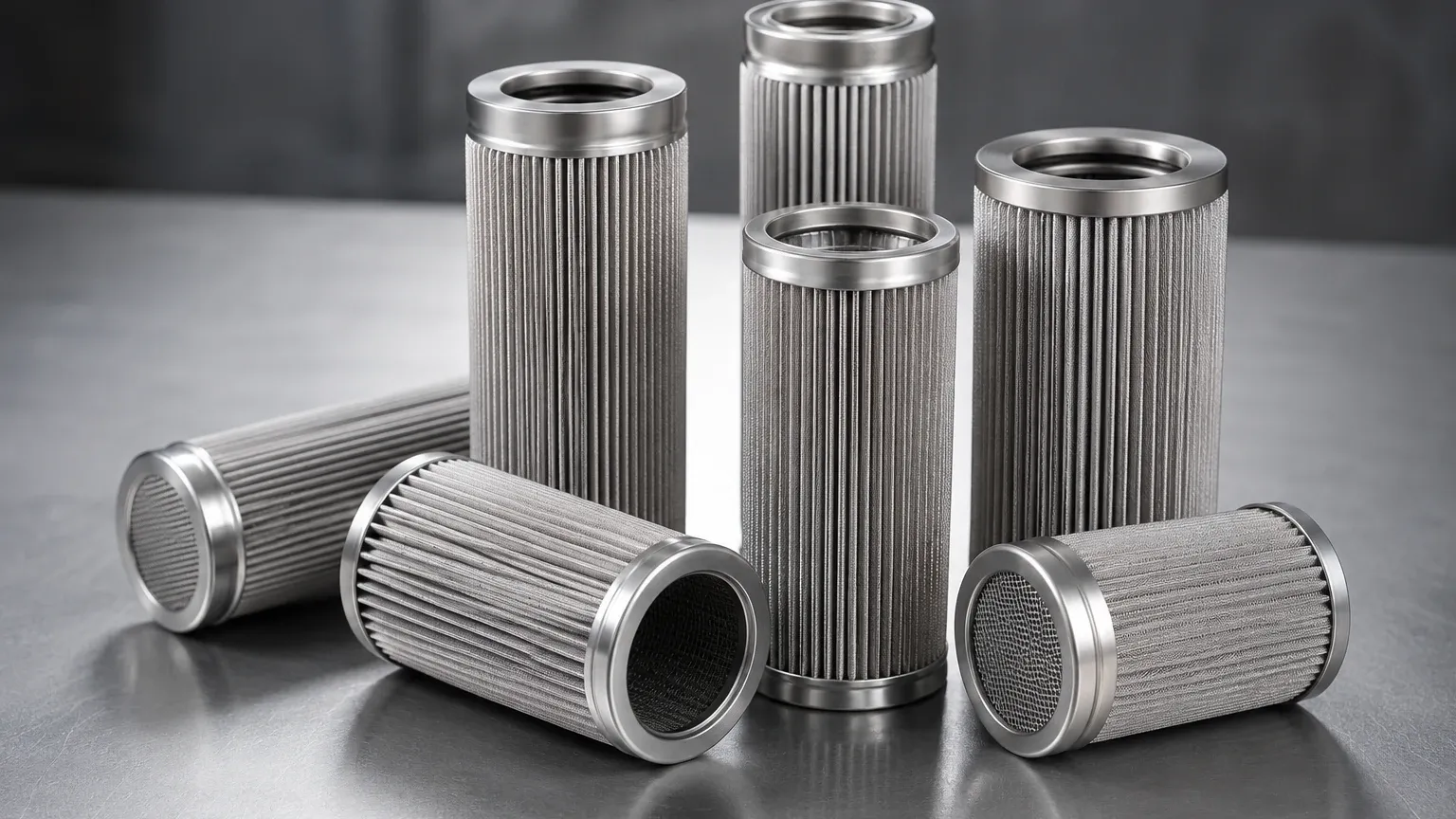
For specialized applications, the internal support structures of nato-standard 40mm filter cartridges—such as the center cores and outer mesh wraps—can be fabricated from stainless steel wire mesh. This ensures that the filtration media remains properly positioned and protected, even under high airflow velocities.
Filtration Media and Performance Metrics
The efficacy of nato-standard 40mm filter cartridges is determined by the media contained within the housing. Most industrial cartridges utilize a combination of mechanical filtration and chemical adsorption.
Particulate Filtration (HEPA/P100)
For protection against dust, aerosols, and biological agents, cartridges incorporate high-efficiency particulate air (HEPA) media. In industrial contexts, these are often rated as P100 (NIOSH) or P3 (EN standard), capable of capturing 99.97% of particles as small as 0.3 microns. Engineering these filters requires balancing the density of the media with the "breathing resistance" or pressure drop across the filter. A higher surface area, often achieved through pleating, allows for lower resistance and a longer service life.
Chemical Adsorption (Activated Carbon)
To neutralize gases and vapors, cartridges are filled with activated carbon. This carbon is often "impregnated" with specific chemical reagents to target particular families of toxins, such as acid gases, ammonia, or organic vapors. The volume and quality of the carbon bed determine the "breakthrough time"—the duration the filter can be used before the chemical concentration on the downstream side exceeds safe limits.
Evaluating Total Cost of Ownership (TCO)
For procurement teams, the initial purchase price of nato-standard 40mm filter cartridges is only one part of the financial equation. Total Cost of Ownership (TCO) includes the replacement frequency, storage requirements, and the cost of potential system failures.
Shelf Life and Storage
Standard cartridges typically have a shelf life ranging from 5 to 10 years, depending on the seal integrity. Industrial users must implement robust inventory management to ensure that expired cartridges are not deployed. Investing in cartridges with superior moisture-barrier packaging can extend the effective life of the inventory, reducing waste.
Service Life and Replacement Cycles
The service life of a filter in the field is highly variable, influenced by the concentration of contaminants, humidity, and the user's breathing rate (or the system's flow rate). In automated industrial systems, pressure sensors are often used to monitor the Delta P (pressure drop). When the pressure drop reaches a predetermined threshold, it indicates that the particulate filter is loaded and requires replacement. For gas filters, replacement schedules are usually based on calculated breakthrough times or the detection of odors/irritants.
Customization and OEM Solutions
Many industrial applications require filtration solutions that deviate from off-the-shelf products. Whether it is a requirement for a specific stainless steel mesh pre-filter to protect the primary media or a custom-designed housing for integration into a unique piece of machinery, OEM capabilities are essential.
Manufacturers like Kaifil specialize in providing these tailored solutions. By leveraging advanced manufacturing techniques, it is possible to develop Filter Cartridges that meet the 40mm standard while incorporating proprietary filtration layers or reinforced structural components. This is particularly relevant for manufacturers of industrial vacuum systems, specialized laboratory equipment, and localized exhaust ventilation (LEV) systems that utilize the 40mm interface for its ease of use and standardized availability.
Engineering Considerations for Custom Designs
When developing a custom 40mm filter solution, several engineering factors must be confirmed:
* Flow Rate Requirements: What is the cubic feet per minute (CFM) or liters per minute (LPM) required by the system?
* Target Contaminants: Are we filtering solid particulates, liquid aerosols, or specific gas-phase chemicals?
* Environmental Constraints: Will the filter be exposed to UV light, salt spray, or caustic cleaning agents?
* Mechanical Stress: Does the cartridge need to withstand high-pressure pulses or mechanical vibration?
Common Risks and Quality Assurance
The market for nato-standard 40mm filter cartridges is vast, but quality varies significantly. For B2B buyers, the primary risk is the procurement of "counterfeit" or sub-standard cartridges that claim compliance but fail under testing.
Reliable manufacturers provide comprehensive documentation, including batch testing results and certifications (such as CE or NIOSH). It is also critical to verify the origin of the filtration media. High-performance activated carbon and synthetic melt-blown fibers are essential for meeting the stringent protection factors required in industrial environments. Using a manufacturer with a proven track record in stainless steel and precision metal filtration ensures that the structural components of the cartridge are as reliable as the media inside.
Conclusion: Selecting the Right Filtration Partner
Nato-standard 40mm filter cartridges are more than just safety consumables; they are precision-engineered components that sit at the intersection of human safety and industrial efficiency. By adhering to global standards like STANAG 4155, these cartridges provide a reliable, modular solution for a wide array of filtration challenges.
For engineers and technical professionals, the key to a successful filtration strategy lies in understanding the balance between standardized interfaces and customized performance. Whether you are sourcing standard replacements or developing a new industrial system that utilizes the 40mm port, focusing on material quality, filtration efficiency, and manufacturing precision will ensure optimal results. As industrial requirements become increasingly complex, the demand for durable, high-performance filtration components—particularly those utilizing stainless steel and advanced wire mesh—will continue to grow, making the choice of a knowledgeable manufacturing partner more important than ever.
