


Nature 2 Pool Filter Cartridges
In the realm of water treatment and maintenance, the integration of mineral sanitization systems has become a standard approach for reducing chemical dependency while maintaining water clarity. Nature 2 pool filter cartridges represent a specialized category of mineral-based filtration components designed to supplement traditional chemical treatments. For engineers and facility managers overseeing large-scale aquatic environments or industrial water systems, understanding the technical mechanics, material constraints, and hydraulic impacts of these cartridges is essential for optimizing system performance.
While Nature 2 systems are frequently associated with residential and commercial pool environments, the underlying principles of mineral ion exchange and cartridge-based delivery systems provide valuable insights into broader industrial filtration applications. This guide examines the engineering considerations, performance expectations, and selection criteria for Filter Cartridges within the context of mineral sanitization and high-durability water treatment.
Technical Overview of Mineral Sanitization
Nature 2 pool filter cartridges function through a process known as mineral sanitization. Unlike mechanical filters that rely solely on physical barriers to remove particulates, these cartridges contain a proprietary blend of silver and copper minerals. These minerals are released into the water stream in controlled, microscopic quantities to act as natural antimicrobial agents.
The Role of Silver and Copper
Silver is a well-documented bactericide. In a water treatment context, silver ions penetrate the cell walls of bacteria, disrupting their metabolic processes and preventing reproduction. Copper, conversely, is a potent algaecide. By introducing copper ions into the flow path, the system inhibits the growth of various algae strains that typically thrive in open-loop water systems.
The technical advantage of using a mineral cartridge is the reduction of "combined chlorine" or chloramines. By allowing minerals to handle a portion of the sanitization load, the free chlorine levels can be maintained at a lower concentration (often as low as 0.5 ppm), which reduces the corrosive impact on system components and improves the environment for users.
Engineering Considerations for Cartridge Integration
When integrating Nature 2 pool filter cartridges into a hydraulic circuit, several engineering parameters must be evaluated to ensure the system operates within its design limits. These parameters include flow rate compatibility, pressure drop, and housing integrity.
Flow Rate and Contact Time
Mineral release is a time-dependent process. If the flow rate is too high, the water may not have sufficient contact time with the mineral bed to achieve the desired ion concentration. Conversely, excessively low flow rates can lead to localized over-concentration. Most Nature 2 cartridges are designed for specific flow ranges, typically measured in Gallons Per Minute (GPM). Engineers must ensure that the primary circulation pump is sized correctly or that a bypass loop is installed to regulate the volume of water passing through the mineral vessel.
Pressure Differential (ΔP)
Every component added to a filtration loop introduces a degree of resistance. Nature 2 cartridges, which often consist of a granular mineral bed contained within a perforated plastic or mesh housing, contribute to the total dynamic head (TDH) of the system. Monitoring the pressure differential across the cartridge is vital. A significant increase in ΔP usually indicates that the internal mineral bed has become compacted or that the housing's intake screens are fouled with debris, necessitating a replacement to prevent pump cavitation or reduced turnover rates.
Material Science: Polymer vs. Stainless Steel
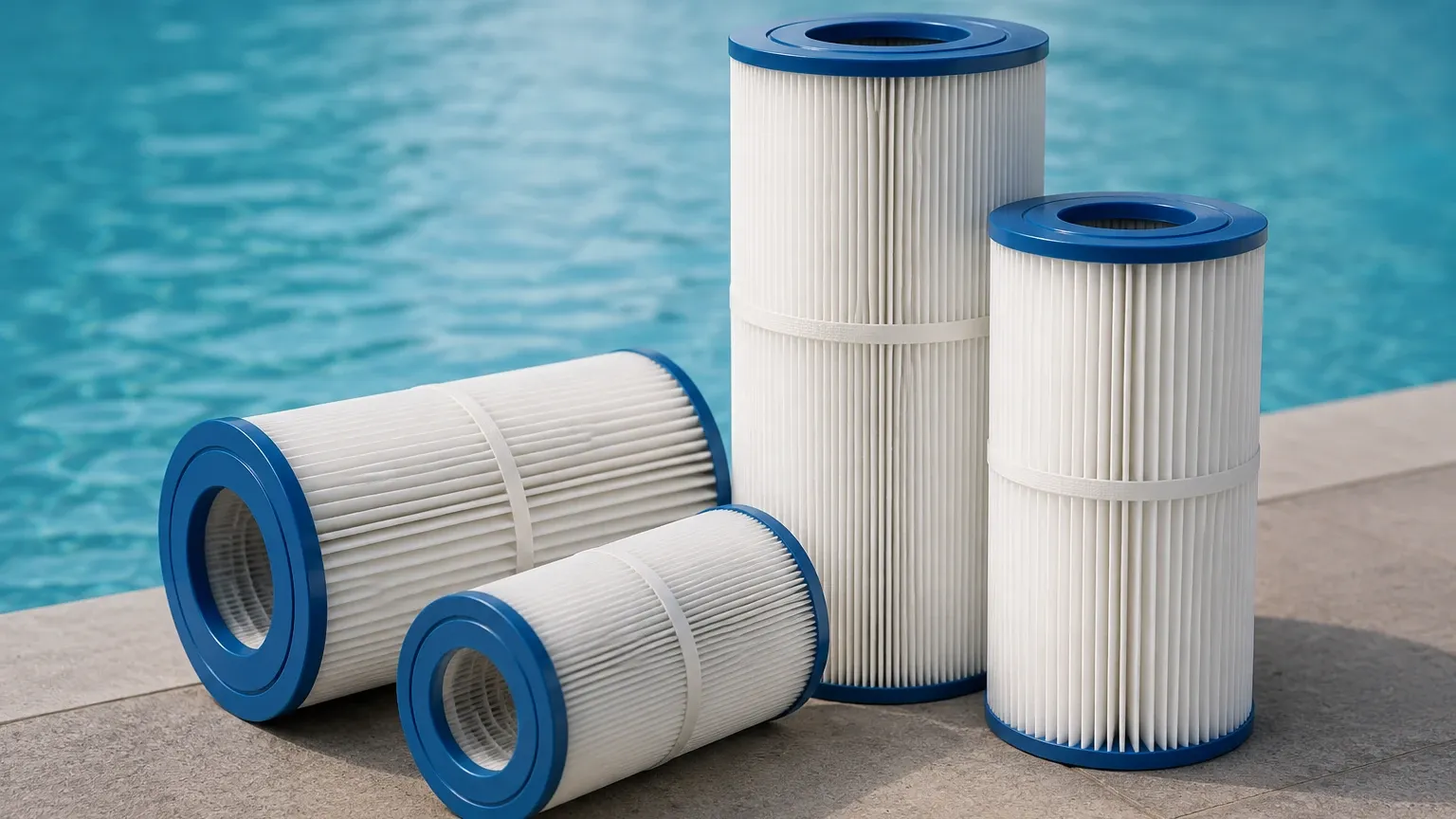
In the consumer pool market, Nature 2 pool filter cartridges are typically constructed from high-impact polymers. While these materials are cost-effective and resistant to standard pool chemicals, they have limitations in more demanding industrial or high-pressure environments.
Temperature and Chemical Resistance
Standard plastic cartridges may deform or undergo stress cracking when exposed to elevated temperatures or aggressive chemical shocks. In industrial water treatment—such as cooling tower loops or process water filtration—engineers often transition from plastic-based systems to stainless steel Filter Cartridges. Stainless steel variants, such as those manufactured from 304 or 316L grades, offer superior structural integrity and can withstand the rigors of high-pressure backwashing and thermal cycling.
Durability in Industrial Applications
For facilities that require the antimicrobial benefits of silver/copper minerals but operate under industrial conditions, the housing and internal support structures of the cartridge must be robust. Precision-engineered wire mesh or sintered metal components can provide the necessary support for mineral media while ensuring that no granular fines escape into the downstream process, a common failure mode in lower-quality plastic cartridges.
Maintenance and Replacement Cycles
The effective lifespan of a Nature 2 pool filter cartridge is generally determined by the depletion of its mineral content. In most standard applications, these cartridges are rated for six months of continuous operation. However, several factors can accelerate this timeline.
1. Water Volume: Systems with higher turnover rates will deplete mineral reserves faster than smaller, low-usage systems.
2. Water Chemistry: High levels of sequestering agents (used to prevent staining) can inadvertently bind to the silver and copper ions, rendering the cartridge ineffective and requiring premature replacement.
3. Particulate Loading: If the upstream mechanical filtration is inadequate, the mineral cartridge may act as a secondary depth filter, becoming clogged with organic matter and reducing its chemical efficacy.
From a total cost of ownership (TCO) perspective, facility managers must factor in the recurring cost of these replacements. While the initial investment in a mineral system can reduce chlorine costs, the logistical requirement of biannual cartridge changes must be integrated into the preventative maintenance schedule.
Comparing Filtration Technologies
To make an informed decision, it is helpful to compare Nature 2 mineral cartridges with other common filtration and sanitization technologies used in similar capacities.
| Feature | Nature 2 Mineral Cartridges | UV Sterilization | Ozone Generation | Standard Mesh Filtration |
| :— | :— | :— | :— | :— |
| Primary Function | Sanitization (Bacterial/Algae) | Sterilization (DNA disruption) | Oxidation/Sanitization | Physical Particle Removal |
| Residual Effect | Yes (Ions remain in water) | No | No | No |
| Maintenance | Cartridge replacement (6 mo) | Lamp replacement (yearly) | Cell cleaning/replacement | Cleaning/Backwashing |
| Pressure Drop | Moderate | Low | Low | Variable (depends on micron) |
| Material | Plastic/Mineral Media | Quartz/Stainless Steel | Various | Stainless Steel/Polymer |
For engineers, the choice often comes down to whether a residual sanitizing effect is required. While UV and Ozone are highly effective at the point of contact, they do not protect the water once it leaves the treatment chamber. Mineral cartridges provide that ongoing protection, making them a strategic addition to a comprehensive water treatment plan.
Common Risks and Performance Limitations
Despite their benefits, Nature 2 pool filter cartridges are not a "set and forget" solution. There are specific risks that technical teams must mitigate:
* Staining: If the water pH is not properly managed, or if the copper levels become too high due to improper cartridge sizing, metallic staining can occur on pool surfaces or industrial equipment. Maintaining a pH range of 7.4 to 7.6 is critical for keeping minerals in suspension.
* System Compatibility: Some algaecides (specifically biguanides) are incompatible with mineral systems. Mixing these chemicals can lead to gumming of the filter media and complete system failure.
* Flow Reversal: In systems where backwashing is frequent, it is essential to ensure that the mineral cartridge is either removed during the backwash cycle or is designed to withstand reverse flow without discharging its mineral bed into the plumbing.
Selecting the Right Filtration Components
For purchasing teams and engineers, selecting the appropriate Filter Cartridges involves more than just matching a part number. It requires a thorough understanding of the application's specific demands. When evaluating filtration components, consider the following checklist:
1. Micron Rating: Does the cartridge provide the necessary level of physical filtration to protect the mineral bed?
2. Housing Compatibility: Will the cartridge fit existing vessels, or is a custom-engineered solution required to accommodate higher flow rates?
3. Material Grade: Is the environment corrosive enough to warrant 316L stainless steel, or is a standard polymer sufficient?
4. Certification: Does the product meet industry standards for water safety and material extraction?
Kaifil specializes in the production of high-performance stainless steel filtration solutions that address the shortcomings of standard commercial cartridges. By utilizing advanced wire mesh and precision metal components, industrial systems can achieve higher durability and more consistent performance than what is typically available in the residential pool market.
Conclusion
Nature 2 pool filter cartridges offer a sophisticated approach to water sanitization by leveraging the natural properties of silver and copper. However, their successful implementation depends on rigorous engineering oversight, from hydraulic calculations to strict maintenance adherence. For industrial applications where reliability is paramount, the principles found in these mineral systems are often best executed using high-quality, custom-engineered metal filtration components.
By understanding the technical boundaries of mineral sanitization and the physical requirements of cartridge design, engineers can ensure long-term water quality while minimizing the environmental and corrosive impacts of traditional chemical treatments. Whether managing a commercial aquatic facility or an industrial process water loop, the right choice in filtration technology is the foundation of system efficiency and longevity.
For more information on high-performance filtration components and custom industrial solutions, Review product options and application support.
