


Original Water Filter Cartridges
In industrial water treatment and process fluid management, the integrity of filtration components is paramount to system longevity and product quality. The term "original water filter cartridges" typically refers to the filtration elements specified by the Original Equipment Manufacturer (OEM) or those engineered to meet the exact technical benchmarks of the initial system design. For engineers and procurement professionals, selecting the right Filter Cartridges involves more than just matching dimensions; it requires a deep understanding of material science, fluid dynamics, and the specific rigors of the industrial environment.
Maintaining the original performance specifications of a filtration system ensures that downstream equipment—such as high-pressure pumps, reverse osmosis membranes, or sensitive spray nozzles—remains protected from particulate damage. This guide examines the technical considerations, material requirements, and selection criteria essential for sourcing high-performance filtration components in B2B applications.
Technical Specifications of Original Water Filter Cartridges
When sourcing original water filter cartridges, technical professionals must look beyond the part number to the underlying engineering specifications. Industrial water filtration is rarely a one-size-fits-all application. The performance of a cartridge is defined by several critical metrics that determine its suitability for a specific process.
Micron Ratings: Absolute vs. Nominal
One of the most misunderstood aspects of filter selection is the distinction between absolute and nominal micron ratings. Original specifications usually define an absolute rating, which implies a 99.9% efficiency at a specific particle size. In contrast, nominal ratings are often based on a weight-percentage retention (typically 60-90%) and can allow significantly larger particles to pass through the media. For critical water treatment processes, adhering to the absolute rating specified in the original design is vital to preventing downstream contamination.
Differential Pressure and Flow Capacity
Every filter cartridge introduces a degree of resistance to the fluid flow, known as clean pressure drop (ΔP). Original water filter cartridges are engineered to balance high dirt-holding capacity with low initial pressure drop. If a replacement cartridge has a higher resistance than the original, it can lead to premature pump wear or reduced system throughput. Conversely, a lower pressure drop might indicate a less dense media, potentially compromising filtration efficiency.
Material Selection for Industrial Durability
Material compatibility is a cornerstone of industrial filtration. While many commercial water filters use polymers like polypropylene or polyester, industrial-grade original water filter cartridges often utilize metallic media, particularly when dealing with high temperatures, aggressive chemicals, or high-pressure differentials.
Stainless Steel Wire Mesh and Sintered Media
Stainless steel (typically Grade 304 or 316L) is the preferred material for demanding industrial water applications. Unlike synthetic fibers, stainless steel filter cartridges offer exceptional structural integrity and chemical resistance.
* 304 Stainless Steel: Suitable for general water filtration where corrosion risk is moderate.
* 316L Stainless Steel: Essential for applications involving brackish water, high-chloride environments, or pharmaceutical-grade water treatment where superior corrosion resistance is mandatory.
Sintered metal cartridges, created by fusing layers of wire mesh or metal fibers under heat and pressure, provide a fixed pore structure that cannot be bypassed even under high-pressure surges. This makes them an excellent choice for maintaining the standards of original water filter cartridges in heavy-duty industrial cycles.
The Engineering Risks of Non-Compliant Replacements
Sourcing aftermarket components that do not strictly adhere to the original engineering standards can introduce significant risks to industrial operations. While a lower-cost alternative may appear identical in size, the internal construction often differs in ways that impact performance and safety.
Structural Failure and Media Migration
In high-pressure water systems, the structural strength of the center core and end caps is critical. If a replacement cartridge uses inferior materials or thinner gauges than the original water filter cartridges, the element may collapse under high differential pressure. Furthermore, poor-quality synthetic media can suffer from "media migration," where small fibers from the filter itself break off and contaminate the filtered water, leading to potential product recalls or equipment damage.
Bypass and Seal Integrity
The interface between the filter cartridge and the housing is a common point of failure. Original specifications dictate precise tolerances for O-rings and gaskets. Even a millimeter of deviation in the end cap geometry can lead to "bypass," where unfiltered water escapes around the cartridge. In industrial cooling or chemical processing, even a small amount of bypass can cause rapid scaling or clogging of precision components.
Evaluating Total Cost of Ownership (TCO)
For purchasing teams, the initial acquisition cost of filter cartridges is only one component of the total cost of ownership. High-quality original water filter cartridges, particularly those made from stainless steel, often provide a lower TCO over the life of the system compared to disposable alternatives.
Cleanability and Reusability
One of the primary advantages of stainless steel Filter Cartridges is their ability to be cleaned and reused. Through backwashing, ultrasonic cleaning, or chemical soaking, these elements can be restored to near-original performance levels. This reduces the frequency of procurement cycles and minimizes the waste disposal costs associated with spent disposable cartridges. When evaluating original water filter cartridges for a new project, engineers should consider whether a cleanable metallic solution offers better long-term value than a consumable plastic one.
Extended Service Life
Durability in the face of pressure spikes and thermal cycling ensures that the filtration system remains online longer. Original-spec cartridges are designed to handle the "worst-case" scenarios of a process, such as sudden increases in turbidity or temperature fluctuations. By maintaining these standards, facilities avoid the indirect costs of unplanned downtime and emergency maintenance.
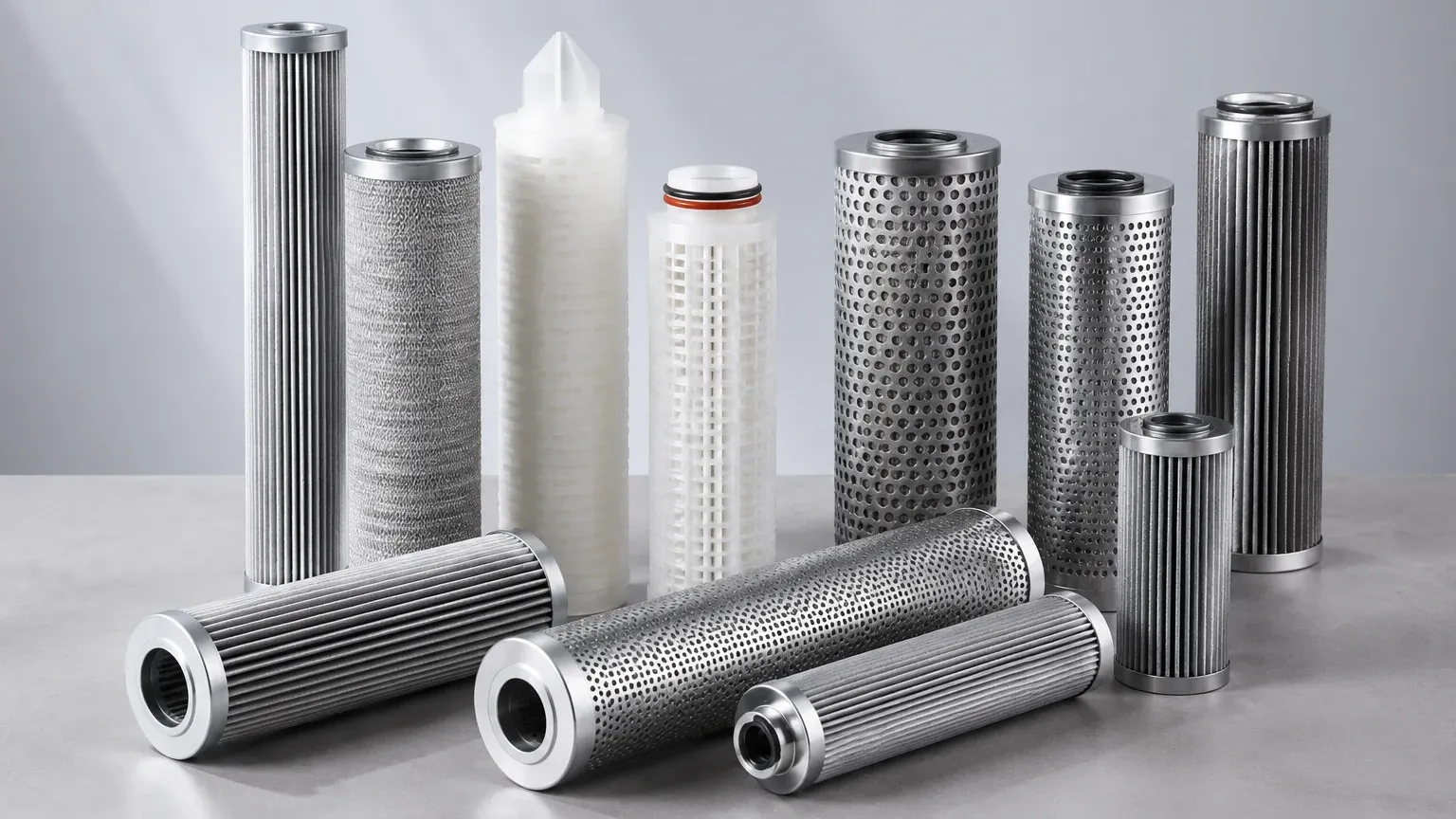
Customization and OEM Filtration Solutions
In many specialized industrial sectors, standard off-the-shelf cartridges may not meet the unique requirements of a particular process. In these instances, working with a manufacturer that specializes in custom stainless steel filtration is necessary to develop original water filter cartridges tailored to specific parameters.
Engineering for Specific Flux Rates
Flux rate, or the volume of water passing through a unit area of filter media, is a critical design factor. Custom-engineered cartridges can be designed with pleated structures to maximize surface area, allowing for higher flow rates within a compact housing footprint. This is particularly useful when upgrading existing water treatment plants to handle increased capacity without replacing the entire housing infrastructure.
Specialized End Cap Configurations
Industrial filter housings utilize various connection styles, including DOE (Double Open End), Code 7 (fin and bayonet), and NPT threaded connections. Ensuring that custom-manufactured original water filter cartridges match these configurations exactly is essential for leak-proof operation. Precision machining of end caps ensures that the cartridges seat perfectly every time, maintaining the hydraulic seal required for high-purity applications.
Application-Specific Considerations
The requirements for original water filter cartridges vary significantly across different industrial sectors. Understanding these nuances is vital for selecting the correct filtration technology.
* Food and Beverage: Cartridges must be manufactured from FDA-compliant materials and often require 316L stainless steel to withstand Clean-in-Place (CIP) chemicals and steam sterilization.
* Chemical Processing: Compatibility with aggressive solvents or high-pH fluids is the primary concern. Metallic filters offer the necessary chemical inertness that many polymers lack.
* Power Generation: In boiler feed water and condensate polishing, filters must remove fine particulates at high temperatures and pressures to prevent turbine blade erosion.
* Hydraulic Systems: Water-glycol fluids and hydraulic oils require high-strength cartridges that can withstand rapid pressure pulses without deforming.
Conclusion: Best Practices for Procurement and Maintenance
To ensure the continued efficiency of industrial water systems, technical teams should adopt a rigorous approach to sourcing and maintaining their filter cartridges. Confirming the following details before purchase will help maintain the integrity of the original system design:
1. Verify Material Certifications: Ensure that the stainless steel grades and sealing materials (EPDM, Viton, etc.) match the chemical profile of the process fluid.
2. Request Performance Data: Ask for pressure drop curves and efficiency ratings to ensure the replacement matches the original water filter cartridges' performance.
3. Monitor Differential Pressure: Implement a structured maintenance schedule that triggers cartridge cleaning or replacement based on ΔP readings rather than fixed time intervals.
4. Evaluate Custom Options: If standard cartridges are failing prematurely, consult with a filtration specialist to design a more robust, custom solution that addresses the specific stressors of your application.
By prioritizing technical accuracy and material quality, industrial operators can ensure that their Filter Cartridges provide reliable, cost-effective performance that protects both the equipment and the final product quality. Whether sourcing standard replacements or developing custom OEM components, the focus must remain on the engineering standards that define a truly original filtration solution.
