


Replacement Filter Queen Vacuum
In industrial, commercial, and high-standard residential environments, maintaining air quality and equipment efficiency depends heavily on the integrity of the filtration system. For users of specialized vacuum systems, such as the Filter Queen series, the selection of a replacement filter queen vacuum component is not merely a routine maintenance task; it is a critical decision that affects motor longevity, particulate capture efficiency, and overall operational costs. While the Filter Queen brand is renowned for its unique cyclonic action and cone-shaped filtration media, engineers and facility managers must evaluate these components through the lens of industrial performance standards.
As a manufacturer specializing in high-precision stainless steel filtration, Kaifil understands that the principles governing a replacement filter queen vacuum are the same principles that dictate the performance of heavy-duty industrial Filter Cartridges. This article provides a technical analysis of vacuum filtration architecture, material considerations, and the engineering metrics that define high-quality replacement filters.
The Engineering Principles of High-Efficiency Vacuum Filtration
The effectiveness of a vacuum system is defined by its ability to maintain high airflow (CFM) while capturing the smallest possible particulates. The Filter Queen architecture traditionally utilizes a multi-stage approach. The first stage is a cyclonic action that uses centrifugal force to move heavier debris to the bottom of the canister. However, the secondary and tertiary stages rely on physical barrier filtration.
In a replacement filter queen vacuum context, the "Medi-Filter" and the "Pro-Cone" are the primary barrier elements. These are designed to capture sub-micron particles, including allergens, fine dust, and industrial byproducts. From an engineering perspective, the cone shape is significant because it maximizes the surface area relative to the volume of the filter housing. A larger surface area reduces the face velocity of the air passing through the media, which in turn lowers the initial pressure drop (Delta P) and extends the time it takes for the filter to reach its terminal pressure drop.
When selecting a replacement, it is vital to ensure that the media density does not compromise the vacuum motor's cooling. In many high-performance vacuums, the filtered air is used to dissipate heat from the motor windings. If a replacement filter is too restrictive or if it bypasses air due to poor fitment, the risk of motor failure increases substantially.
Material Selection: Comparing Synthetic Media and Stainless Steel Mesh
The choice of material for a replacement filter queen vacuum component determines its durability and its compatibility with various environments. Most standard replacements utilize cellulose or non-woven synthetic fibers. These materials are effective for dry particulate capture but have limitations regarding moisture resistance and structural rigidity.
Synthetic and Cellulose Media
These materials are often treated with antimicrobial agents to prevent the growth of mold or bacteria within the filter matrix. For standard indoor air quality (IAQ) applications, high-efficiency particulate air (HEPA) grade synthetic media is the industry standard. However, these are disposable and must be replaced frequently to maintain system performance.
Stainless Steel and Permanent Media
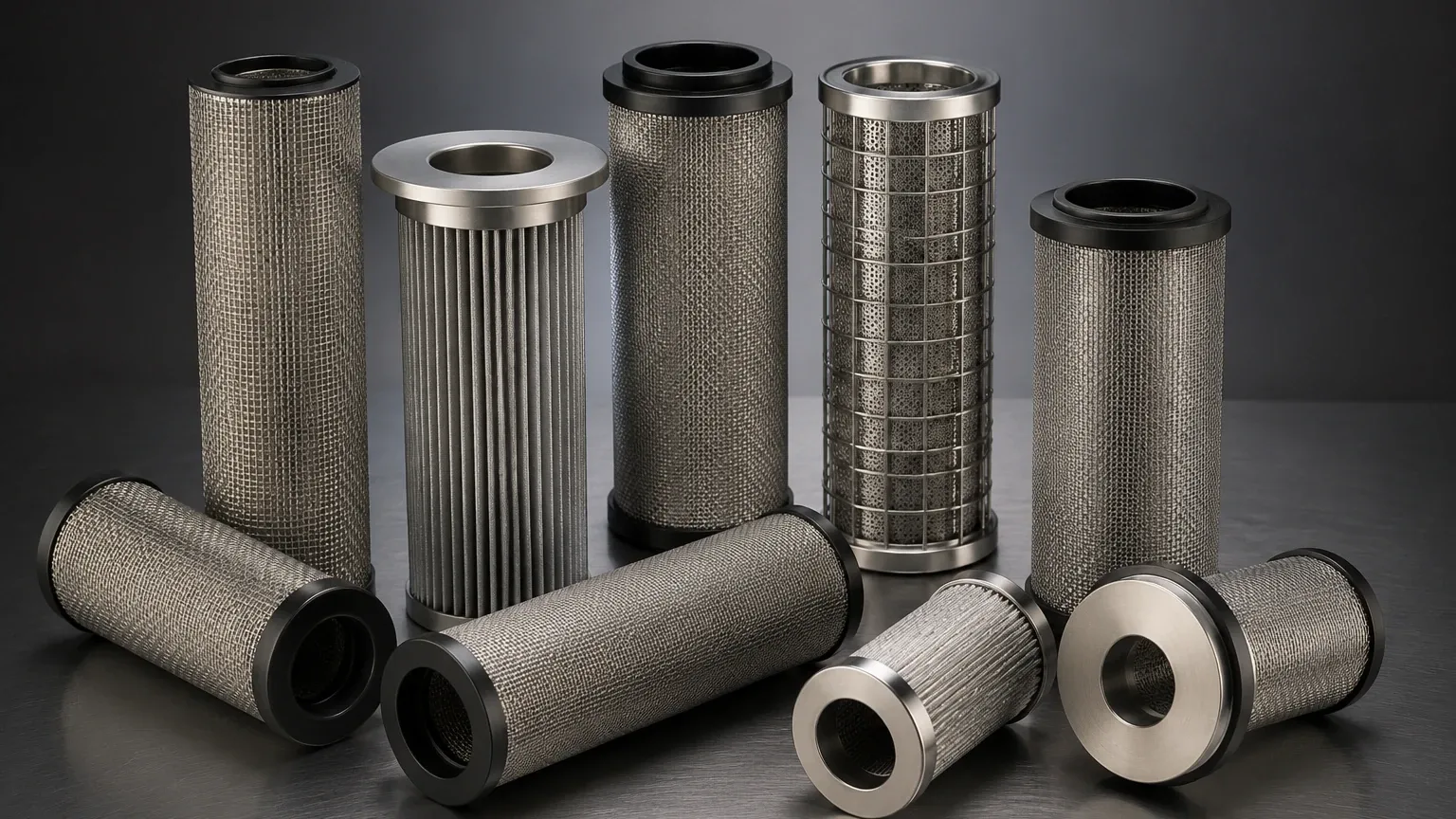
In more demanding industrial settings where vacuum systems are integrated into production lines or used for chemical recovery, synthetic media may fail due to chemical degradation or physical tearing. This is where industrial Filter Cartridges made from 304 or 316L stainless steel wire mesh become superior. Stainless steel filters offer:
* High Temperature Resistance: Unlike synthetic cones, metal filters can operate in environments exceeding 200°C.
* Chemical Compatibility: Stainless steel resists corrosion from a wide range of industrial solvents and cleaning agents.
* Cleanability: Metal filter elements can be backwashed or ultrasonically cleaned, significantly reducing the total cost of ownership over time.
For engineers looking to upgrade or customize vacuum filtration for specific industrial processes, transitioning from a standard replacement filter queen vacuum cone to a custom-engineered metal mesh cartridge can provide enhanced reliability and consistent micron ratings.
Performance Metrics: Micron Ratings and Pressure Drop
When evaluating a replacement filter queen vacuum, two primary technical metrics must be considered: the micron rating and the pressure drop.
Micron Rating: Absolute vs. Nominal
* Nominal Rating: This indicates the filter's ability to retain a majority of particles of a specific size. It is often used for standard commercial filters.
* Absolute Rating: This is a more stringent metric, indicating that 99.9% or more of particles at a specific micron size are captured. For cleanroom or medical-grade vacuuming, an absolute rating is essential.
High-quality replacement filters for the Filter Queen system often aim for sub-micron efficiency (0.1 to 0.3 microns). Ensuring that the replacement media maintains this rating throughout its service life is critical for protecting sensitive environments from re-contamination.
Pressure Drop (Delta P)
Pressure drop is the difference in air pressure between the upstream and downstream sides of the filter. A high initial pressure drop means the vacuum motor must work harder to pull air through the filter, which reduces suction power at the nozzle. When a replacement filter queen vacuum component is installed, it should ideally exhibit a low clean-pressure drop while maintaining high capture efficiency. As the filter loads with dust, the pressure drop increases. Understanding the "terminal pressure drop"—the point at which the filter must be replaced to prevent motor damage—is a key part of industrial maintenance scheduling.
Operational Longevity and Replacement Cycles
The lifespan of a replacement filter queen vacuum depends on the particulate load and the environment in which it operates. In a standard office or residential setting, a high-efficiency cone might last six months to a year. However, in industrial applications, this cycle may be compressed into weeks or even days.
Indicators for Replacement
1. Reduced Suction: A noticeable drop in lift capacity usually indicates that the filter pores are saturated.
2. Motor Heat: If the vacuum housing feels excessively hot, the motor is likely struggling against a high pressure drop.
3. Odor or Dust Bypass: Any smell of dust or visible exhaust indicates a breach in the filter media or a failure of the gasket seal.
To optimize the replacement cycle, many facilities implement a tiered filtration strategy. This involves using a low-cost pre-filter to capture large debris, thereby protecting the more expensive high-efficiency replacement filter queen vacuum cone or primary Filter Cartridges. This approach extends the life of the fine-filtration stage and ensures more consistent performance.
Custom OEM Solutions for Industrial Filtration Components
While standard replacement filters meet the needs of many users, certain industrial applications require customized filtration solutions that go beyond off-the-shelf products. Kaifil specializes in the design and manufacture of custom stainless steel filter components that can be adapted for specialized vacuum and air handling systems.
Custom Pleating and Surface Area Optimization
For systems requiring high flow rates in compact housings, pleating the filter media is the most effective solution. By pleating stainless steel wire mesh, we can increase the effective filtration area by several hundred percent compared to a flat or simple cone design. This is particularly useful for OEM manufacturers developing new vacuum technologies that require robust, long-lasting filtration stages.
Precision Gasketing and Sealing
A common failure point in a replacement filter queen vacuum is the seal between the filter and the housing. If the gasket is made of low-grade foam, it may compress or degrade over time, allowing "bypass"—where contaminated air escapes around the filter. Industrial-grade filters utilize high-performance elastomers like EPDM, Viton, or silicone to ensure a leak-proof seal even under high vacuum pressures.
Material Traceability and Quality Control
In the pharmaceutical and food processing industries, material traceability is mandatory. Replacement filters used in these sectors must be accompanied by certifications ensuring that the materials (both the media and the adhesives or seals) are FDA-compliant and free from contaminants. Kaifil provides full documentation for our custom filtration products, ensuring they meet the rigorous standards required for sensitive industrial processes.
Conclusion: Selecting the Right Filtration Strategy
Maintaining a vacuum system, whether it is a specialized Filter Queen unit or a large-scale industrial dust collector, requires a deep understanding of filtration science. The choice of a replacement filter queen vacuum component should be guided by technical requirements: the specific micron size of the target particulate, the required airflow, and the environmental conditions of the workspace.
For standard applications, high-quality synthetic cones offer an excellent balance of efficiency and cost. However, for demanding industrial environments where durability, chemical resistance, and cleanability are paramount, investing in high-performance Filter Cartridges and custom metal mesh solutions is the superior engineering choice. By focusing on quality materials and precise manufacturing, facility managers can ensure their vacuum systems provide maximum protection and operational efficiency for years to come.
When evaluating your next filtration purchase, consider the total cost of ownership. A cheaper replacement may save money upfront but can lead to higher energy costs, more frequent downtime, and potential motor damage. Choosing a filter engineered for performance is always the most cost-effective strategy in the long run.
