


Xiaomi Filter Cartridges
In the landscape of modern water purification, Xiaomi filter cartridges have become a recognizable standard for consumer and light commercial applications. Known for their integrated design and multi-stage filtration capabilities, these components are central to the performance of reverse osmosis (RO) and ultrafiltration (UF) systems. However, for engineers and procurement professionals operating in industrial environments, understanding the technical specifications, material limitations, and potential for industrial-grade upgrades is essential for maintaining system integrity and optimizing fluid processing costs.
This guide examines the engineering principles behind these cartridges, evaluates their performance metrics, and discusses the considerations for transitioning toward high-performance, custom Filter Cartridges in demanding industrial or OEM applications.
Understanding the Architecture of Xiaomi Filter Cartridges
Xiaomi filter cartridges typically utilize a proprietary "all-in-one" or modular design that simplifies the replacement process for the end-user. From a technical perspective, these systems usually employ a three-to-five-stage filtration process housed within composite plastic shells. The primary stages often include:
1. PPC (Polypropylene Cotton and Carbon): A hybrid stage designed to intercept large particles such as rust, sand, and sediment while utilizing activated carbon to absorb residual chlorine and odors.
2. RO (Reverse Osmosis) Membrane: The core filtration layer, often utilizing high-precision membranes with pore sizes as small as 0.0001 microns to remove heavy metals, bacteria, and organic matter.
3. CB (Carbon Block): A final polishing stage to improve the taste and further refine the water quality.
While this integrated approach is highly efficient for domestic use, industrial engineers must evaluate the flow rates and pressure tolerances of these plastic-housed units. In high-pressure hydraulic or chemical processing environments, the structural integrity of the cartridge housing is as critical as the filtration media itself.
Key Evaluation Criteria for Industrial Filtration
When selecting or replacing xiaomi filter cartridges in a professional setting, engineers must look beyond the brand name and focus on quantifiable performance data. The following criteria are vital for ensuring the filtration solution meets the specific needs of the application:
Micron Rating and Efficiency
Filtration accuracy is defined by the micron rating, but it is important to distinguish between nominal and absolute ratings. Most consumer-grade cartridges provide nominal ratings, which indicate the ability to retain a majority of particles of a certain size. In contrast, industrial-grade stainless steel Filter Cartridges often provide absolute ratings, ensuring that 99.9% of particles at the specified micron level are captured. This precision is mandatory in pharmaceutical and semiconductor manufacturing where even trace contaminants can lead to batch failure.
Flow Rate and Pressure Drop
The relationship between flow rate and pressure drop (differential pressure) is a primary engineering concern. Xiaomi filter cartridges are designed for specific gallon-per-day (GPD) outputs. If the application requires a higher throughput than the cartridge is rated for, the pressure drop will increase significantly, leading to premature pump wear and reduced filtration efficiency. Engineers should calculate the Total Suspended Solids (TSS) in the feed fluid to determine if a standard cartridge can handle the load without frequent clogging.
Chemical and Thermal Compatibility
Standard Xiaomi cartridges are primarily designed for ambient temperature water. In industrial B2B applications, fluids may include corrosive chemicals, oils, or high-temperature process water. Plastic housings and composite media may degrade or leach contaminants under these conditions. In such cases, replacing disposable plastic units with 304 or 316L stainless steel cartridges becomes a technical necessity to prevent system failure and ensure fluid purity.
Common Risks and Technical Challenges
Implementing xiaomi filter cartridges in non-standard or industrial environments carries specific risks that procurement teams must mitigate:
* Proprietary Lock-in: Many Xiaomi systems use RFID chips or unique physical dimensions to ensure only branded replacements are used. For an OEM manufacturer, this can limit supply chain flexibility. Custom-engineered metal filters can be designed to fit these housings while offering superior durability and cleanability.
* Bypass Issues: If a cartridge does not seat perfectly within the housing, "bypass" occurs, where unfiltered fluid escapes around the edges of the filter. This is often a result of poor-quality seals or thermal expansion of plastic components.
* Structural Failure: In industrial water treatment, water hammer or sudden pressure spikes are common. Plastic filter cartridges are susceptible to cracking or bursting under these conditions, whereas metal alternatives provide a much higher safety factor.
The Role of Stainless Steel Filter Cartridges in Industrial Upgrades
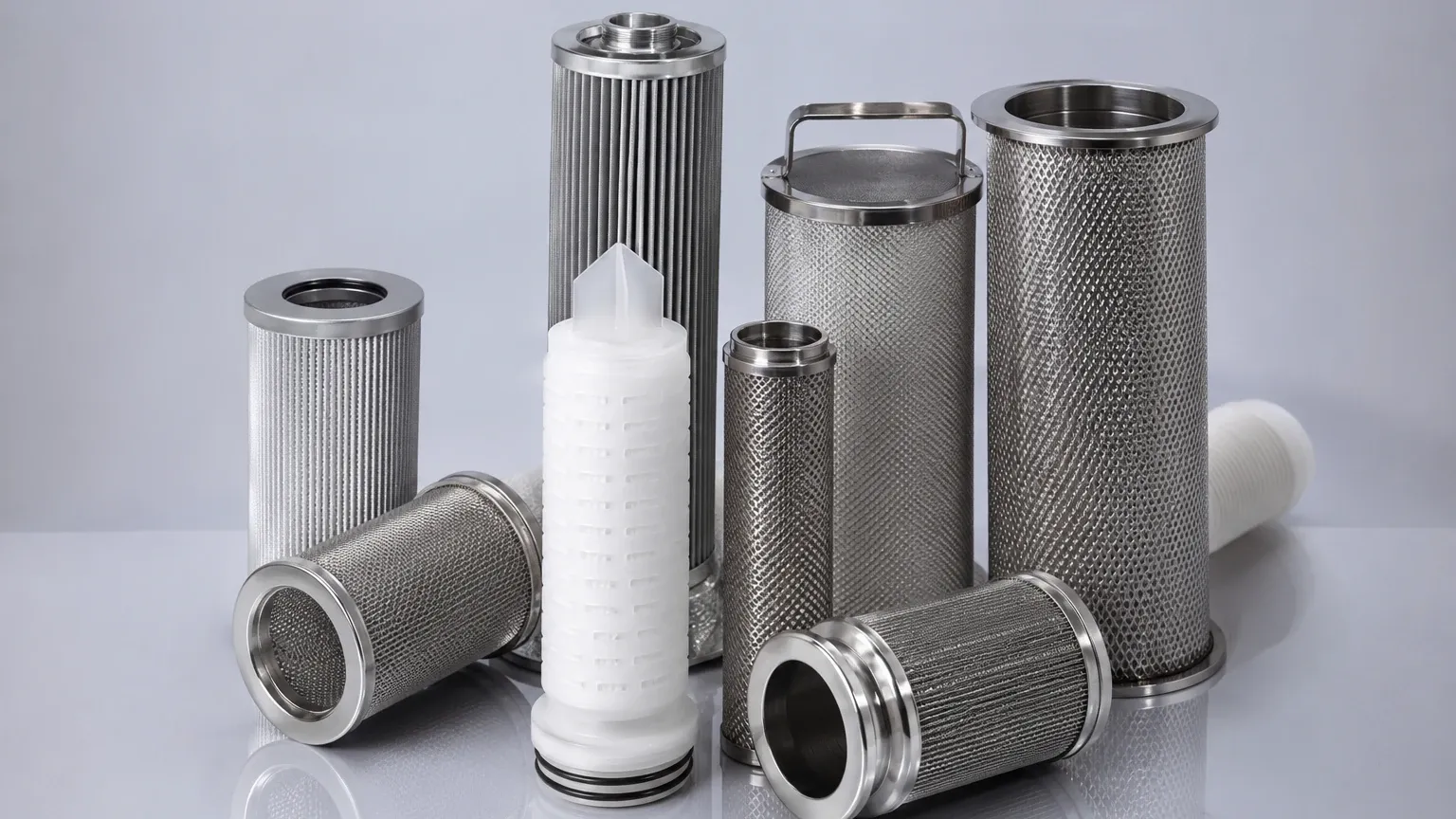
For applications that demand more than what standard consumer-grade xiaomi filter cartridges can offer, stainless steel Filter Cartridges provide a robust alternative. These industrial components are engineered for longevity and extreme environments.
Durability and Reusability
Unlike disposable plastic cartridges that must be discarded after a single use cycle, stainless steel wire mesh filters can often be cleaned and reused. Techniques such as backwashing, ultrasonic cleaning, or chemical soaking allow these filters to be restored to near-original performance. This significantly reduces the long-term waste and total cost of ownership (TCO) for the facility.
Precision Engineering
Industrial manufacturers like Kaifil specialize in custom-weaving wire mesh to achieve specific filtration goals. Whether the requirement is for a pleated design to increase surface area or a multi-layered sintered mesh for high-pressure stability, metal cartridges offer a level of customization that mass-produced consumer filters cannot match. This is particularly relevant for engineers looking to optimize the filtration of viscous fluids or high-temperature steam.
Information to Confirm Before Purchasing
To ensure the successful integration of filtration components, B2B buyers and engineers should confirm the following technical details before finalizing a purchase or specifying a design:
1. Housing Dimensions: Confirm the internal diameter (ID), outer diameter (OD), and total length. Even small deviations in millimeters can lead to bypass or installation failure.
2. End Cap Configuration: Determine if the system requires Double Open End (DOE), Single Open End (SOE), or specific O-ring configurations (e.g., 222 or 226 fittings).
3. Operating Temperature and Pressure: Define the maximum and continuous operating parameters. For steam or hot oil applications, metal filters are the only viable option.
4. Filtration Media Compatibility: Ensure the media (whether it is PP, carbon, or stainless steel mesh) is chemically compatible with the fluid being processed. Refer to a chemical resistance chart if necessary.
5. Certification Requirements: For food, beverage, or pharmaceutical applications, confirm that the materials used in the Filter Cartridges meet FDA or NSF standards for food contact.
Maintenance and Replacement Cycles
Determining the correct replacement cycle for xiaomi filter cartridges is critical for maintaining water quality. Most systems use a time-based or volume-based indicator. However, in an industrial context, replacement should be dictated by differential pressure (ΔP). When the pressure drop across the filter reaches a predetermined limit (usually 15-25 psi, depending on the system), the cartridge is considered fouled.
For facilities looking to reduce downtime, switching to high-capacity pleated metal filters can extend the intervals between maintenance cycles. Because pleated designs offer a larger surface area for contaminant loading, they can handle higher dirt-holding capacities than standard cylindrical cartridges of the same size.
Conclusion: Selecting the Right Solution
While xiaomi filter cartridges offer an effective and accessible solution for standard water purification needs, industrial and OEM applications often require a more rigorous approach to filtration. By understanding the technical boundaries of consumer-grade products and recognizing when a transition to industrial-grade stainless steel Filter Cartridges is necessary, engineers can ensure the reliability and efficiency of their fluid processing systems.
Whether you are looking for high-precision OEM replacements or custom-designed filtration components for a new industrial project, focusing on material quality, filtration accuracy, and structural integrity will lead to superior performance and reduced long-term costs. For those managing complex filtration requirements, consulting with a professional manufacturer like Kaifil can provide the engineering support needed to develop a solution tailored to specific application demands.
