


7 Filter Water
In the landscape of industrial water treatment, the concept of multi-stage purification is fundamental to achieving high-purity standards required by the pharmaceutical, food and beverage, and chemical processing sectors. The term "7 filter water" refers to a comprehensive seven-stage filtration process designed to systematically remove contaminants ranging from large suspended solids to microscopic chemical impurities and biological pathogens. For engineers and facility managers, understanding the technical configuration of these stages is essential for optimizing system longevity and ensuring the consistency of the output water.
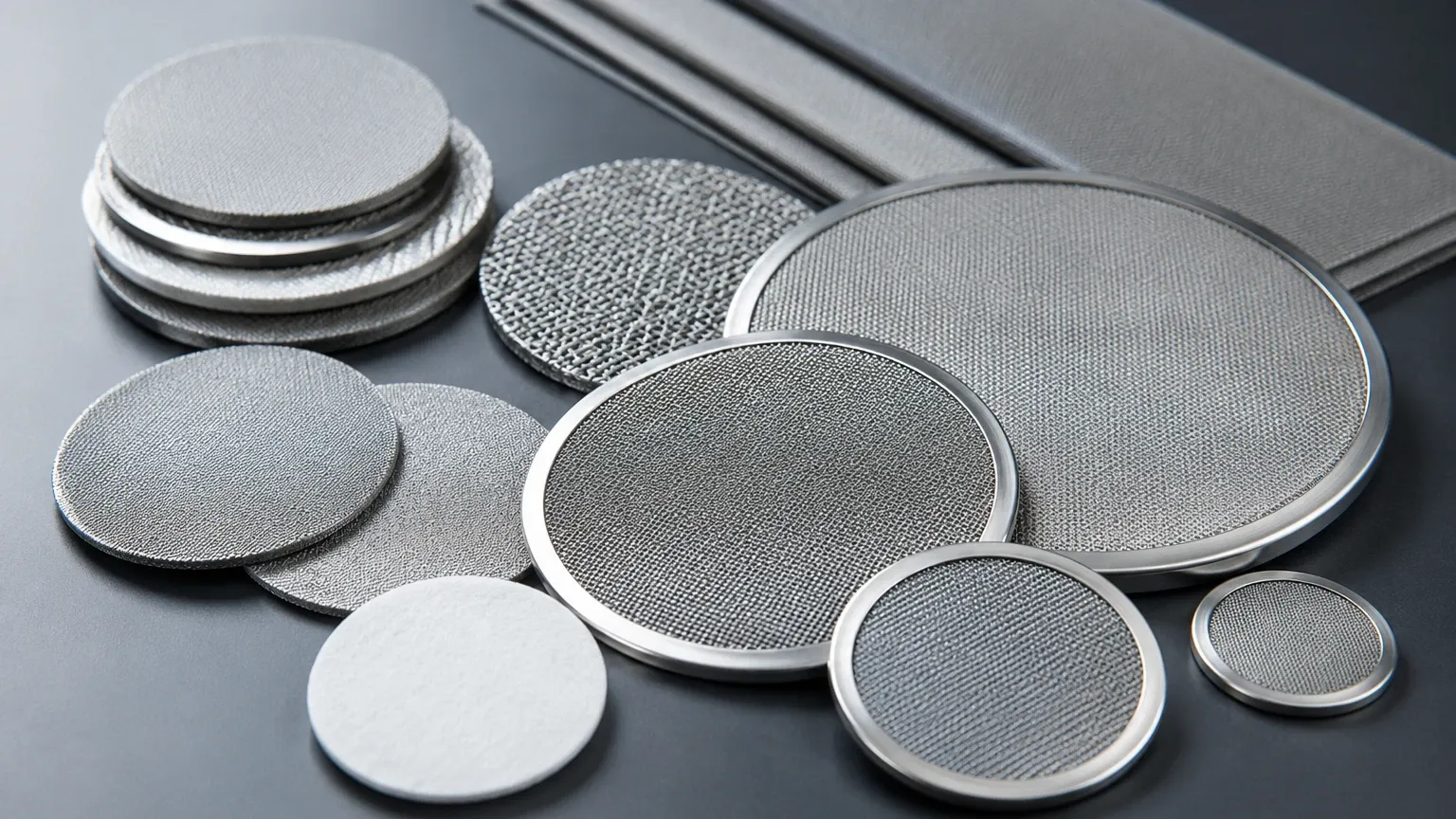
From an industrial manufacturing perspective, the efficiency of a multi-stage system relies heavily on the quality of the primary and secondary filtration components. High-performance Filter Discs & Packs serve as critical barriers in these systems, providing the mechanical strength and filtration precision necessary to protect downstream equipment and maintain flow rates under high-pressure conditions.
The Architecture of 7-Stage Water Filtration
A 7-stage water filtration system is engineered to address different categories of water quality issues through a sequential approach. Each stage is optimized for a specific particle size or contaminant type. While residential systems often use plastic housings and disposable cartridges, industrial 7 filter water systems utilize robust materials like stainless steel to handle higher volumes and more aggressive cleaning cycles.
1. Primary Sediment Filtration
The first stage focuses on the removal of large particles such as sand, silt, and rust. This stage protects the subsequent, more delicate filters from premature clogging. Industrial systems often employ stainless steel wire mesh filters here due to their high dirt-holding capacity and ease of backwashing.
2. Granular Activated Carbon (GAC)
This stage targets chlorine, organic chemicals, and unpleasant odors. GAC filters work through adsorption, where contaminants stick to the surface of the carbon granules. In high-flow industrial applications, the carbon must be contained within a durable housing that prevents carbon fines from migrating downstream.
3. Carbon Block Filtration
A secondary carbon stage, typically using a denser carbon block, provides further chemical reduction and removes smaller particles that may have bypassed the GAC stage. This ensures that volatile organic compounds (VOCs) are thoroughly neutralized.
4. Precision Micro-Filtration
As the water reaches the middle stages, the focus shifts to finer particulates. This is where precision-engineered Filter Discs & Packs are frequently integrated. By using multi-layer sintered mesh or fine wire cloth, these components can achieve specific micron ratings to remove fine sediment and microbial cysts.
5. Reverse Osmosis (RO) or Ultrafiltration
The core of many 7 filter water systems is the RO membrane, which removes dissolved solids, heavy metals, and salts. Because RO membranes are sensitive to fouling, the efficiency of the preceding stages—specifically the micro-filtration stage—is the primary determinant of the membrane's service life.
6. Post-Carbon Polishing
After the high-pressure RO process, water is often stored in tanks where it may pick up a slight taste from the storage material. A final carbon polishing stage ensures the water is clear and tasteless before it reaches the point of use.
7. UV Sterilization or Deionization
The final stage is often a safety measure. Ultraviolet (UV) light is used to deactivate any remaining bacteria or viruses, or a deionization (DI) resin bed is used to achieve ultra-low conductivity for specialized laboratory or electronic manufacturing applications.
Engineering Considerations for Industrial Filter Discs
When designing or maintaining a system for 7 filter water, the selection of filter media is a critical engineering decision. Stainless steel filter discs and packs are preferred in industrial settings over synthetic alternatives for several technical reasons.
Material Compatibility and Durability
Industrial water may contain corrosive elements or be processed at elevated temperatures. Stainless steel 304 and 316L offer superior resistance to corrosion and thermal stress. Unlike plastic filters, metal filter packs do not degrade when exposed to the high-pressure surges common in hydraulic water systems.
Filtration Precision and Mesh Structure
The performance of a filter disc is defined by its weave type. Engineers must choose between plain weave, twilled weave, or Dutch weave based on the required flow rate and filtration accuracy. Dutch weave, for instance, provides a denser structure suitable for the fine filtration stages of a 7-stage process, ensuring that even microscopic debris is captured before it can reach sensitive RO membranes.
Pressure Drop and Flow Management
Every stage in a 7 filter water system introduces a degree of pressure drop. To maintain an efficient flow rate, the filter discs must be designed with an optimal balance between wire diameter and open area. Multi-layer packs, which combine different mesh counts, allow for graduated filtration—capturing larger particles on the outer layers and finer particles in the center—which minimizes pressure buildup and extends the time between maintenance intervals.
The Role of Customization in Water Treatment
No two industrial water sources are identical. A system designed for municipal water treatment will differ significantly from one processing brackish well water or industrial process water. Customization of Filter Discs & Packs allows engineers to tailor the filtration stages to the specific particulate profile of the source water.
Customization options include:
* Layer Configuration: Sintering multiple layers of mesh together to create a rigid, high-strength filter element.
* Edge Treatment: Adding aluminum, stainless steel, or copper rims to ensure a leak-proof seal within the filter housing.
* Geometric Shapes: Producing discs in specific diameters or non-circular shapes to fit proprietary filtration equipment.
By optimizing these components, facilities can ensure that their 7 filter water systems operate at peak efficiency, reducing the total cost of ownership by protecting expensive downstream membranes and reducing the frequency of filter replacements.
Performance Evaluation and Maintenance
To ensure the continuous delivery of high-purity water, rigorous monitoring of the filtration stages is required. The primary indicator of filter health in an industrial 7-stage system is the differential pressure (ΔP). A significant increase in ΔP across a filter pack indicates that the media is loaded with contaminants and requires cleaning or replacement.
Cleaning Cycles
One of the significant advantages of stainless steel filtration components in 7 filter water applications is their cleanability. Unlike disposable cartridges, stainless steel mesh can be cleaned via ultrasonic baths, backflushing, or chemical cleaning. This not only reduces waste but also provides a more predictable performance curve over the life of the component.
Replacement Indicators
While metal filters are durable, they are not infinite. Mechanical wear, wire thinning from abrasive particles, or permanent blinding of the mesh eventually necessitates replacement. Engineers should establish a replacement cycle based on the specific turbidity and chemical composition of their input water to prevent a catastrophic failure that could contaminate the entire 7-stage line.
Application Across Industries
The demand for 7 filter water is prevalent in several high-stakes industries where water quality directly impacts product safety and equipment reliability.
* Food and Beverage: Water used as an ingredient or for cleaning must be free of pathogens and chlorine to ensure taste consistency and consumer safety. Stainless steel filter packs provide a hygienic solution that meets stringent food safety standards.
* Pharmaceuticals: Process water must meet USP standards. The multi-stage approach, supported by precision metal filters, ensures the removal of pyrogens and microorganisms.
* Power Generation: In boiler feed water applications, the removal of dissolved solids and particulates is essential to prevent scale buildup and corrosion in high-pressure steam components.
Conclusion
Implementing a system for 7 filter water is a sophisticated engineering task that requires a deep understanding of filtration mechanics and material science. By utilizing high-quality Filter Discs & Packs, industrial operators can achieve the precise filtration levels necessary for their specific applications while ensuring the durability and reliability of their water treatment infrastructure. Selecting the right mesh configuration, material grade, and customization options is the foundation of a successful multi-stage filtration strategy, ultimately leading to improved process efficiency and superior water quality.
