


8 Cup Coffee Filter Packs
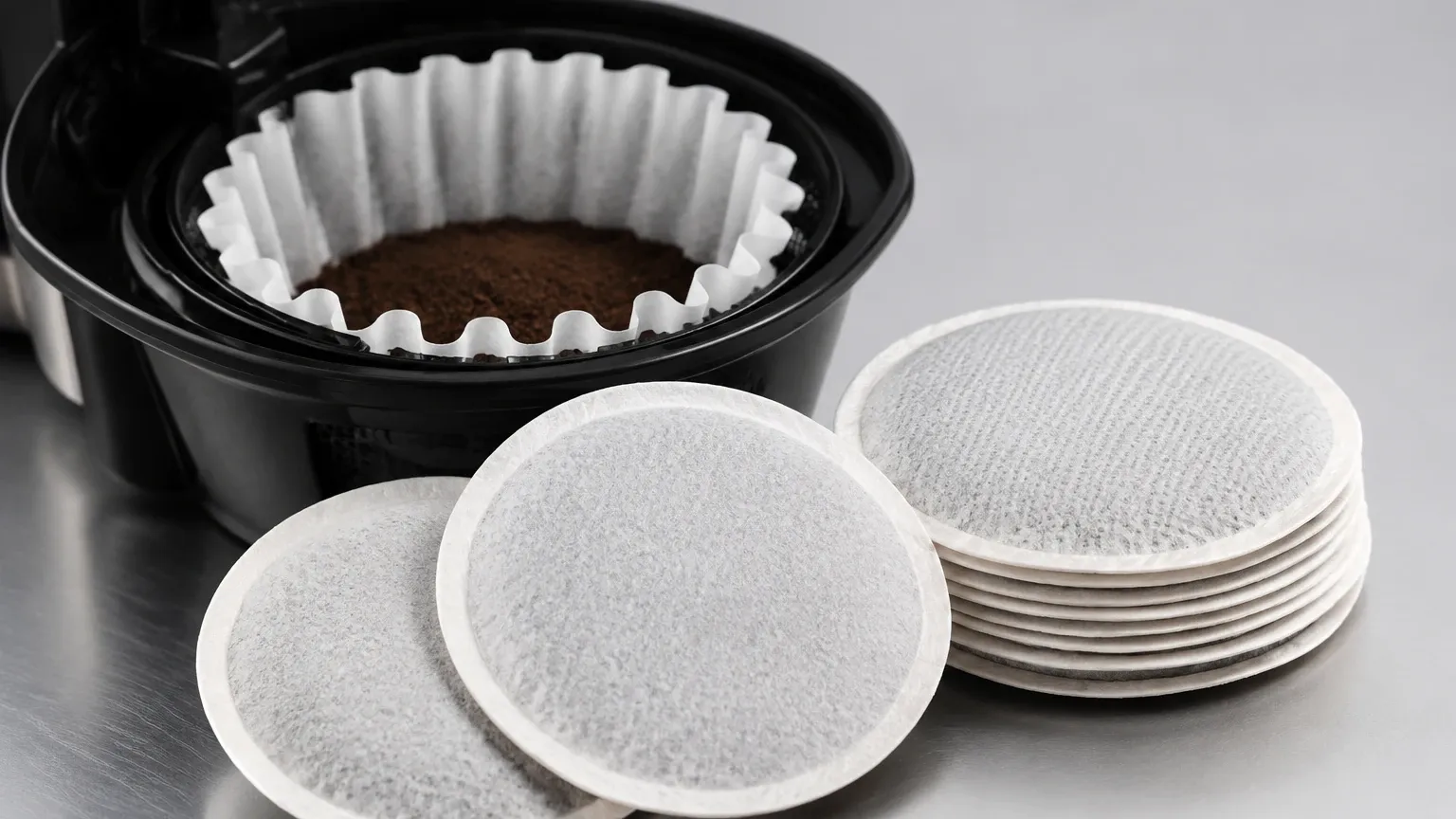
In the commercial food and beverage industry, filtration efficiency is a critical determinant of product consistency and operational overhead. While the term "8 cup coffee filter packs" often brings to mind consumer-grade paper disposables, the industrial and OEM perspective focuses on the permanent, high-precision components that facilitate these brewing cycles. For manufacturers of commercial brewing equipment, selecting the right Filter Discs & Packs is an engineering decision that impacts flow dynamics, sediment control, and the long-term reliability of the machine.
Industrial-grade filtration solutions, particularly those utilizing stainless steel wire mesh, offer a sustainable and high-performance alternative to traditional media. This guide explores the technical specifications, material considerations, and engineering requirements for filter packs designed for 8-cup brewing systems and similar commercial applications.
Understanding the Engineering Behind 8 Cup Coffee Filter Packs
The "8-cup" designation serves as a volumetric standard in the brewing industry, typically referring to a total output of approximately 40 to 64 ounces of liquid, depending on the specific regional definition of a "cup." From a filtration engineering standpoint, this volume dictates the required surface area and flow rate of the filter media.
When designing or procuring 8 cup coffee filter packs for commercial use, engineers must calculate the flux—the rate of flow per unit area. If the filter disc is too small, the hydrostatic pressure within the brew basket increases, leading to potential overflow or over-extraction. Conversely, a disc that is too large for the housing may result in bypass, where the liquid escapes around the edges of the filter without being properly processed. Precision manufacturing ensures that the diameter and thickness of the filter pack align perfectly with the equipment's tolerances.
Material Selection: Stainless Steel Wire Mesh vs. Disposable Media
In high-volume environments, the transition from disposable paper packs to permanent stainless steel filter discs is driven by both performance and cost-of-ownership considerations. Stainless steel, specifically AISI 304 and 316L grades, provides several technical advantages:
1. Chemical Inertia: Unlike paper, which can impart a "woody" or bleached flavor to the filtrate, stainless steel is chemically stable. It does not react with the acidic compounds found in coffee, ensuring the sensory profile remains dictated solely by the raw material.
2. Micron Precision: Woven wire mesh allows for exact control over pore size. For standard brewing, a micron rating between 60 and 150 is often preferred to balance clarity with the retention of essential oils.
3. Durability: Industrial filter packs are designed to withstand thousands of cycles. They resist deformation under heat and pressure, maintaining their structural integrity where paper would tear or collapse.
4. Sustainability: By eliminating the waste stream associated with single-use packs, facilities can reduce their environmental footprint and simplify supply chain logistics.
Structural Design of Industrial Filter Discs and Packs
Not all 8 cup coffee filter packs are created equal. The construction of the filter component determines its longevity and ease of cleaning. In the industrial sector, these are often categorized by their mechanical assembly:
Single-Layer Filter Discs
These consist of a single sheet of precision-woven wire mesh. They are ideal for applications where low pressure drop is required and where the cleaning process involves simple backwashing. They are often used as secondary filters or in systems with lower sediment loads.
Multi-Layer Sintered Packs
For more demanding applications, multiple layers of mesh are sintered together. This process involves bonding the layers at their contact points using heat and pressure without the use of binders. A common configuration includes a fine filtration layer protected by coarser support layers on both sides. This adds significant mechanical strength, allowing the filter to withstand higher differential pressures without distorting the pore geometry.
Bound Edges and Spot Welding
To ensure safety and prevent fraying, the edges of the filter discs are often finished with a metal rim (binding) or spot-welded. A bound edge provides a better seal within the filter housing, preventing the bypass of solids and protecting the user from sharp wire ends during maintenance.
Performance Metrics for Commercial Brewing Filtration
When evaluating Filter Discs & Packs for 8-cup systems, procurement teams should focus on several key performance indicators (KPIs):
* Flow Rate (Permeability): The mesh must allow the liquid to pass at a rate that matches the water delivery system of the brewer. If the permeability is too low, the brewing cycle is extended, which can negatively affect the flavor profile.
* Retention Efficiency: This refers to the filter's ability to capture particulates of a specific size. In coffee applications, the goal is often to remove "fines" (very small particles) that cause bitterness and silt, while allowing aromatic oils to pass through.
* Pressure Drop: As the filter cake builds up, the resistance to flow increases. A well-engineered metal filter pack is designed to minimize the initial pressure drop, providing more "headroom" before cleaning is required.
* Mechanical Stability: The filter must remain flat and seated during the expansion and contraction caused by rapid temperature changes (from ambient to near-boiling water).
Customization and OEM Manufacturing for Filtration Components
Many commercial 8-cup brewing systems utilize proprietary geometries that require custom filtration components. OEM manufacturers like Kaifil specialize in tailoring filter discs to these specific requirements. Customization options typically include:
* Geometry: While circular discs are standard, oval, rectangular, or complex polygonal shapes can be produced to fit unique brew basket designs.
* Layer Configuration: Engineers can specify the number of mesh layers and the micron rating of each layer to achieve a specific filtration gradient.
* Material Grades: While 304 stainless steel is standard for food applications, 316L may be specified for environments with high chloride content or where aggressive cleaning agents are used.
* Rim Materials: Edges can be bound with stainless steel, aluminum, or food-grade copper, depending on the galvanic compatibility with the rest of the machine.
By working with a specialized manufacturer, equipment designers can ensure that the filtration component is not an afterthought but a core part of the system's performance architecture.
Maintenance, Cleaning, and Longevity
The total cost of ownership (TCO) for permanent 8 cup coffee filter packs is significantly lower than disposables, provided a proper maintenance regimen is followed. Unlike paper, which is discarded, metal filters must be cleaned to prevent the buildup of oils and calcification.
Cleaning Protocols
In a B2B or commercial setting, cleaning usually involves an ultrasonic bath or a soak in a food-grade degreasing agent. Because stainless steel is robust, it can handle high-temperature sanitation cycles that would destroy other materials. For automated systems, backpulsing with air or water can effectively clear the mesh surface.
Replacement Cycles
While stainless steel filters are "permanent," they are still subject to wear over years of heavy use. Signs that a filter pack needs replacement include visible deformation of the mesh, persistent clogging that cannot be resolved by cleaning (blinding), or damage to the bound edges. In most commercial environments, a high-quality stainless steel disc can last for several years, representing a massive reduction in consumable costs compared to daily paper filter usage.
Critical Information for Procurement and Design Engineers
Before finalizing a purchase or design specification for 8 cup coffee filter packs, technical teams should confirm the following details with their supplier:
1. Mesh Count and Wire Diameter: These determine the open area percentage, which directly correlates to flow capacity.
2. Compliance Standards: Ensure the materials meet FDA or equivalent food-safety standards for contact with hot liquids.
3. Tolerances: Specify the allowable variance in diameter and thickness to ensure a snug fit in the filter housing.
4. Sample Testing: For new equipment designs, it is advisable to perform flow-rate testing with various mesh configurations to find the optimal balance between clarity and speed.
By focusing on these technical parameters, businesses can move beyond the limitations of standard consumer products and implement filtration solutions that enhance equipment performance and product quality. For those looking to optimize their industrial filtration processes, exploring specialized Filter Discs & Packs is the first step toward a more efficient and sustainable operation.
