


Are K&n Filters Reusable
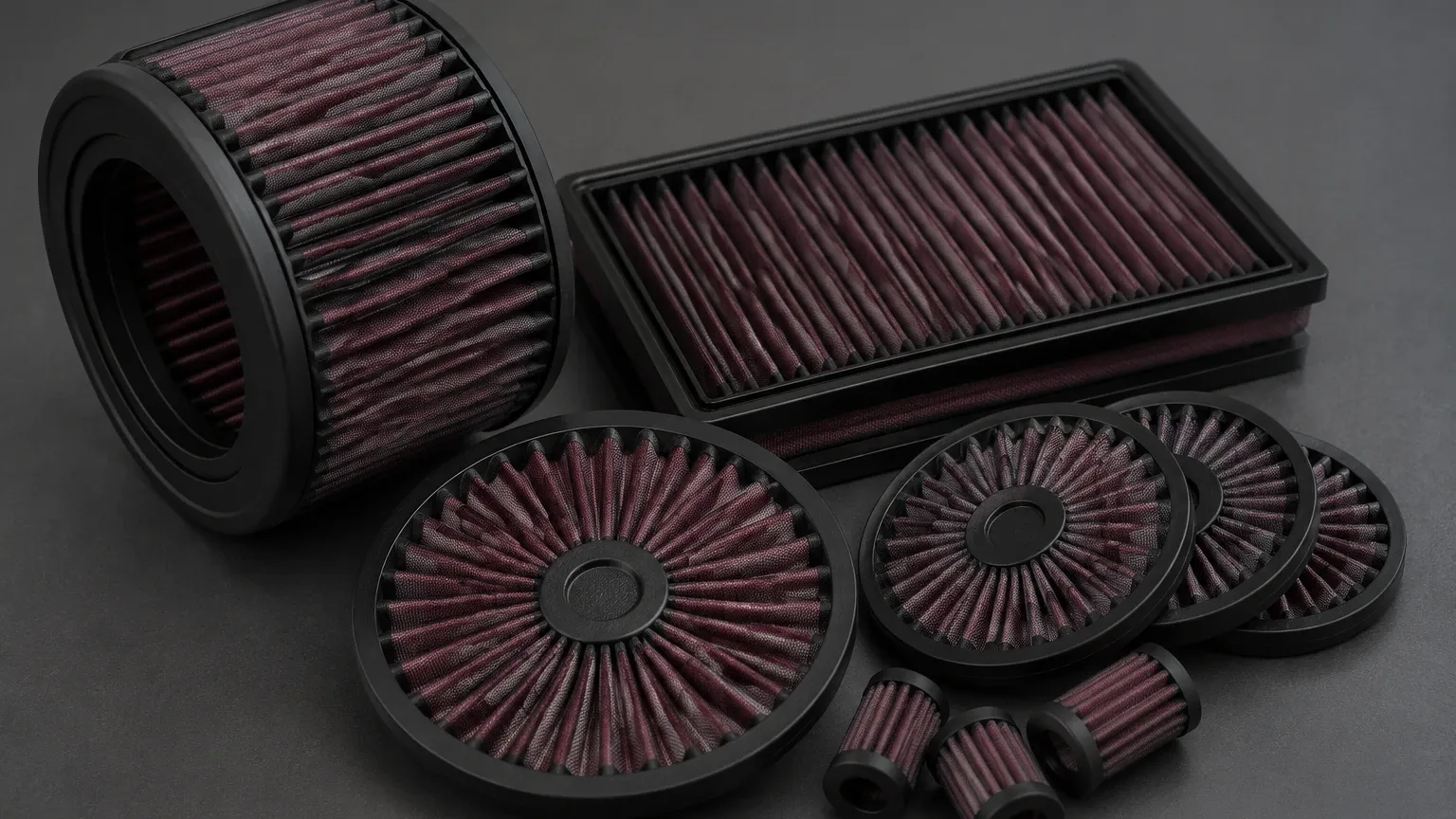
In the world of filtration, the term "reusable" often brings to mind consumer-grade automotive components. If you are asking are k&n filters reusable, the short answer is yes. These filters are designed with a cotton gauze media that can be cleaned, re-oiled, and returned to service multiple times. However, for engineers and procurement professionals in the industrial sector, the concept of reusability extends far beyond simple automotive maintenance.
In industrial environments—such as chemical processing, pharmaceutical manufacturing, and high-pressure hydraulic systems—reusability is not just a convenience; it is a critical engineering requirement driven by cost-efficiency, waste reduction, and material durability. While consumer filters use organic fibers like cotton, industrial-grade Filter Discs & Packs utilize stainless steel wire mesh and sintered metals to achieve a level of reusability that can withstand extreme temperatures and corrosive chemicals.
Understanding Reusability in Industrial Filtration Systems
When evaluating whether a filter is reusable, engineers must look at the structural integrity of the media. A reusable filter must be able to undergo multiple cleaning cycles without losing its filtration accuracy or structural shape.
In the context of the question are k&n filters reusable, the process involves a specific cleaning kit that dissolves dirt and replaces the oil that traps particles. In contrast, industrial stainless steel filters are designed for "permanent" installation. They are cleaned using methods such as backwashing, ultrasonic cleaning, or chemical baths.
For B2B applications, the decision to use reusable media over disposable depth filters (like paper or melt-blown polypropylene) depends on several technical factors:
1. Chemical Compatibility: Does the cleaning agent or the process fluid degrade the media?
2. Pressure Differential: Can the media withstand the "bubble point" pressure and the stresses of back-flushing?
3. Temperature Resistance: Will the filter maintain its micron rating at 500°F or higher?
4. Total Cost of Ownership (TCO): Does the higher initial capital expenditure (CAPEX) of a stainless steel filter outweigh the recurring operational expenditure (OPEX) of disposable cartridges?
Comparing Media Types: Cotton Gauze vs. Stainless Steel Wire Mesh
To understand the limits of reusability, one must compare the materials involved. The cotton gauze used in K&N filters is a surface-loading medium that relies on oil tackiness to capture contaminants. While effective for air intake in internal combustion engines, it lacks the mechanical strength required for heavy industrial fluid processing.
Industrial Filter Discs & Packs manufactured by specialists like Kaifil utilize multi-layered stainless steel wire mesh (typically Grade 304 or 316L). Unlike cotton, stainless steel mesh offers:
* Precision Apertures: The weave of the wire mesh is mechanically fixed, ensuring that the micron rating remains constant even after hundreds of cleaning cycles.
* Mechanical Rigidity: Sintered wire mesh packs can withstand high differential pressures that would collapse organic or synthetic fibers.
* Sterilization Compatibility: In food and beverage or pharmaceutical applications, reusable filters must be compatible with Steam-in-Place (SIP) and Clean-in-Place (CIP) protocols.
While the answer to are k&n filters reusable is affirmative for their specific use case, they cannot be substituted for metal mesh in industrial settings where precision and durability are non-negotiable.
Engineering Advantages of Reusable Filter Discs & Packs
In high-viscosity applications, such as polymer filtration or oil refining, the use of precision-engineered Filter Discs & Packs is standard. These components are often custom-designed to fit specific housing geometries and filtration requirements.
Multi-Layer Construction
Industrial filter packs are rarely a single layer of mesh. Instead, they are composed of a "pack" of different meshes. A typical configuration includes:
* The Filtration Layer: The middle layer that defines the micron rating.
* Support Layers: Coarser mesh on either side that provides mechanical strength and prevents the fine filtration layer from deforming under pressure.
* Drainage Layers: Layers that facilitate the flow of the filtrate toward the outlet.
Rim and Binding Options
To ensure these packs remain reusable and easy to handle, they are often bound with a metal rim (aluminum, stainless steel, or copper). This rim prevents fraying at the edges and provides a reliable sealing surface against the filter housing, preventing bypass—a common failure point in poorly designed reusable filters.
Maintenance and Cleaning Protocols for Permanent Filtration Media
The reusability of any filter is only as good as the cleaning protocol applied to it. For consumer filters, the answer to are k&n filters reusable is contingent on the user following a specific "wash and oil" procedure. In the B2B sector, the cleaning of stainless steel filter discs is a more rigorous engineering process.
Ultrasonic Cleaning
This is the most effective method for cleaning fine wire mesh. High-frequency sound waves create cavitation bubbles in a cleaning solution, which implode and strip contaminants from the internal pores of the mesh that mechanical scrubbing cannot reach.
Chemical Cleaning (Pickling and Passivation)
For filters used in chemical processing, residual polymers or calcified deposits may require acid or alkaline baths to dissolve the blockage. Stainless steel 316L is specifically chosen for these applications because of its resistance to such aggressive cleaning agents.
Thermal Cleaning (Burn-off)
In the plastics and polymer industry, filter packs are often placed in a vacuum oven or a fluidized bed to burn off residual plastic at high temperatures, leaving the stainless steel mesh clean and ready for reuse.
Selection Criteria: When to Choose Reusable Over Disposable Filters
Engineers must determine if the transition to reusable stainless steel media is justified. While the question are k&n filters reusable is often asked by enthusiasts looking to save money over the life of a vehicle, industrial buyers must look at the broader operational impact.
1. Micron Rating Requirements
Reusable wire mesh filters are excellent for filtration ranges from 5 microns up to several millimeters. If your application requires sub-micron filtration (e.g., 0.2 microns for sterile air), disposable membrane filters are often still the industry standard, though sintered metal powders are closing this gap.
2. Flow Rates and Pressure Drop
Stainless steel mesh offers a high open-area ratio, which results in a lower initial pressure drop compared to depth filters. This efficiency can lead to significant energy savings in large-pumping systems.
3. Waste Management Regulations
In many jurisdictions, used disposable filters are classified as hazardous waste if they have been used to filter toxic chemicals or oils. By moving to reusable Filter Discs & Packs, companies can significantly reduce their hazardous waste stream, simplifying environmental compliance.
Cost-Benefit Analysis of Washable Filtration Components
To provide a factual B2B perspective, we must look at the Total Cost of Ownership (TCO). A disposable filter might cost $50, while a custom stainless steel filter pack might cost $500. At first glance, the disposable option seems cheaper.
However, if the process requires a filter change every week, the annual cost of disposables is $2,600, plus the labor cost of replacement and the cost of disposal. A reusable stainless steel filter pack, if maintained correctly, can last for years. Even with the added cost of a cleaning station (ultrasonic bath), the ROI is typically achieved within the first 6 to 12 months of operation.
Furthermore, the "reusability" of metal filters eliminates the risk of supply chain disruptions. During periods of material shortages, facilities that rely on disposable filters may face downtime if their specific cartridges are out of stock. A facility utilizing reusable metal mesh is insulated from these market fluctuations.
Conclusion: The Reality of Reusability
So, are k&n filters reusable? Yes, within their intended automotive context. But for the industrial professional, reusability is a sophisticated material science. Whether you are filtering hydraulic fluids, food products, or aggressive chemicals, the shift toward permanent, washable filtration media is a move toward greater precision and sustainability.
By selecting high-quality stainless steel Filter Discs & Packs, engineering teams can ensure consistent performance, lower long-term costs, and a more robust production process. When specifying your next filtration system, consider not just the initial micron rating, but the cleaning protocols and material durability that will define the filter's true lifespan.
