


Cellulose Nitrate Membrane Filter Discs
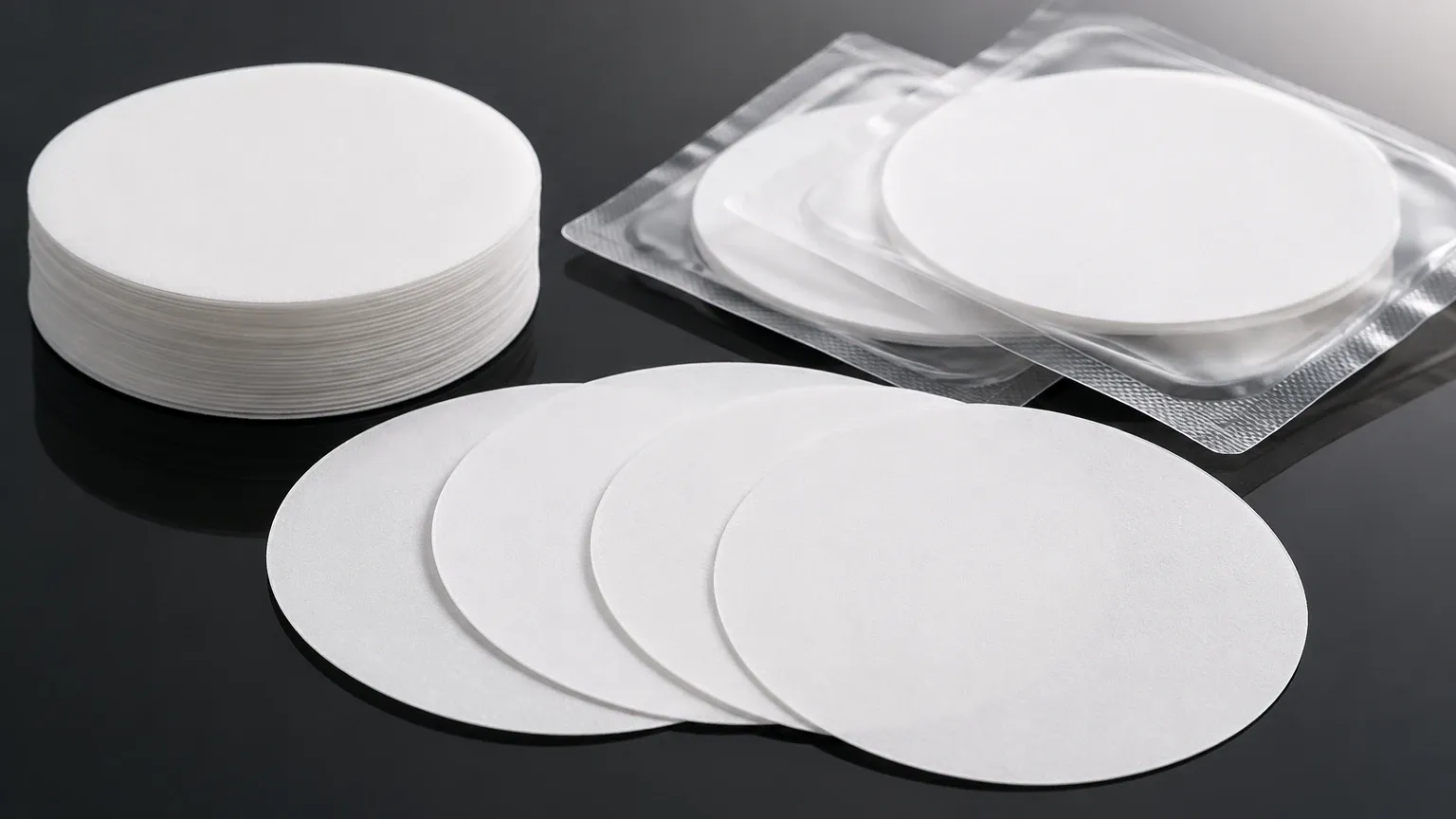
In the landscape of industrial filtration, the selection of the correct media is a critical engineering decision that impacts product purity, process efficiency, and regulatory compliance. Among the various specialized media used in laboratory and industrial settings, cellulose nitrate membrane filter discs represent a standard for microbiological analysis and high-precision clarification. These membranes, often referred to as nitrocellulose, are composed of synthetic esters of cellulose and are characterized by their high porosity and consistent pore structure.
While industrial manufacturers like Kaifil specialize in robust, reusable stainless steel filtration solutions, understanding the role of disposable membrane media is essential for engineers who manage multi-stage filtration systems. Often, high-durability Filter Discs & Packs made of stainless steel serve as the primary or secondary filtration stage, protecting more delicate membrane filters downstream. This article provides a technical overview of cellulose nitrate membrane filter discs, their performance characteristics, and the criteria engineers must evaluate when integrating them into industrial processes.
Technical Properties of Cellulose Nitrate Membranes
Cellulose nitrate is a highly popular material for membrane filtration due to its unique physical and chemical properties. From an engineering perspective, the most significant advantage of these discs is their high porosity. Typically, a cellulose nitrate membrane consists of approximately 80% void space, which facilitates exceptionally high flow rates relative to the pore size.
Pore Size Uniformity
Unlike depth filters, which rely on a tortuous path to trap particles, cellulose nitrate membrane filter discs provide surface filtration with a very narrow pore size distribution. This precision allows for the absolute retention of particles or microorganisms larger than the rated pore size. Common industrial ratings include 0.22 μm for sterilization and 0.45 μm for general microbiological recovery.
Protein Binding Characteristics
One of the defining features of cellulose nitrate is its high non-specific protein binding capacity. In many pharmaceutical and biotechnological applications, this property is leveraged for diagnostic blotting (such as Western blots). However, in filtration processes where protein recovery is the goal, this high binding affinity must be accounted for as a potential source of yield loss. Engineers must determine if the adsorption of proteins onto the membrane surface will interfere with the final product concentration.
Wetting and Thermal Stability
Cellulose nitrate membranes are naturally hydrophilic, meaning they do not require pre-wetting with alcohols or surfactants before filtering aqueous solutions. This simplifies the operational workflow in quality control labs. However, they possess limited thermal stability. These membranes are typically heat-sensitive and cannot withstand the high temperatures required for dry heat sterilization. They are generally compatible with autoclaving at 121°C (250°F), provided they are handled correctly to prevent brittleness.
Primary Applications in Microbiology and Quality Control
Cellulose nitrate membrane filter discs are the industry standard for several critical analytical procedures. Their design is optimized for the recovery and growth of microorganisms, making them indispensable in sectors where microbial contamination is a risk.
Water Quality Testing
In municipal and industrial water treatment, these discs are used for the detection of coliforms and other indicator organisms. The membrane filtration (MF) technique involves passing a known volume of water through a 0.45 μm cellulose nitrate disc, which is then placed on a nutrient medium. The high recovery rate of the membrane ensures that even low levels of contamination are detected.
Food and Beverage Safety
For the production of bottled water, soft drinks, and beer, maintaining a sterile environment is paramount. Cellulose nitrate discs are used to monitor the efficacy of the primary filtration system. By sampling the product at various stages, quality control teams can verify that the larger Filter Discs & Packs and cartridges used in the main production line are functioning within specifications.
Pharmaceutical Clarification
In the pharmaceutical industry, these membranes are used for the clarification of aqueous solutions and the removal of particulates from reagents. Because they provide a clean filtrate with minimal extractables, they are suitable for preparing samples for HPLC (High-Performance Liquid Chromatography) and other sensitive analytical instruments.
Comparing Cellulose Nitrate with Stainless Steel Filter Discs
When designing a filtration system, engineers often face a choice between disposable membrane discs and reusable metal components. The decision is usually driven by the specific requirements of the application, including pressure, temperature, and the nature of the fluid.
| Feature | Cellulose Nitrate Membrane | Stainless Steel Filter Discs |
| :— | :— | :— |
| Mechanism | Surface filtration (Absolute) | Surface or Depth filtration |
| Durability | Single-use, fragile | Reusable, high mechanical strength |
| Temperature Limit | Low (typically <130°C) | High (up to 600°C+ depending on alloy) |
| Chemical Resistance | Limited (sensitive to ketones/esters) | Broad (excellent resistance to most chemicals) |
| Pressure Tolerance | Low (requires support) | High (self-supporting in many designs) |
| Primary Use | Analytical/Sterile filtration | Industrial processing/Pre-filtration |
In many industrial setups, these two media types are complementary. Stainless steel Filter Discs & Packs are utilized in the main process stream to handle high solids loading and high pressures. The cellulose nitrate membrane is then used in the laboratory to analyze the efficiency of the industrial process or as a final, small-scale polishing step where absolute sterility is required.
Selection Criteria for Engineering and Procurement
Selecting the appropriate cellulose nitrate membrane filter discs requires a thorough understanding of the process fluid and the desired outcome. Procurement teams should confirm the following technical specifications before purchasing:
1. Pore Size Rating: Determine if the application requires 0.1 μm, 0.22 μm, 0.45 μm, or larger. For bacterial retention, 0.22 μm is the standard, while 0.45 μm is used for most microbiological growth studies.
2. Diameter: Discs must be sized to fit the filter holder or housing. Standard diameters include 13mm, 25mm, 47mm, and 90mm. A mismatch in diameter can lead to bypass and system failure.
3. Wetting Requirements: Confirm that the aqueous nature of the fluid is compatible with the hydrophilic properties of cellulose nitrate. For organic solvents, alternative materials like PTFE or Nylon may be required.
4. Extractables: In sensitive analytical applications, ensure the membrane has low levels of extractables to prevent interference with downstream results.
5. Sterility: Determine if the discs need to be supplied pre-sterilized (often individually wrapped) or if they will be sterilized on-site.
Operational Considerations and Common Risks
Integrating cellulose nitrate membranes into a workflow involves managing certain risks inherent to the material. Engineers must design protocols that account for the following:
Chemical Incompatibility
Cellulose nitrate is highly susceptible to damage by certain chemicals. It is not compatible with strong acids, strong bases, or organic solvents such as ketones (e.g., acetone), esters, and ether-alcohols. Exposure to these substances will cause the membrane to dissolve or lose its structural integrity. Always consult a chemical compatibility chart before introducing a new fluid to the membrane.
Handling and Brittleness
These membranes are thin and can become brittle, especially after autoclaving or if they are allowed to dry out completely after being wetted. Proper handling with non-serrated forceps is necessary to prevent tearing. If a membrane is damaged during installation into a holder, it will fail to provide the required filtration efficiency.
Pressure Limitations
Due to their thin cross-section, cellulose nitrate membrane filter discs cannot withstand high differential pressures on their own. They must be supported by a rigid backing, such as a stainless steel mesh or a specialized plastic support screen. In industrial filter holders, the support structure is critical to prevent the membrane from rupturing under the force of the fluid flow.
Customization and Integration into Industrial Systems
While standard cellulose nitrate discs serve laboratory needs, industrial filtration often requires customized solutions that combine different media types. For example, a multi-layer filter pack might include a stainless steel mesh for structural support, a non-woven pre-filter layer to capture large debris, and a final membrane layer for precision.
Manufacturers like Kaifil provide the engineering expertise to develop these complex Filter Discs & Packs. By understanding the interplay between different materials, engineers can optimize the total cost of ownership. Using a high-quality stainless steel pre-filter can significantly extend the life of expensive membrane discs by reducing the particulate load that reaches the final stage.
Total Cost Considerations
When evaluating the cost of filtration, it is a mistake to look only at the price per disc. Engineers should consider:
* Throughput: How much volume can a single disc process before clogging?
* Downtime: How long does it take to change out a filter pack?
* Yield: Is the membrane adsorbing valuable product (e.g., proteins or active ingredients)?
* Waste: What are the disposal costs for used membranes vs. the cleaning costs for reusable metal filters?
In many high-volume industrial applications, transitioning from a purely membrane-based system to a hybrid system using reusable stainless steel components for primary filtration offers substantial long-term savings.
Conclusion
Cellulose nitrate membrane filter discs remain a foundational tool in industrial microbiology and precise analytical filtration. Their high porosity and absolute retention capabilities make them ideal for quality control and sterile sampling. However, their limitations regarding chemical resistance and mechanical strength require careful system design. By integrating these membranes with robust Filter Discs & Packs and following rigorous selection and handling protocols, engineers can ensure the highest standards of filtration performance across chemical, pharmaceutical, and food processing applications. For custom filtration challenges, collaborating with a specialized manufacturer like Kaifil ensures that the chosen solution—whether metal, polymer, or a hybrid—is engineered to meet the specific demands of the industrial environment.
