


Coffee Filter Pack Machine
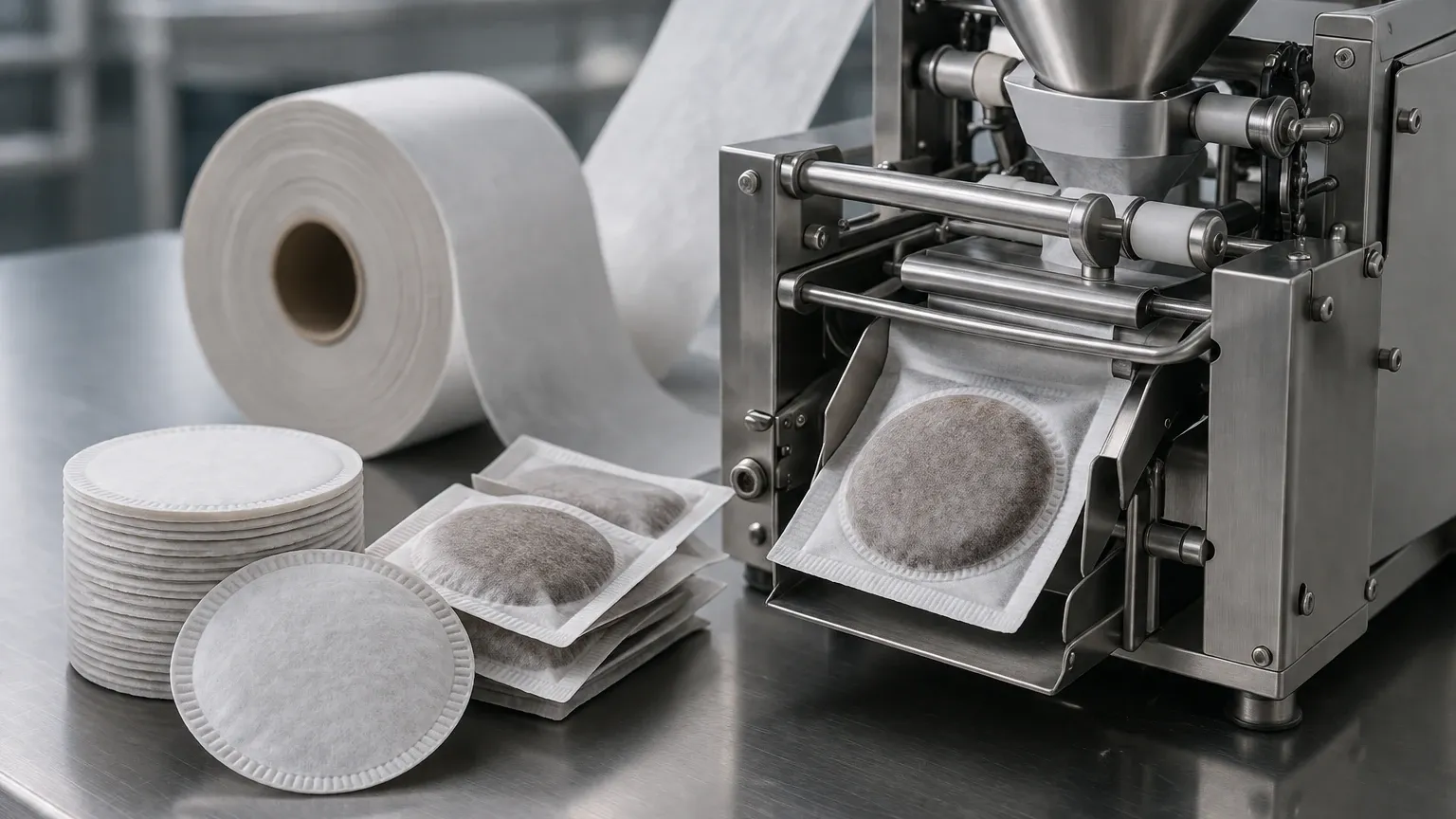
In the industrial landscape of food and beverage production, the coffee filter pack machine represents a critical intersection of precision engineering and high-speed automation. These machines are designed to portion, fill, and seal coffee grounds into individual filter pouches or pods with extreme consistency. For engineers and facility managers, the efficiency of a coffee filter pack machine is not merely dependent on its mechanical throughput but also on the quality of the internal filtration components that manage airflow, particulate control, and product integrity.
Industrial coffee packaging requires a sophisticated understanding of material science and fluid dynamics. Whether the machine is producing soft pods, hard capsules, or large-scale commercial filter packs for hotel brewing systems, the underlying technology must account for the physical properties of ground coffee, including its density, moisture content, and the presence of volatile oils. This article examines the technical requirements of these systems, focusing on the essential role of metal filtration components in maintaining operational uptime and product quality.
Understanding the Mechanics of Coffee Filter Pack Systems
A coffee filter pack machine operates through a series of synchronized stages: material unwinding, dosing, filling, sealing, and cutting. Each stage presents unique challenges regarding particulate management. During the dosing phase, precision augers or volumetric feeders dispense a specific weight of coffee into a formed pocket of filter media. At this point, the control of "fines"—microscopic coffee particles—is paramount.
If fines are not properly managed, they can migrate into the sealing areas of the machine, leading to compromised seals and product leakage. Furthermore, in vacuum-assisted transport systems within the machine, air must be filtered to prevent coffee dust from entering the vacuum pumps or pneumatic actuators. This is where high-performance Filter Discs & Packs become indispensable. These metal components act as robust barriers that allow air to pass while capturing even the smallest particulates, ensuring that the internal mechanisms of the coffee filter pack machine remain clean and functional over long production cycles.
Technical Requirements for Filter Discs & Packs in High-Speed Machinery
In high-volume environments, the filtration components used within a coffee filter pack machine must meet rigorous mechanical standards. Unlike standard commercial filters, industrial filter discs must withstand constant pressure fluctuations and mechanical vibration without losing their structural integrity.
Micron Rating and Particulate Retention
The selection of the correct micron rating is a balance between flow rate and retention efficiency. For coffee applications, the filtration media must be fine enough to capture dust that can range from 10 to 100 microns, depending on the grind size. Using a multi-layer mesh pack allows for graduated filtration, where coarser outer layers provide structural support and pre-filtration, while a fine inner layer provides the final particulate barrier.
Pressure Drop and Airflow Consistency
In vacuum-operated packaging lines, a high pressure drop across a filter can lead to sluggish machine performance or inaccurate dosing. Precision-engineered metal filter packs are designed to provide a high percentage of open area, which minimizes resistance to airflow. This consistency is vital for maintaining the high cycle rates required by modern production targets.
Mechanical Durability
The repetitive nature of the coffee filter pack machine’s operation means that filtration components are subject to fatigue. Stainless steel wire mesh, particularly when sintered or reinforced with a solid metal rim, offers the necessary rigidity to prevent mesh migration or deformation under vacuum pressure.
Material Selection for Food-Grade Industrial Filtration
When specifying components for a coffee filter pack machine, material compatibility is a non-negotiable factor. Because the equipment is in direct or indirect contact with food products, the materials must comply with international safety standards, such as those set by the FDA or EU food contact regulations.
Stainless steel is the preferred material for these applications due to its inert nature and resistance to corrosion. Specifically, Grade 304 and Grade 316L stainless steel are the industry standards:
* Grade 304 Stainless Steel: Offers excellent durability and is suitable for most dry coffee packaging environments. It provides good resistance to oxidation and is easily cleaned using standard industrial protocols.
* Grade 316L Stainless Steel: Contains molybdenum, which provides enhanced resistance to chlorides and organic acids found in coffee oils. This grade is often specified for environments where frequent chemical cleaning (CIP – Clean In Place) is required or where high-moisture conditions exist.
Beyond corrosion resistance, these materials are chosen for their ability to withstand the high temperatures often associated with the heat-sealing components of a coffee filter pack machine. Metal filter discs maintain their dimensions and filtration accuracy even when exposed to the localized heat of sealing jaws or ultrasonic welding heads.
Engineering Considerations for Coffee Filter Pack Machine Integration
For OEM manufacturers and maintenance engineers, the integration of Filter Discs & Packs into a coffee filter pack machine requires careful attention to fit and form. A poorly fitted filter can allow "bypass," where air and particulates flow around the edges of the filter rather than through the mesh.
Custom Geometry and Edging
Industrial filters are rarely "one size fits all." Depending on the machine's design, filter discs may need to be produced in specific diameters, often with tolerances as tight as +/- 0.1mm. Furthermore, the edge treatment of the disc is critical. Options include:
* Spot-Welded Edges: Suitable for multi-layer packs to ensure the layers remain aligned.
* Aluminum or Stainless Steel Rims: These provide a solid sealing surface and prevent the fraying of wire mesh at the edges, which is essential for preventing metal contamination in the food supply chain.
* Sintered Construction: Where multiple layers of mesh are fused together under heat and pressure, creating a porous but monolithic structure that is exceptionally strong.
Flow Direction and Layer Orientation
In complex packaging machinery, the direction of flow must be clearly defined. Engineers must determine whether the filter is intended for surface filtration or depth filtration. In a coffee filter pack machine, surface filtration is often preferred for easy cleaning, as the coffee dust can be pulsed off the surface of the mesh using compressed air during a cleaning cycle.
Maintenance Protocols and Performance Optimization
The longevity of a coffee filter pack machine is directly linked to the maintenance of its filtration systems. Clogged filters lead to increased strain on motors and vacuum systems, eventually causing unscheduled downtime. Establishing a clear maintenance schedule based on throughput volume is essential.
Cleaning Methods for Metal Filter Discs
One of the primary advantages of using stainless steel filter packs is their cleanability. Unlike disposable paper or plastic filters, metal components can be refurbished multiple times. Common cleaning methods include:
1. Ultrasonic Cleaning: High-frequency sound waves create cavitation bubbles that dislodge fine coffee oils and particulates from deep within the mesh pores.
2. Back-Flushing: Using high-pressure air or water in the reverse direction of the operational flow to clear the surface.
3. Chemical Soaking: Utilizing food-safe degreasers to break down coffee oil buildup that can become rancid over time and affect product flavor.
Monitoring Performance Indicators
Engineers should monitor the differential pressure across the filter system. A steady increase in pressure drop indicates that the filter is reaching the end of its effective cycle. By tracking these metrics, maintenance teams can replace or clean the Filter Discs & Packs during scheduled windows, avoiding the high costs associated with emergency repairs.
Sourcing Custom Filtration Solutions for OEM Applications
When designing or upgrading a coffee filter pack machine, partnering with a specialized manufacturer like Kaifil provides access to technical expertise that goes beyond simple component supply. Customization is often necessary to solve specific operational challenges, such as reducing static electricity buildup in the coffee grounds or improving the speed of vacuum release.
Technical professionals should confirm several factors before finalizing a filtration specification:
* Mesh Weave Type: Plain weave is common for general filtration, while Dutch weave offers higher strength and finer filtration ratings for high-pressure applications.
* Total Thickness: In many machines, the filter must fit into a recessed housing with very limited clearance.
* Compliance Documentation: Ensuring that the supplier can provide material certificates (MTRs) and food-grade compliance statements is vital for quality assurance and regulatory audits.
By focusing on these technical details, purchasing teams and engineers can ensure that their coffee filter pack machine operates at peak efficiency, delivering consistent product quality while minimizing the total cost of ownership. High-quality metal filtration components are not just spare parts; they are fundamental elements of the machine’s engineering integrity.
