


Disk Filter Hsn Code
In the landscape of international trade and industrial procurement, the classification of technical components is as critical as their engineering specifications. For engineers and procurement specialists sourcing high-precision filtration components, understanding the disk filter hsn code is essential for ensuring regulatory compliance, calculating accurate landed costs, and streamlining cross-border logistics.
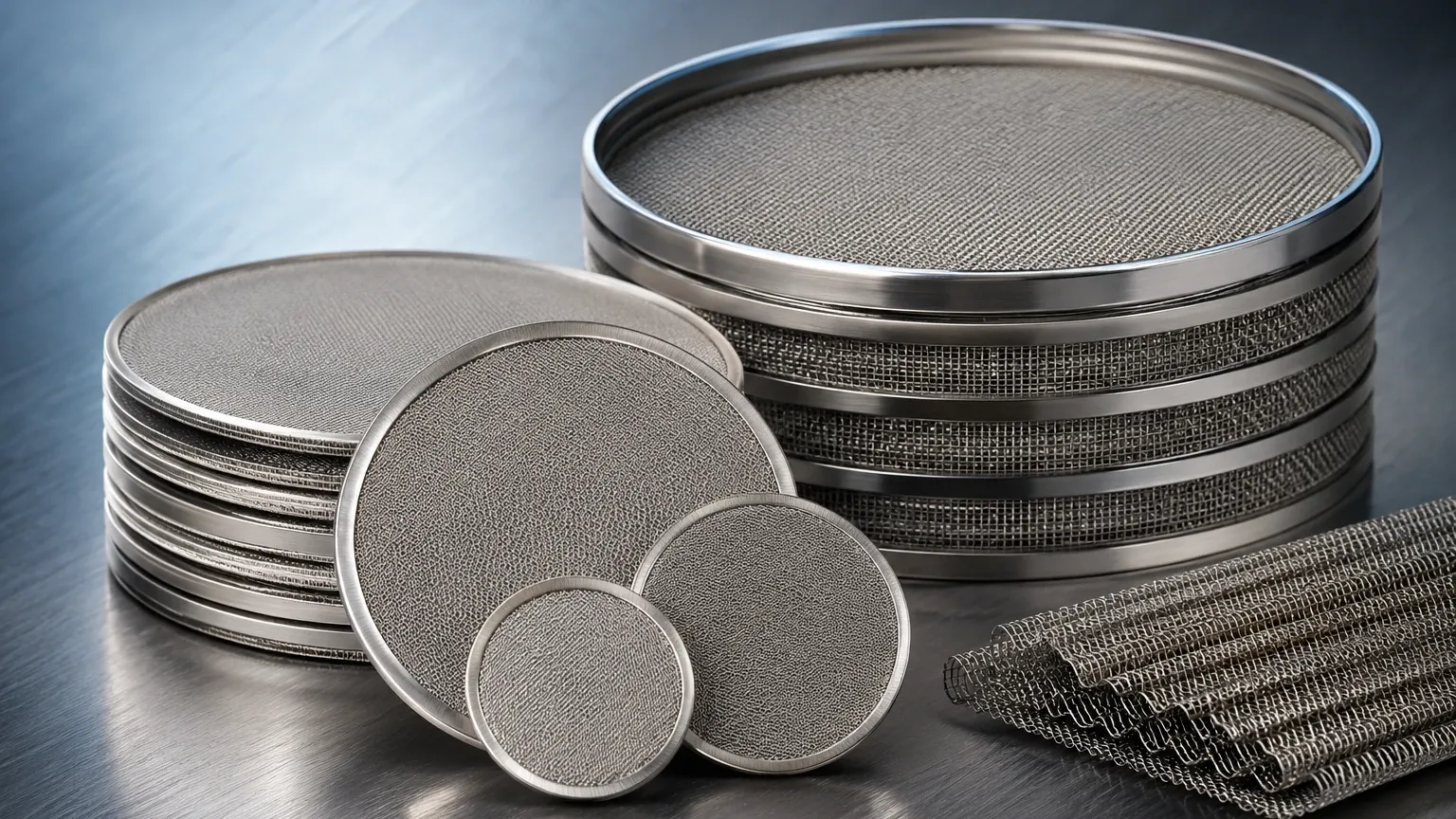
Filter Discs & Packs represent a specialized category of industrial filtration media, often constructed from multiple layers of stainless steel wire mesh. These components are utilized across diverse sectors, including chemical processing, plastic extrusion, and pharmaceutical manufacturing. This guide examines the technical nuances of these filters and the specific HSN (Harmonized System of Nomenclature) classifications that govern their movement in the global market.
Technical Construction of Filter Discs & Packs
Before addressing the administrative aspects of the disk filter hsn code, it is necessary to define the technical characteristics that distinguish these components. Industrial filter discs are typically manufactured using high-grade stainless steel wire mesh, such as SS304, SS316, or SS316L. The choice of material is dictated by the chemical environment and temperature requirements of the application.
Layer Configuration and Bonding
Filter discs can be categorized into two primary structural types:
1. Single-Layer Discs: Used for basic straining or as support layers in complex systems. These are often precision-cut to exact diameters using laser or die-cutting technologies.
2. Multi-Layer Packs: These consist of several layers of wire mesh with varying micron ratings. The layers are arranged to provide progressive filtration, where the outer layers capture larger particles and the inner layers provide fine filtration. These layers can be joined via spot welding or bound with an aluminum, stainless steel, or copper rim (rimmed filters).
Mesh Weave Types
The performance of the filter is largely determined by the weave of the wire mesh. Common weaves include:
* Plain Weave: The most common style, offering high flow rates and standard filtration accuracy.
* Dutch Weave: Provides higher strength and finer filtration ratings by using a heavier warp wire and a finer weft wire.
* Twilled Weave: Allows for the use of heavier wires in a given mesh count, increasing the durability of the disc for high-pressure applications.
Determining the Correct Disk Filter HSN Code
The Harmonized System (HS) is a standardized numerical method of classifying traded products. For industrial filters, the classification primarily falls under Chapter 84, which covers nuclear reactors, boilers, machinery, and mechanical appliances.
The Primary Heading: 8421
The most relevant heading for the disk filter hsn code is 8421, which encompasses "Centrifuges, including centrifugal dryers; filtering or purifying machinery and apparatus, for liquids or gases."
Under this heading, the classification narrows down based on the function and the medium being filtered:
* HSN 8421 21: Specifically for the filtering or purifying of water.
* HSN 8421 29: Filtering or purifying machinery and apparatus for liquids other than water. This is the most common sub-heading for industrial stainless steel filter discs used in oil, chemical, and polymer filtration.
* HSN 8421 39: Filtering or purifying machinery and apparatus for gases. This applies when the filter discs are used in air or gas exhaust systems.
* HSN 8421 99: This sub-heading is frequently used for "Parts" of filtering or purifying machinery. Since filter discs and packs are often components of a larger filtration housing or machine, they are frequently classified here.
Importance of Accurate Classification
Using the correct code is vital for several reasons:
* Duty Drawbacks: Accurate coding ensures that the buyer pays the correct import duty and can claim any applicable tax credits.
* Customs Clearance: Incorrect HSN codes can lead to shipment delays, inspections, and potential fines from customs authorities.
* Trade Statistics: Governments use these codes to monitor the volume of specific industrial goods entering or leaving the country.
Engineering Considerations for Filter Selection
When specifying Filter Discs & Packs for a project, engineers must look beyond the HSN code and focus on the performance parameters that ensure operational efficiency.
Filtration Accuracy (Micron Rating)
The micron rating defines the size of particles the filter is capable of removing. In industrial applications, it is important to distinguish between "nominal" and "absolute" ratings. An absolute rating indicates that 99.9% of particles of a specific size will be retained, whereas a nominal rating is an average based on the weight of the particles captured.
Differential Pressure (Delta P)
As a filter captures contaminants, the pressure drop across the media increases. Engineers must calculate the initial clean pressure drop to ensure the system’s pump or compressor can handle the resistance. High-quality stainless steel mesh is preferred because it maintains structural integrity under high differential pressure without media migration.
Chemical and Thermal Compatibility
In industries like chemical processing or polymer melt filtration, the filter is exposed to extreme temperatures and corrosive substances. Stainless steel 316L is the industry standard for these environments due to its molybdenum content, which provides superior resistance to pitting and crevice corrosion.
Customization and OEM Capabilities
Industrial filtration requirements are rarely "one size fits all." Customization is often required to fit specific housing designs or to meet unique flow characteristics. Professional manufacturers provide a range of OEM services to address these needs.
Custom Geometry
While circular discs are the most common, filtration components can be manufactured in oval, rectangular, or ring shapes. Precision tooling ensures that the edges are clean and burr-free, which is essential for maintaining a proper seal within the filter holder.
Sintered vs. Non-Sintered Mesh
For applications involving extremely high pressures or back-pulsing (cleaning), sintered wire mesh is often used. Sintering is a process where multiple layers of mesh are bonded together using heat and pressure without the use of binders. This creates a monolithic structure that is incredibly strong and maintains a fixed pore size even under mechanical stress.
Rim and Border Options
To prevent the fraying of wire mesh edges and to facilitate easier handling during replacement, filter packs are often encased in a metal rim. The choice of rim material (aluminum, copper, or stainless steel) should be compatible with the process fluid to prevent galvanic corrosion.
Maintenance and Replacement Cycles
The total cost of ownership (TCO) for filtration systems is heavily influenced by the service life of the filter media. Stainless steel filters offer a significant advantage over disposable synthetic filters because they are often cleanable and reusable.
Cleaning Methods
Depending on the contaminant, stainless steel filter discs can be cleaned using:
* Ultrasonic Cleaning: High-frequency sound waves create cavitation bubbles that dislodge particles from deep within the mesh.
* Burn-off / Pyrolysis: Used for polymer filtration to remove organic resins.
* Chemical Cleaning: Soaking in solvents or acids to dissolve specific residues.
* Back-washing: Reversing the flow of the fluid to push contaminants out of the media.
Identifying Replacement Needs
Even with cleaning, filter discs eventually reach the end of their service life. Signs that a replacement is necessary include:
* Permanent increase in the baseline pressure drop (blinding).
* Physical deformation of the mesh or the rim.
* Breakage of individual wires, which can lead to downstream contamination.
Procurement and Global Logistics Considerations
For purchasing teams, the procurement of industrial filters involves balancing technical performance with logistical efficiency. When ordering, it is recommended to provide the manufacturer with a detailed specification sheet that includes the material grade, mesh count (or micron rating), disc diameter, and any specific requirements for layering or welding.
Confirming the disk filter hsn code with the supplier during the quotation stage can prevent discrepancies in the shipping documentation. Furthermore, buyers should inquire about the manufacturer’s quality control processes, such as bubble point testing or material certification (MTR), to ensure the products meet the required industrial standards.
By focusing on both the technical engineering requirements and the administrative necessities of international trade, organizations can optimize their filtration processes while minimizing the risks associated with global sourcing. High-performance stainless steel filtration components remain a cornerstone of modern industrial efficiency, providing the durability and precision required for demanding applications.
