


E Filters Usa
In the landscape of industrial manufacturing and processing within the United States, the demand for precision-engineered filtration components has seen a significant shift toward high-durability materials. Often categorized under the umbrella of "e filters usa," these engineered filtration solutions are critical for maintaining the purity of fluids, gases, and molten polymers. For engineers and procurement specialists, selecting the right filtration media is not merely a matter of finding a part that fits; it is an engineering decision that impacts system longevity, product quality, and operational safety.
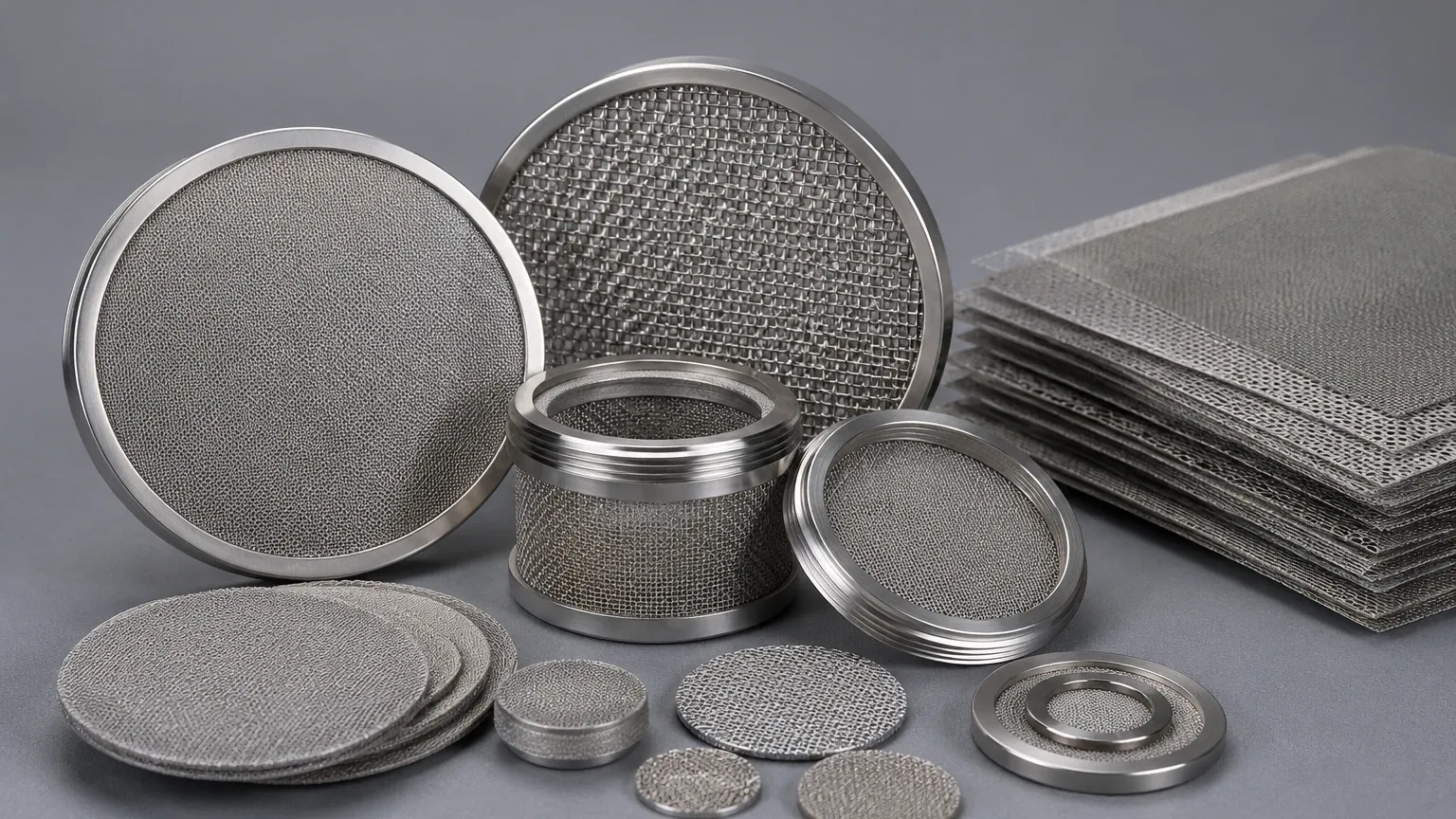
At the core of these high-performance systems are specialized metal mesh components. Among the most versatile and widely utilized are Filter Discs & Packs, which serve as the primary barrier against contaminants in demanding industrial environments. Understanding the technical specifications, material properties, and manufacturing standards required for the US market is essential for optimizing filtration performance.
Technical Requirements for Engineered Filters in the US Market
When sourcing engineered filters for US-based applications, adherence to recognized material standards is the first line of defense against premature failure. The American Iron and Steel Institute (AISI) and ASTM International provide the framework for the stainless steel alloys typically used in these components.
Material Selection and Corrosion Resistance
Stainless steel is the preferred material for industrial filtration due to its mechanical strength and resistance to various chemical agents. The most common grades include:
* AISI 304: A versatile grade suitable for general industrial use where moderate corrosion resistance is required. It is frequently used in water treatment and basic chemical processing.
* AISI 316/316L: Containing molybdenum, these grades offer superior resistance to chlorides and acids. This makes them the standard for pharmaceutical, food and beverage, and marine-adjacent industrial applications. The "L" designation indicates low carbon content, which is vital for components that require welding, as it prevents carbide precipitation and subsequent intergranular corrosion.
* Specialty Alloys: For extreme environments involving high temperatures or highly aggressive chemicals, alloys such as Monel, Inconel, or Hastelloy may be employed in the construction of filter discs and packs.
Filtration Accuracy and Micron Ratings
Engineered filters are defined by their ability to remove particles of a specific size. This is measured in microns (µm). In the context of industrial filtration, engineers must distinguish between nominal and absolute filtration ratings. A nominal rating refers to the ability of the filter to retain a major percentage (usually 60% to 90%) of particles of a certain size, while an absolute rating indicates that 99.9% or more of particles above that size will be captured. For high-precision applications in the medical or aerospace sectors, absolute ratings are mandatory.
Structural Design: Filter Discs & Packs
The configuration of the filter media significantly influences its performance under pressure. Filter discs are typically produced as single-layer or multi-layer units, depending on the required mechanical strength and dirt-holding capacity.
Single-Layer vs. Multi-Layer Construction
Single-layer filter discs are often used in low-pressure applications or as a final polishing stage. However, many industrial processes, such as plastic extrusion or hydraulic fluid filtration, require the robustness of multi-layer packs. These packs consist of several layers of wire mesh with varying mesh counts.
Typically, a multi-layer pack is designed with a graduated density. The outer layers consist of a coarse mesh that provides structural support and captures larger debris (pre-filtration), while the inner layers feature a fine mesh that performs the actual precision filtration. This graduated structure prevents the fine mesh from blinding prematurely, thereby extending the service life of the filter.
Bonding and Rimming Techniques
To ensure the integrity of a multi-layer pack, the individual layers must be securely joined. Common methods include:
1. Spot Welding: Points of contact are welded to keep the layers aligned during installation and operation. This is cost-effective and suitable for most standard applications.
2. Sintering: The mesh layers are bonded together using heat and pressure without the use of a binding agent. This creates a monolithic structure that is exceptionally strong and resistant to high differential pressures.
3. Rimming (Framing): The edges of the discs or packs are enclosed in a metal rim, usually made of aluminum, stainless steel, or copper. Rimming provides a better seal within the filter housing, prevents bypass, and protects the edges of the mesh from fraying.
Engineering Considerations for Selection
Selecting an engineered filter for a US industrial application requires a deep dive into the fluid dynamics and environmental conditions of the system. Engineers must evaluate several key performance indicators (KPIs).
Pressure Drop (ΔP)
Pressure drop is the difference in pressure between the upstream and downstream sides of the filter. A high initial pressure drop indicates that the filter may be too restrictive for the pump's capacity or that the mesh count is higher than necessary. Conversely, as the filter captures contaminants, the pressure drop will naturally increase. Monitoring this change is essential for determining the optimal replacement cycle. In many "e filters usa" applications, such as polymer melt filtration, managing ΔP is critical to preventing process interruptions.
Effective Filtration Area (EFA)
The EFA is the total surface area of the mesh available for fluid flow. Maximizing the EFA allows for lower flow velocities through the mesh, which reduces the risk of particle breakthrough and extends the time between cleanings or replacements. Custom-shaped filter discs and pleated designs are often used to increase EFA within a confined housing space.
Chemical and Thermal Compatibility
Industrial processes often involve extreme temperatures and caustic fluids. The filter media and any bonding materials must be capable of withstanding these conditions without degrading. For instance, in the chemical processing industry, a filter must maintain its structural integrity while exposed to solvents at temperatures exceeding 200°C. Stainless steel wire mesh is particularly valued here for its thermal stability compared to synthetic fiber filters.
Applications of Engineered Metal Filters
The versatility of stainless steel filter components allows them to be used across a broad spectrum of industries. Each sector has unique requirements that dictate the design of the filter discs and packs.
Polymer and Plastic Extrusion
In the production of plastic films, fibers, and resins, molten polymer is forced through a screen pack at high pressure. These packs remove "gels" and un-melted particles that would otherwise cause defects in the final product. Because of the high viscosity of the melt, these filters must withstand immense mechanical stress. Sintered or heavy-duty rimmed packs are the industry standard here.
Pharmaceutical and Biotechnology
In these sectors, the primary concern is purity and cleanability. Filters must be made from high-grade 316L stainless steel to prevent any metallic contamination of the product. Furthermore, the filters must be able to withstand Clean-in-Place (CIP) and Sterilization-in-Place (SIP) procedures, which involve high-pressure steam and aggressive cleaning agents.
Food and Beverage Processing
Filtration in the food industry often involves removing solids from liquids like oils, juices, and syrups. The materials used must be FDA-compliant. Stainless steel mesh is ideal because it does not shed fibers, unlike some fabric or paper filters, ensuring that no foreign material enters the food supply chain.
Quality Control and Compliance Standards
For B2B buyers in the USA, verifying the quality control processes of a manufacturer is a vital step in the procurement process. Reliable filtration performance is the result of rigorous testing and manufacturing precision.
Bubble Point Testing
One of the most common methods for verifying the pore size of a filter is the bubble point test. This non-destructive test measures the pressure required to force air through a liquid-saturated filter. The results are used to calculate the maximum pore size, ensuring that the filter meets its specified micron rating.
ISO Certification and Traceability
Manufacturers providing components for the US market should ideally operate under ISO 9001 quality management systems. Furthermore, material traceability is often a requirement in the aerospace and medical industries. This means the manufacturer can provide Mill Test Reports (MTRs) that verify the chemical composition and physical properties of the stainless steel used in the filters.
Maintenance and Total Cost of Ownership (TCO)
While the initial purchase price of a filter is an important factor, the Total Cost of Ownership (TCO) is a more accurate measure of value. TCO includes the cost of the filter, the labor for replacement, the cost of downtime, and the potential for cleaning and reuse.
Cleanability of Metal Filters
One of the primary advantages of stainless steel filter discs and packs over disposable alternatives is their cleanability. Depending on the contaminant, filters can be cleaned using:
* Ultrasonic Cleaning: High-frequency sound waves create cavitation bubbles that dislodge particles from deep within the mesh.
* Chemical Cleaning: Solvents or acids are used to dissolve specific types of buildup.
* Pyrolysis (Burn-off): Used primarily in the plastics industry, this process involves heating the filter in a vacuum oven to decompose organic contaminants into ash, which is then washed away.
By successfully cleaning and reusing filters, industrial facilities can significantly reduce their waste stream and long-term procurement costs.
Conclusion
Navigating the complexities of industrial filtration requires a technical understanding of material science, fluid dynamics, and manufacturing processes. Whether searching for "e filters usa" for a new project or optimizing an existing system, the focus must remain on precision and durability. High-quality Filter Discs & Packs provide the reliability needed to protect sensitive equipment and ensure the consistency of the end product. By prioritizing material standards, proper structural design, and rigorous quality control, engineers can achieve efficient and cost-effective filtration solutions that stand up to the most demanding industrial environments.
