


Filter Pack John Deere
In the realm of heavy-duty machinery and industrial equipment, the efficiency of hydraulic and engine systems is inextricably linked to the quality of their filtration components. For operators and maintenance engineers managing fleets that include John Deere equipment, the concept of a "filter pack" is central to preventative maintenance strategies. A filter pack john deere typically refers to a comprehensive set of filters—covering oil, fuel, air, and hydraulic systems—required for specific service intervals.
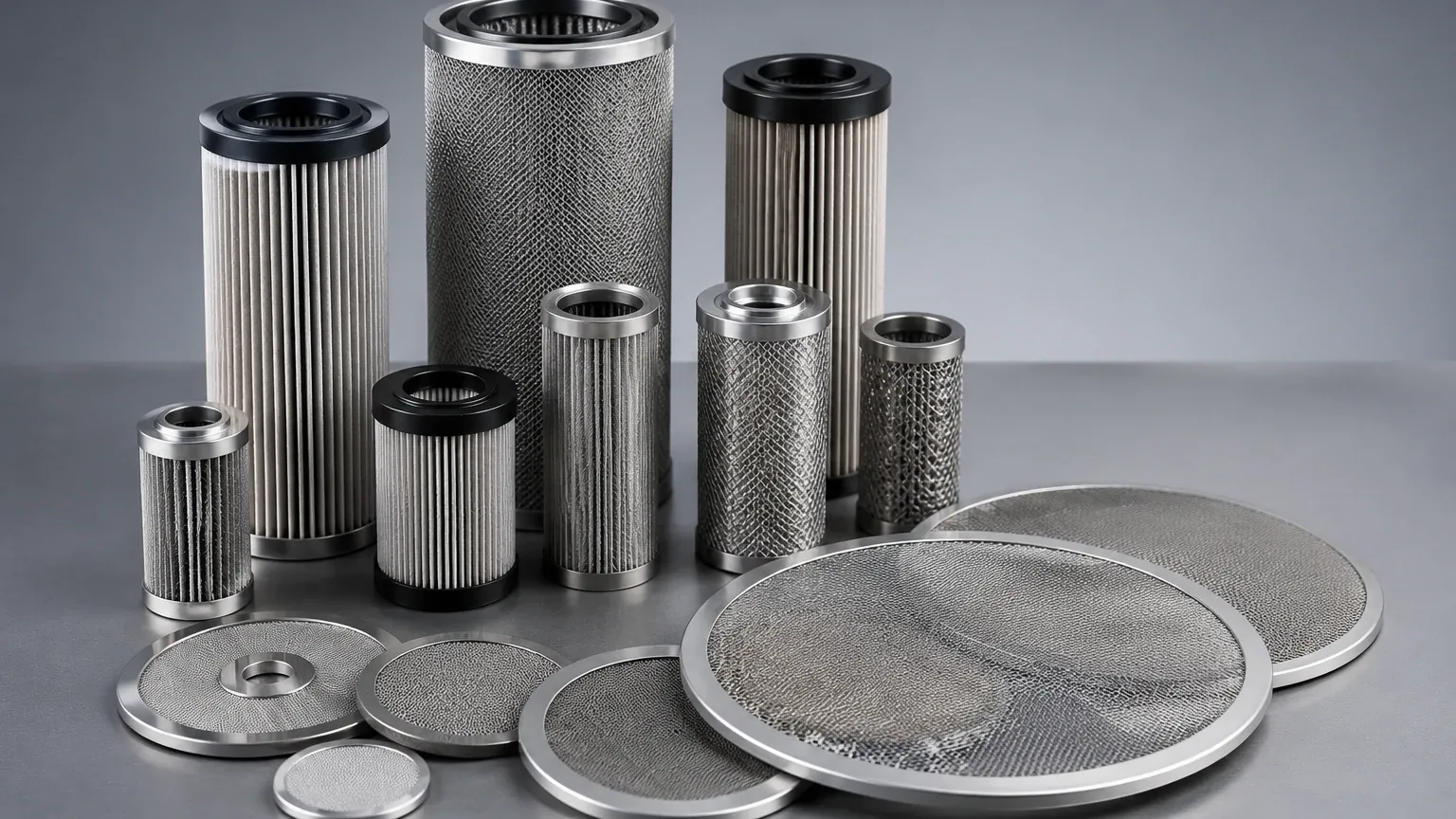
However, from an engineering and manufacturing perspective, the performance of these packs depends on the underlying technology of the individual components. For industrial applications where standard off-the-shelf solutions may not meet specific environmental or chemical demands, understanding the role of high-precision Filter Discs & Packs becomes essential. This article examines the technical requirements, material science, and engineering considerations for the filtration components used in heavy-duty machinery and industrial hydraulic systems.
The Engineering Role of Filter Packs in Heavy Machinery
Heavy machinery operates in environments characterized by high particulate matter, fluctuating temperatures, and extreme pressure. A filter pack is designed to provide a multi-layered defense system. In equipment like tractors, excavators, and industrial power units, the filtration system must address several distinct challenges:
1. Contaminant Removal: Eliminating dust, metal wear particles, and carbon soot that can cause abrasive wear on precision-machined engine and hydraulic components.
2. Fluid Integrity: Maintaining the chemical and physical properties of hydraulic fluids and lubricants by removing moisture and oxidation byproducts.
3. Pressure Regulation: Ensuring that the filter media provides sufficient flow (low pressure drop) while maintaining high capture efficiency.
While a standard filter pack john deere is optimized for general agricultural or construction use, specialized industrial variants often require upgraded materials, such as stainless steel wire mesh, to handle corrosive fluids or higher operating temperatures that exceed the limits of traditional cellulose or synthetic media.
Technical Components of Industrial Filter Packs
Industrial filtration systems are rarely composed of a single filter type. Instead, they utilize a combination of media and structures tailored to the specific fluid dynamics of the machine.
Hydraulic Filtration
Hydraulic systems are the lifeblood of heavy machinery. The filter discs and packs used in these systems must withstand high-pressure spikes. Stainless steel wire mesh is often the preferred material for high-pressure hydraulic filters because of its structural integrity and resistance to "media migration"—a phenomenon where bits of the filter material itself break off and enter the fluid stream.
Fuel and Oil Filtration
Modern high-pressure common rail (HPCR) fuel systems require extremely fine filtration, often down to 2 microns. While primary filters handle larger debris, secondary filter packs utilize multi-layered media to ensure that only ultra-clean fuel reaches the injectors. In industrial settings, where fuel quality may vary, custom-engineered filter packs provide an additional layer of security against system failure.
Material Selection: Stainless Steel vs. Traditional Media
When evaluating components for a filter pack john deere or similar industrial systems, engineers must choose between disposable cellulose/synthetic media and cleanable or high-durability metal media.
Stainless Steel Wire Mesh
Kaifil specializes in the production of stainless steel filtration solutions that offer several advantages over traditional materials:
* Thermal Stability: Stainless steel can operate in temperatures exceeding 500°F, far beyond the melting point of most synthetic filters.
* Chemical Compatibility: For industrial equipment exposed to harsh chemicals or specialized hydraulic fluids (such as fire-resistant fluids), 304 or 316L stainless steel provides the necessary corrosion resistance.
* Mechanical Strength: Metal filter packs can withstand higher differential pressures without collapsing, making them ideal for high-viscosity fluids or cold-start conditions.
* Cleanability: Unlike cellulose filters, which must be discarded, stainless steel filter discs can often be cleaned via ultrasonic baths or back-flushing, reducing the total cost of ownership in specific industrial loops.
Engineering Considerations for Filter Discs & Packs
Selecting the right filtration component involves more than matching a part number. For OEM applications or custom machinery builds, several engineering parameters must be defined.
Micron Rating and Efficiency
The micron rating defines the size of particles the filter can trap. However, it is important to distinguish between "nominal" and "absolute" ratings. A nominal rating indicates the filter can trap a large percentage of particles of a certain size, while an absolute rating (common in high-precision stainless steel mesh) indicates that 99.9% of particles above that size are captured. For critical components in a filter pack, absolute ratings are often required to prevent catastrophic wear.
Flow Rate and Pressure Drop (ΔP)
Every filter introduces resistance to the fluid flow. An ideal filter pack maximizes the surface area to ensure that the pressure drop remains within the system's tolerances. Using pleated wire mesh or multi-layer sintered Filter Discs & Packs allows for a high filtration area within a compact footprint, maintaining flow efficiency even as the filter accumulates contaminants.
Structural Design
Filter packs are often constructed using multiple layers of wire mesh. A typical configuration might include:
* A Filtration Layer: The fine mesh that determines the micron rating.
* Support Layers: Coarser mesh layers on either side that provide mechanical strength and prevent the fine mesh from deforming under pressure.
* Drainage Layers: Layers that facilitate the even distribution of fluid across the entire surface of the filter.
Customization for Industrial OEM Applications
While a standard filter pack john deere meets the needs of most users, industrial OEMs often require bespoke solutions. Customization allows engineers to optimize the filter for specific spatial constraints or unique fluid properties.
Customization options typically include:
* Shape and Dimensions: Circular discs, rectangular packs, or cylindrical cartridges.
* Edge Treatments: Filters can be supplied with spot-welded edges, aluminum or copper rims, or resin-bonded borders to ensure a bypass-free fit within the filter housing.
* Layering Sequences: Adjusting the number and type of mesh layers to balance filtration fineness with dirt-holding capacity.
Maintenance and Total Cost of Ownership
In the B2B sector, the decision to purchase a specific filter pack is often driven by the Total Cost of Ownership (TCO). While high-quality stainless steel filter components may have a higher initial purchase price than disposable paper filters, their longevity and performance reliability often result in lower long-term costs.
Replacement Cycles
In heavy-duty applications, the replacement cycle is determined by the increase in differential pressure. Monitoring this pressure allows maintenance teams to replace filter packs exactly when needed, rather than on a fixed-hour schedule that might be too late (risking bypass) or too early (wasting resources).
Avoiding Common Risks
Using inferior filtration components in a filter pack can lead to several risks:
* Bypass Valve Activation: If a filter clogs too quickly due to low dirt-holding capacity, the system's bypass valve may open, allowing unfiltered fluid to circulate.
* Media Breakdown: Low-quality synthetic media can break down over time, especially when exposed to heat or vibration, leading to downstream contamination.
* Inaccurate Micron Ratings: Inconsistent manufacturing can result in "holes" in the filtration media that allow large, damaging particles to pass through.
Conclusion for Technical Purchasing Teams
Whether maintaining a fleet of John Deere equipment or designing a new industrial hydraulic system, the selection of filter packs must be grounded in technical performance data. For standard maintenance, a filter pack john deere provides a convenient, pre-configured solution. However, for demanding industrial environments where reliability is non-negotiable, the integration of precision-engineered stainless steel components is a critical upgrade.
Engineers and purchasing professionals should confirm the following before selecting a filtration solution:
* The specific chemical and thermal environment of the application.
* The required absolute micron rating versus the nominal rating.
* The expected flow rates and maximum allowable pressure drop.
* The benefits of custom-designed metal filter packs versus standard disposable options.
By focusing on these technical boundaries, organizations can ensure the longevity of their machinery and the efficiency of their industrial processes.
