


Filter Packs of Coffee
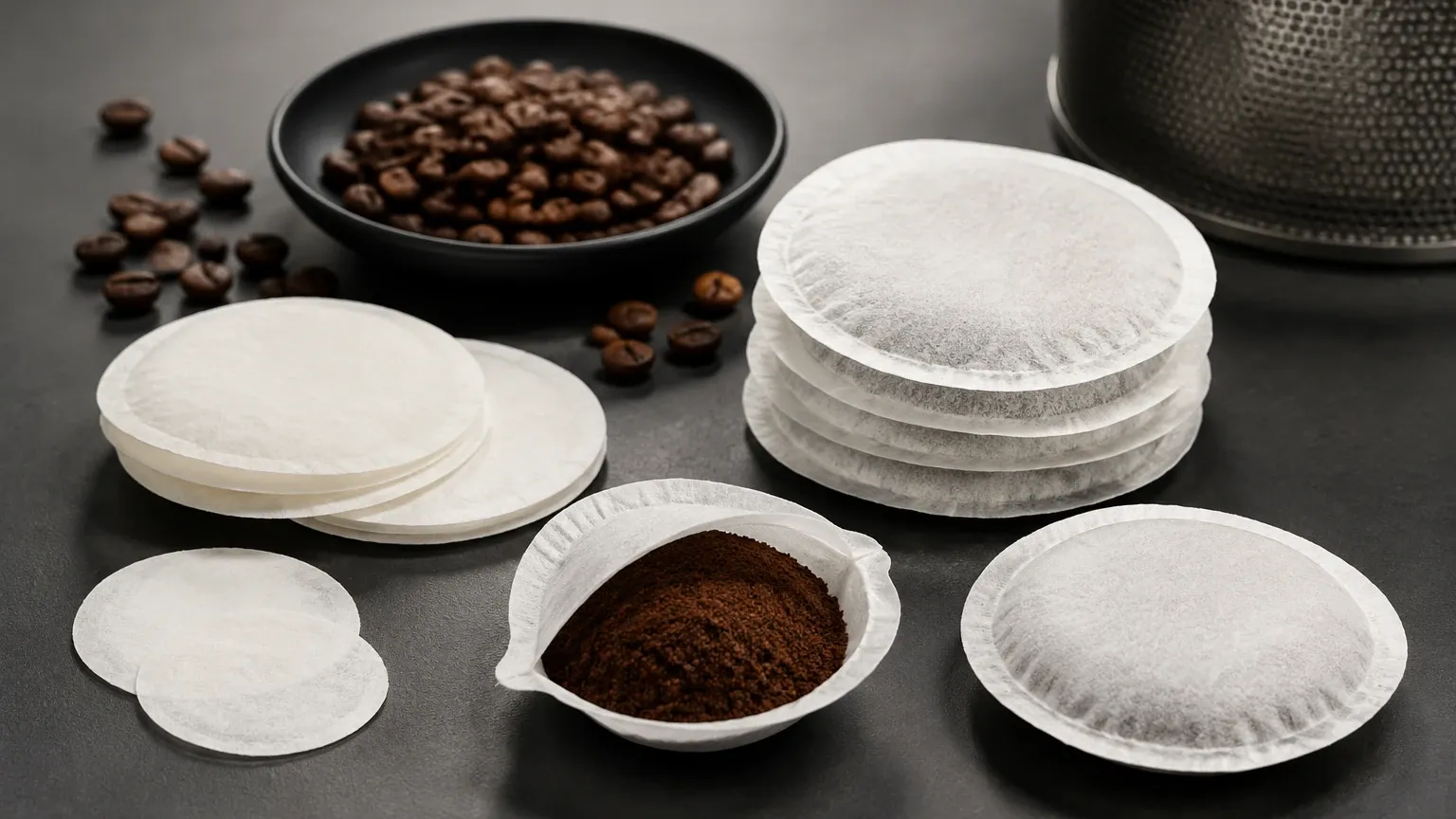
In the industrial food and beverage sector, the transition from small-scale brewing to mass production requires a significant shift in filtration technology. While consumer-grade paper filters are ubiquitous in homes and cafes, industrial coffee processing—ranging from the production of instant coffee and liquid concentrates to high-volume cold brew extraction—demands a more robust, precise, and reusable solution. This is where industrial Filter Discs & Packs become essential components of the production line.
For engineers and procurement professionals, selecting the right filter packs of coffee processing equipment involves understanding the intersection of fluid dynamics, material science, and food safety regulations. Precision metal filtration ensures that the final product maintains its sensory profile while meeting strict clarity and purity standards.
The Role of Metal Filtration in Industrial Coffee Production
Industrial coffee filtration is not merely about separating grounds from liquid; it is about controlling the extraction profile and ensuring the longevity of the processing equipment. In high-pressure environments, such as industrial espresso extraction or large-scale concentrate production, paper or cloth filters often fail due to structural weakness or inconsistent pore distribution.
Stainless steel filter packs provide several advantages in these demanding environments:
1. Structural Integrity: Unlike disposable media, metal filter packs can withstand high differential pressures without tearing or bypassing.
2. Consistency: Precision-woven wire mesh offers a fixed pore size, ensuring that every batch of coffee meets the same particulate standards.
3. Heat Resistance: Many coffee extraction processes involve high temperatures that can degrade synthetic filters or leach unwanted chemicals from paper.
4. Reusability: In a B2B context, the total cost of ownership (TCO) is significantly lowered by using cleanable, multi-use stainless steel components.
Engineering Specifications for Filter Packs
When specifying filter packs of coffee for industrial use, engineers must consider the physical and chemical properties of the coffee extract. Coffee contains various oils, acids, and fine particulates (fines) that can quickly blind a poorly designed filter.
Material Selection
Stainless steel is the industry standard for coffee filtration due to its corrosion resistance and food-grade safety. The two most common alloys used are:
* AISI 304: Suitable for most general coffee applications where standard cleaning agents are used.
* AISI 316L: Recommended for applications involving high acidity or more aggressive Clean-in-Place (CIP) chemicals. The addition of molybdenum in 316L provides superior resistance to pitting and crevice corrosion.
Mesh Weave Types
The type of weave determines the filtration accuracy and the flow characteristics. For coffee filtration, the following are common:
* Plain Weave: Offers a straightforward aperture and high open area, suitable for coarse filtration or as a support layer.
* Dutch Weave: Provides a much finer filtration rating (down to 5-10 microns) by using a denser packing of wires. This is ideal for removing fine coffee dust that can cause bitterness or sediment in concentrates.
* Twilled Weave: Used when a thicker mesh is required for higher pressure loads without sacrificing filtration fineness.
Multi-Layer Filter Pack Construction
In many industrial coffee systems, a single layer of mesh is insufficient. High-performance filter packs are often constructed of multiple layers of wire cloth, each serving a specific purpose. This configuration is frequently referred to as a "pack" or a "multilayer disc."
The Layering Strategy
1. Filtration Layer: The middle layer(s) with the specific micron rating required to capture coffee fines.
2. Support Layer: A coarser mesh that provides mechanical strength to the filtration layer, preventing it from deforming under pressure.
3. Drainage Layer: An outer layer that facilitates the even distribution of the liquid across the filter surface, reducing localized clogging.
These layers are typically bound together using spot welding or by enclosing them in a metal rim. Rimmed filter packs are particularly effective in preventing bypass, as the rim (often made of aluminum or stainless steel) acts as a gasket when compressed within the filter housing.
Performance Metrics: Flow Rate vs. Micron Rating
One of the primary challenges for engineers is balancing the micron rating with the required flow rate. In coffee processing, if the micron rating is too fine, the filter will clog rapidly with coffee oils and fines, leading to frequent downtime for cleaning. If it is too coarse, the final product will contain sediment, affecting the mouthfeel and shelf stability.
* Micron Rating: For cold brew concentrates, a micron rating between 25 and 75 is common. For clarified coffee extracts used in RTD (Ready-to-Drink) beverages, finer ratings down to 5 microns may be necessary.
* Pressure Drop ($ΔP$): As the filter accumulates debris, the pressure drop increases. Designing a system with a larger surface area (using multiple filter discs) can help maintain a lower $ΔP$ for longer periods.
Maintenance and Cleaning Protocols
In a B2B environment, the ability to clean and reuse filter packs is a critical factor in operational efficiency. Unlike paper filters, stainless steel filter packs are compatible with various cleaning methods:
* Backwashing: Reversing the flow of the liquid to dislodge particulates from the mesh surface.
* Ultrasonic Cleaning: Using high-frequency sound waves in a cleaning solution to remove microscopic particles and oils trapped deep within the weave.
* Chemical Cleaning (CIP): Using food-safe caustic or acidic solutions to dissolve organic buildup. It is vital to ensure that the filter material (e.g., 316L) is compatible with these chemicals to prevent long-term degradation.
Selection Criteria for Purchasing Teams
When sourcing filter packs of coffee for industrial machinery, purchasing teams should confirm the following technical details with their manufacturer to ensure compatibility and performance:
1. Exact Dimensions: Diameter and thickness are critical for a proper fit in the filter housing. Even a 0.5mm discrepancy can lead to bypass.
2. Layer Configuration: Specify the number of layers and the micron rating of the primary filtration layer.
3. Binding Method: Determine if spot welding or a rimmed edge is required based on the sealing mechanism of the equipment.
4. Compliance: Ensure the materials used are FDA-compliant or meet equivalent international food safety standards (such as EC 1935/2004).
5. Operating Environment: Provide the manufacturer with the typical operating temperature and pressure to ensure the filter pack is engineered for those specific loads.
The Impact of Filter Design on Coffee Quality
The design of the filter pack directly influences the chemical composition of the final coffee beverage. For instance, paper filters tend to trap many of the diterpenes (coffee oils) such as cafestol and kahweol. While this results in a "cleaner" cup, it also removes some of the body and aromatic complexity associated with specialty coffee.
Stainless steel filter packs allow more of these natural oils to pass through while effectively blocking the insoluble solids. For industrial producers of premium coffee products, this allows for a richer flavor profile that more closely mimics traditional brewing methods, but with the consistency and scale required for commercial distribution.
Conclusion
In the competitive landscape of industrial coffee production, the choice of filtration media is a strategic decision that affects product quality, operational costs, and equipment longevity. Stainless steel Filter Discs & Packs provide the precision and durability necessary to handle the unique challenges of coffee extraction. By focusing on material grade, weave type, and multi-layer construction, engineers can optimize their filtration processes to deliver superior coffee products while maintaining high throughput and low maintenance overhead.
Whether you are designing a new extraction system or seeking to improve the efficiency of an existing line, understanding the technical nuances of filter packs of coffee is the first step toward achieving professional-grade filtration performance.
