


Filter Paper Discs Microbiology
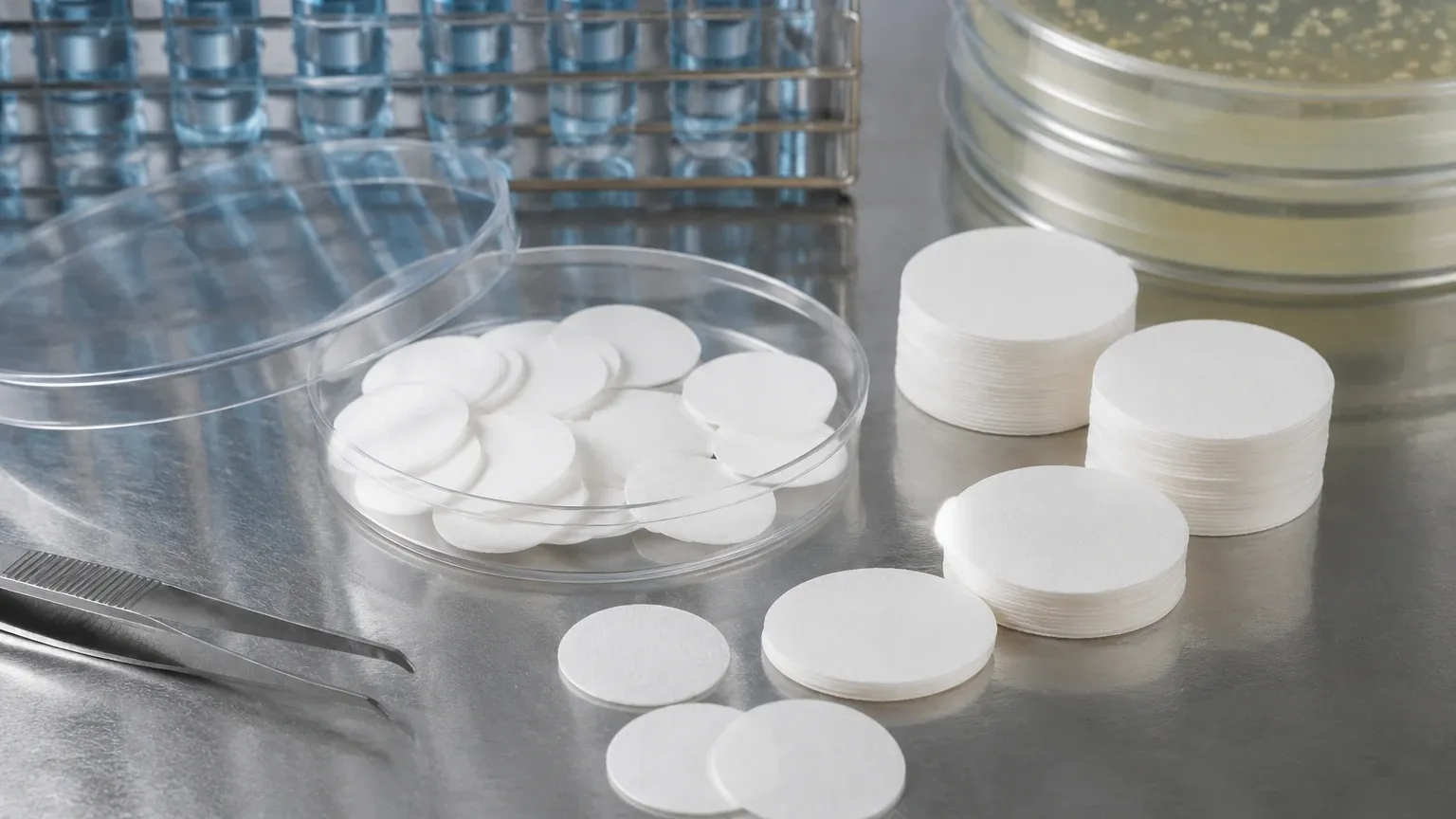
In the field of microbiology, the precision of filtration components is a critical factor in ensuring the accuracy of diagnostic results and the sterility of industrial processes. The term "filter paper discs microbiology" typically refers to small, circular pieces of high-quality filter paper used primarily in laboratory settings for antimicrobial susceptibility testing, microbial isolation, and substance diffusion assays. However, as microbiological processes scale from the laboratory bench to industrial production, the requirements for these filtration components evolve significantly.
For engineers and technical professionals in the pharmaceutical, food and beverage, and chemical processing sectors, understanding the transition from laboratory-scale paper discs to industrial-grade Filter Discs & Packs is essential for optimizing system performance and ensuring product safety. This article explores the technical specifications, material considerations, and engineering applications of filter discs within microbiological contexts.
The Role of Filter Discs in Microbiology
Microbiology relies heavily on the ability to separate, capture, or identify microorganisms within a fluid or gas stream. Filter discs serve as the primary interface for these actions. In a laboratory environment, filter paper discs are often impregnated with antibiotics or chemical reagents to observe the "zone of inhibition" on an agar plate. This helps clinicians determine the efficacy of a specific treatment against a bacterial strain.
In industrial microbiology, the focus shifts toward sterile filtration and particulate removal. Here, the "filter paper discs microbiology" concept is expanded into multi-layered metal mesh structures or sintered metal discs. These components are designed to withstand high pressures, extreme temperatures, and rigorous sterilization cycles (such as SIP or CIP) that would destroy standard cellulose-based paper discs.
Key Functions of Industrial Filter Discs:
1. Sterilization: Removing bacteria, fungi, and spores from liquids or gases to ensure a sterile environment.
2. Ventilation: Allowing gas exchange in bioreactors while preventing the ingress of environmental contaminants.
3. Sample Preparation: Pre-filtering complex media to prevent the clogging of sensitive downstream analytical equipment.
4. Catalyst Recovery: In biochemical reactions, capturing expensive catalysts or biomass for reuse.
Material Selection: Paper vs. Stainless Steel
While cellulose and glass fiber are the standard materials for "filter paper discs microbiology" in diagnostic kits, industrial applications demand more robust materials. Choosing the right material involves balancing chemical compatibility, mechanical strength, and filtration efficiency.
Cellulose and Synthetic Polymers
Standard filter paper discs are made from high-purity alpha-cellulose. They are cost-effective and excellent for single-use diagnostic tests. Synthetic polymers like PES (Polyethersulfone) or PTFE (Polytetrafluoroethylene) offer better chemical resistance and tighter pore size control for laboratory microfiltration. However, these materials are prone to tearing under high differential pressure and cannot be easily cleaned for reuse.
Stainless Steel (304, 316, 316L)
For industrial microbiological applications, stainless steel is the preferred material. Stainless steel filter discs, often constructed from multiple layers of wire mesh or sintered metal fibers, provide several engineering advantages:
* Thermal Stability: Capable of operating in temperatures exceeding 300°C, making them ideal for high-temperature steam sterilization.
* Mechanical Strength: Unlike paper, metal discs do not deform or bypass under high-pressure surges.
* Corrosion Resistance: Grade 316L stainless steel provides excellent resistance to the organic acids and cleaning agents commonly used in pharmaceutical and food processing.
* Cleanability: These discs can be ultrasonically cleaned or backflushed, significantly reducing the total cost of ownership compared to frequent disposable filter replacements.
Engineering Specifications for Filter Discs & Packs
When specifying filter discs for a microbiological application, engineers must look beyond simple diameter measurements. The internal structure of the disc determines its capacity to hold contaminants and its resistance to flow.
Pore Size and Filtration Rating
In microbiology, pore size is the most critical metric. A 0.22-micron rating is generally considered the standard for "sterile grade" filtration, as it is capable of retaining *Brevundimonas diminuta*, one of the smallest common bacteria. Industrial Filter Discs & Packs can be engineered with absolute ratings from 0.1 microns up to several hundred microns.
It is important to distinguish between "nominal" and "absolute" ratings. A nominal rating refers to the ability to retain a percentage of particles of a certain size, whereas an absolute rating indicates that no particle larger than the specified size will pass through the media under controlled conditions. For microbiological safety, absolute ratings are mandatory.
Multi-Layer Sintered Structures
To achieve both high filtration accuracy and structural integrity, manufacturers often use sintering. This process involves bonding multiple layers of stainless steel wire mesh through heat and pressure without the use of binders.
* The Protection Layer: A coarse outer mesh that protects the finer inner layers from mechanical damage.
* The Control Layer: The precise mesh layer that determines the filtration rating.
* The Support Layer: Provides the necessary rigidity to prevent the disc from collapsing under pressure.
Technical Considerations for Industrial Implementation
Transitioning from lab-scale "filter paper discs microbiology" to industrial production requires a focus on system integration. Engineers must evaluate several variables to ensure the filtration system does not become a bottleneck or a source of contamination.
Differential Pressure (ΔP)
As microorganisms and particulates accumulate on the surface of the filter disc, the pressure drop across the filter increases. If the ΔP exceeds the design limits, the filter may rupture or allow "breakthrough" of contaminants. In industrial microbiology, monitoring ΔP is a standard method for determining when a filter pack needs cleaning or replacement.
Flow Velocity and Residence Time
In applications like gas fermentation or aerobic wastewater treatment, the velocity of the fluid passing through the disc affects the efficiency of microbial capture. High velocities can shear delicate microorganisms or force them through the pore structure. Engineers must size the filter disc surface area to maintain an optimal flux rate (liters per square meter per hour).
Integrity Testing
Unlike paper discs, which are often verified through batch sampling, industrial metal filter discs can be subjected to non-destructive integrity tests. The Bubble Point Test is the most common method. By submerging the disc in a liquid and gradually increasing air pressure, the pressure at which the first continuous stream of bubbles appears (the bubble point) can be correlated to the maximum pore size.
Applications in Industrial Microbiology
The use of precision filter discs is prevalent across several high-stakes industries where microbial control is non-negotiable.
Pharmaceutical and Biotechnology
In the production of vaccines and monoclonal antibodies, filter discs are used in the vent lines of fermenters to ensure that only sterile air enters the vessel. They are also used in the final fill-and-finish stages to remove any remaining cellular debris or microbial contaminants before the product is packaged.
Food and Beverage Processing
Microbiological stability is the key to the shelf life of products like beer, wine, and bottled water. Stainless steel filter discs are used in steam filtration to sterilize the pipes and tanks, as well as in the "cold stabilization" of beverages where heat pasteurization might alter the flavor profile.
Water Treatment and Desalination
In high-purity water systems used for laboratory research, multi-layer filter packs remove bacteria and biofilms that can accumulate in piping. These filters must be resistant to the chlorine or ozone treatments often used to disinfect water systems.
Selection Criteria for Purchasing and Engineering Teams
When sourcing Filter Discs & Packs for microbiological applications, technical buyers should confirm the following details with the manufacturer:
1. Material Certification: Ensure the stainless steel is of the specified grade (e.g., 316L) and meets relevant industry standards (FDA, USP Class VI) if used in food or pharma.
2. Filtration Efficiency: Request data on the absolute micron rating and the results of bacterial challenge tests if applicable.
3. Customization Options: Industrial systems often require non-standard diameters, specific rim treatments (such as spot welding or aluminum binding), or specialized shapes to fit proprietary housing units.
4. Total Cost of Ownership (TCO): While a stainless steel disc has a higher upfront cost than a paper disc, its ability to be cleaned and reused over hundreds of cycles often results in a lower TCO in high-volume industrial environments.
Common Risks and Mitigation
The primary risk in microbiological filtration is bypass—where fluid flows around the filter media rather than through it. This is often caused by improper installation or the use of poorly manufactured discs with uneven edges. To mitigate this, engineers should specify discs with reinforced edges or integrated gaskets that ensure a perfect seal within the filter housing.
Another risk is "media migration," where fibers from the filter itself break off and contaminate the filtrate. This is a common issue with low-quality paper or felt filters. Using sintered stainless steel mesh virtually eliminates this risk, as the wires are permanently bonded together at every contact point.
Conclusion
Whether used for simple diagnostic tests as "filter paper discs microbiology" or as critical components in a multi-stage industrial purification system, filter discs are fundamental to modern microbiology. For industrial applications, the shift toward stainless steel Filter Discs & Packs provides the durability, precision, and sterility required to meet stringent regulatory standards and operational demands. By understanding the engineering principles behind material selection, pore structure, and integrity testing, technical professionals can ensure their filtration systems provide reliable, long-term performance in even the most demanding microbiological environments.
