


Filter Texture Pack
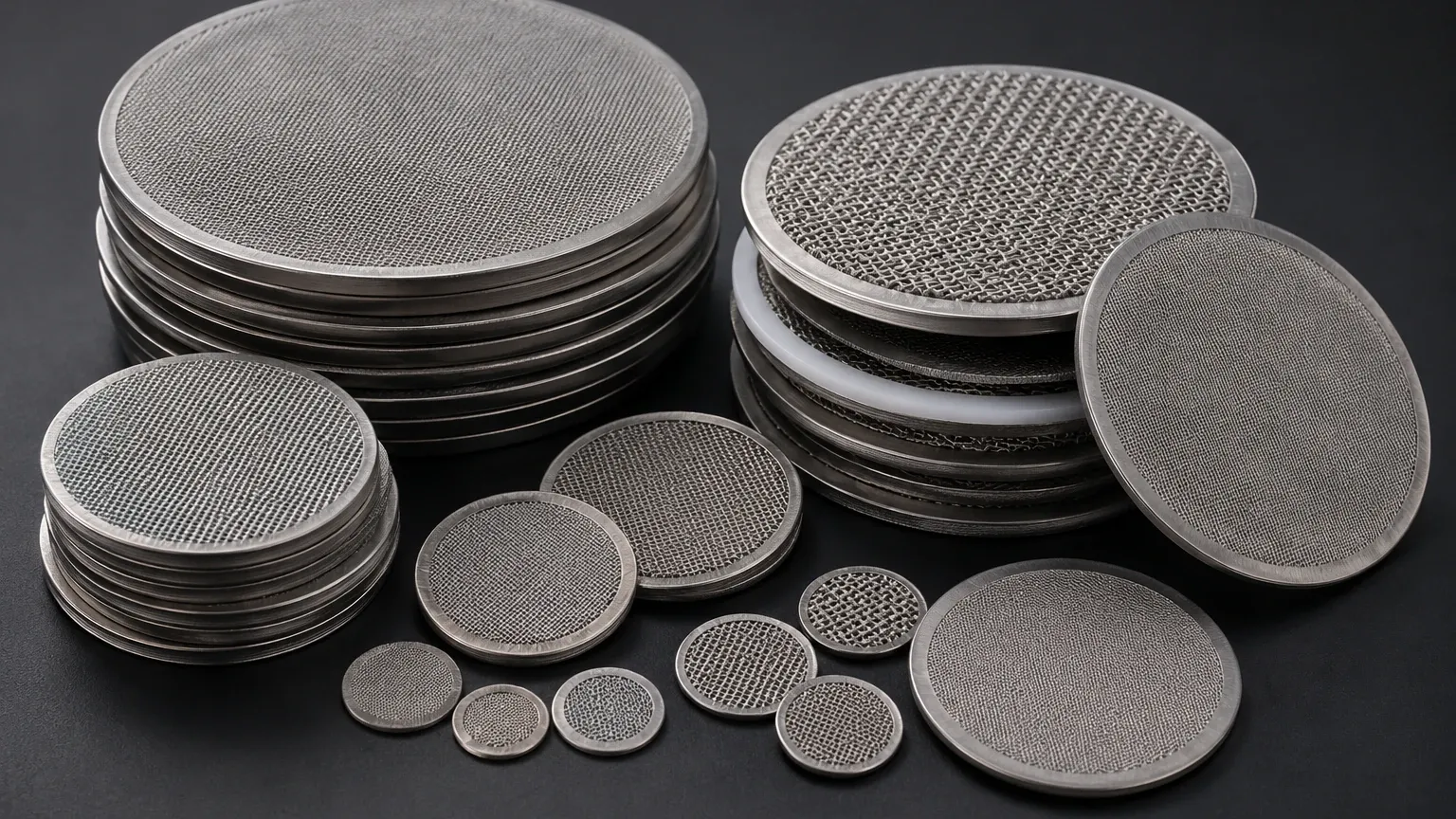
In the landscape of industrial filtration, the term "texture" refers to the specific geometric arrangement, weave pattern, and surface topography of the wire mesh used in a filter assembly. A filter texture pack is a precision-engineered component consisting of one or multiple layers of woven wire mesh, often used in extrusion, chemical processing, and hydraulic systems. Unlike generic filtration media, these packs are defined by their structural surface characteristics, which dictate how fluids interact with the media, how particles are captured, and how the system maintains pressure stability.
For engineers and procurement specialists, selecting the correct Filter Discs & Packs requires a deep understanding of how mesh texture influences flow dynamics. This guide examines the technical specifications of filter texture packs, the engineering principles behind weave selection, and the critical factors that ensure long-term performance in demanding industrial environments.
The Anatomy of a Filter Texture Pack
A filter texture pack is rarely a single sheet of metal. In most high-performance applications, it is a composite structure designed to balance filtration fineness with mechanical strength. The "texture" of the pack is determined by several layers working in tandem:
1. The Filtration Layer: This is the core of the pack, featuring the finest mesh texture. It determines the micron rating and is responsible for capturing the target particulates.
2. The Support Layer: Thicker, coarser mesh textures are placed beneath the filtration layer. These provide the necessary rigidity to prevent the finer mesh from deforming under high differential pressure.
3. The Drainage Layer: In multi-layer packs, a drainage layer ensures that the filtered fluid can move efficiently toward the outlet without creating localized high-velocity zones that could damage the media.
4. The Binding or Rim: To ensure the pack remains a cohesive unit, the edges are often bound with an aluminum, stainless steel, or copper rim. Alternatively, the layers may be spot-welded or sintered together to create a permanent, monolithic texture.
How Mesh Texture Influences Filtration Efficiency
The physical "texture" of the wire mesh—created by the way warp and weft wires intersect—is the primary determinant of a filter's performance. Different weave patterns offer distinct advantages depending on the viscosity of the fluid and the nature of the contaminants.
Plain Weave Texture
This is the most common texture, where each warp wire crosses over and under each weft wire. It provides a consistent aperture size and is ideal for straightforward liquid filtration and particle separation. Its simple texture makes it easy to clean, though it may lack the depth required for very fine gas filtration.
Twilled Weave Texture
In a twilled weave, each warp wire passes over and under two weft wires. This allows for the use of heavier wires in a given mesh count, resulting in a more robust texture. This is particularly useful in high-pressure environments where the filter texture pack must resist mechanical stress without shifting the pore geometry.
Dutch Weave (Plain and Twilled) Texture
Dutch weaves use different diameters for warp and weft wires. The result is a dense, "shingled" texture that offers superior strength and much finer filtration ratings than standard weaves. A Twilled Dutch weave creates a complex, three-dimensional texture that can capture particles as small as 5 to 10 microns while maintaining high flow rates.
Material Considerations for Industrial Filter Packs
The durability of a filter texture pack is as much about chemistry as it is about geometry. Since these components are often exposed to corrosive chemicals, high temperatures, or high-pressure steam, material selection is critical.
* Stainless Steel 304: The standard for most industrial applications, offering excellent strength and basic corrosion resistance. It is widely used in food and beverage processing where hygiene is paramount.
* Stainless Steel 316L: Containing molybdenum, 316L provides enhanced resistance to pitting and crevice corrosion, particularly in chloride-rich environments. This is the preferred material for pharmaceutical and marine filtration.
* Specialty Alloys: For extreme environments, filter packs can be manufactured from Monel, Inconel, or Hastelloy. These materials maintain their textured integrity at temperatures exceeding 500°C or in highly acidic processing streams.
Engineering Custom Filter Discs & Packs
One of the primary advantages of working with a professional manufacturer like Kaifil is the ability to customize the filter texture pack to the exact requirements of the machinery. Customization involves more than just changing the diameter of the disc; it involves engineering the entire stack for optimal performance.
Sintered vs. Non-Sintered Packs
In standard packs, the layers are held together by a rim or spot welds. However, for applications involving high-velocity flow or frequent backwashing, a sintered texture is often required. Sintering uses heat and pressure to fuse the contact points of the wire mesh without melting the wires. This creates a permanent, rigid texture that cannot migrate or fray, ensuring that the pore size remains constant throughout the filter's lifecycle.
Shape and Configuration
While circular discs are the most common, filter texture packs can be engineered in various shapes, including oval, rectangular, or ring-shaped (doughnut) configurations. For polymer extrusion, "screen packs" are often assembled in a specific sequence of mesh textures (e.g., 20/40/60/100/20 mesh) to provide graduated filtration, which prevents the finest layer from clogging prematurely.
Performance Metrics: Flow, Pressure, and Micron Rating
When evaluating a filter texture pack, engineers must look beyond the physical dimensions and focus on three key performance indicators:
1. Micron Rating (Absolute vs. Nominal): The texture of the mesh determines whether the filter has a nominal rating (percentage of particles captured) or an absolute rating (the largest spherical particle that can pass through). For critical pharmaceutical or hydraulic applications, an absolute rating is typically required.
2. Clean Pressure Drop (ΔP): The more complex the texture, the higher the initial resistance to flow. Engineering the pack involves selecting a texture that achieves the required filtration fineness while keeping the initial pressure drop within the system's pump capacity.
3. Dirt Holding Capacity: A well-designed multi-layer texture pack allows for "depth filtration," where larger particles are caught by the outer layers and smaller ones by the inner layers. This increases the time between filter changes and reduces the total cost of ownership.
Application-Specific Selection
Different industries prioritize different aspects of the filter texture pack:
* Chemical Processing: Focuses on material compatibility and the ability of the texture to withstand aggressive solvents.
* Food and Beverage: Prioritizes smooth, easy-to-clean textures that prevent bacterial growth and meet FDA compliance standards.
* Plastic and Polymer Extrusion: Requires high-strength packs capable of withstanding the immense pressure of molten plastic while removing gels and contaminants.
* Hydraulic Systems: Needs precision-textured discs that protect sensitive valves and actuators from microscopic wear particles.
Maintenance and Total Cost of Ownership
The "texture" of the filter also dictates its cleanability. Plain weave packs are generally easier to clean via ultrasonic baths or chemical soaking. More complex Dutch weaves may require specialized backflushing or thermal cleaning (in the case of polymer removal).
When calculating the total cost of ownership, purchasing teams should consider not just the initial price of the filter texture pack, but also its service life. A higher-quality, sintered stainless steel pack may have a higher upfront cost but can be cleaned and reused dozens of times, whereas cheaper, non-bound mesh may need to be discarded after a single cycle.
Technical Confirmation Before Purchase
Before finalizing an order for industrial filters, engineers should confirm several technical details with the manufacturer to ensure the product matches the application intent:
* Layer Sequence: Specify the exact mesh counts and the order in which they should be stacked.
* Edge Treatment: Determine if a rim is necessary to prevent bypass or if spot welding is sufficient for the housing design.
* Mesh Origin and Quality: Ensure the wire mesh used in the pack meets international standards for wire diameter and aperture consistency.
* Testing Requirements: Confirm if bubble point testing or pressure drop testing is required for the specific batch.
By focusing on the technical nuances of the filter texture and the construction of the pack, industrial operators can significantly improve the efficiency of their filtration processes. Whether it is for protecting downstream equipment or ensuring the purity of a final product, the engineering of the Filter Discs & Packs remains a cornerstone of successful industrial fluid management.
