G4 Filter Price
In the landscape of industrial filtration, the G4 classification represents a critical threshold for coarse particle removal. For procurement managers and process engineers, understanding the g4 filter price involves more than a simple line-item comparison. It requires an analysis of material science, mechanical design, and the long-term operational impact on downstream equipment. Whether utilized in HVAC systems, chemical processing, or hydraulic protection, G4 filters serve as the primary line of defense, making their cost-to-performance ratio a vital metric for facility efficiency.
Defining G4 Filtration in Industrial Contexts
To accurately evaluate price, one must first define the technical requirements of the G4 standard. Under the EN 779:2012 standard (now largely transitioned to ISO 16890), G4 filters are categorized by their ability to arrest coarse particles. Specifically, a G4 filter must achieve an average arrestance of 90% or higher for synthetic test dust.
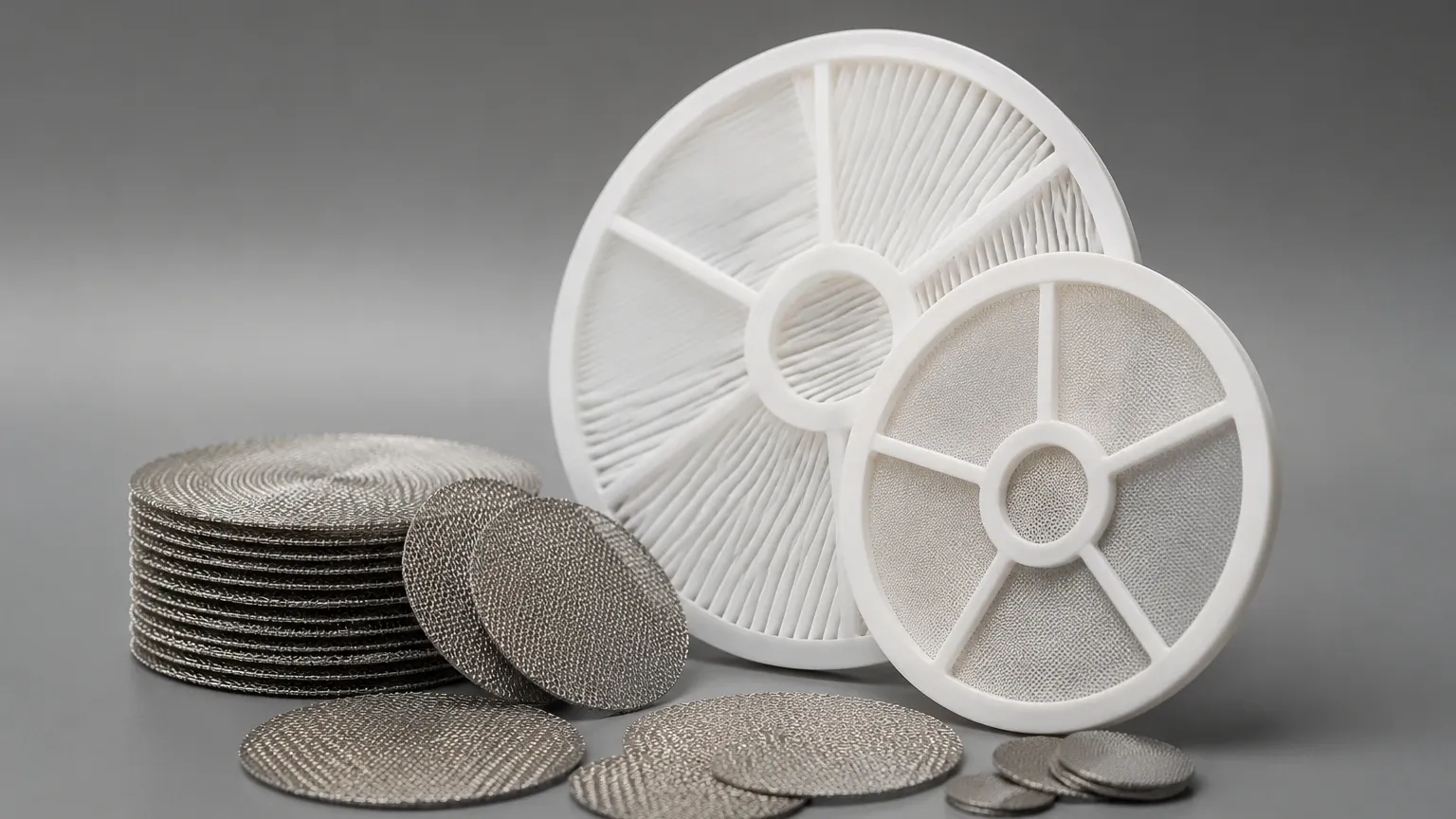
In industrial applications, G4 filtration is often the "pre-filtration" stage. By capturing larger particulates—ranging from 10 microns and above—these filters prevent the premature clogging of more expensive high-efficiency filters (such as F7, F9, or HEPA grades). Consequently, the price of a G4 filter is often offset by the extended service life it provides to the entire filtration train. When engineers specify Filter Discs & Packs for these roles, they are often looking for a balance between high dust-holding capacity and low initial pressure drop.
Key Factors Determining G4 Filter Price
The market for G4 filters is diverse, with prices fluctuating based on several technical variables. Understanding these factors allows purchasing teams to identify where they can optimize costs without sacrificing system integrity.
1. Filter Media Composition
The material used for the filtration medium is the primary cost driver. Common materials include:
* Synthetic Fibers: Generally the most budget-friendly option for standard air filtration. These are often pleated to increase surface area.
* Metal Wire Mesh: Used in demanding industrial environments where high temperatures, chemical exposure, or high-pressure fluids are present. While the initial g4 filter price for stainless steel mesh is higher than synthetic media, its cleanability and durability often result in a lower total cost over time.
* Glass Fiber: Offers high temperature resistance but requires careful handling to prevent fiber shedding.
2. Frame Construction and Gasketing
For many industrial applications, the frame is as important as the media. A flimsy frame can lead to air or fluid bypass, rendering the filter ineffective. Galvanized steel, aluminum, and stainless steel frames vary in price. Additionally, specialized gasketing (such as EPDM, Silicone, or Viton) to ensure a leak-proof seal will influence the final quote.
3. Dimensions and Customization
Standardized sizes (e.g., 592x592mm for HVAC) benefit from economies of scale. However, industrial machinery often requires custom-sized filter packs or discs. Custom tooling and small-batch production runs for non-standard dimensions will naturally increase the unit price.
Material Selection: Synthetic vs. Stainless Steel Filter Discs & Packs
When evaluating the g4 filter price, engineers must decide between disposable and reusable solutions. In sectors like chemical processing, food and beverage, and oil and gas, the environment is often too harsh for standard synthetic G4 media.
Stainless steel Filter Discs & Packs are frequently engineered to meet G4 arrestance levels while providing mechanical strengths that synthetics cannot match. These metal components offer:
* High Temperature Stability: Capable of operating in environments exceeding 250°C.
* Chemical Compatibility: Resistance to corrosion from acidic or alkaline process streams.
* Structural Integrity: Ability to withstand high differential pressures without collapsing or media migration.
While a stainless steel disc may have a higher upfront cost compared to a disposable pleated panel, the ability to ultrasonically clean and reuse the metal disc can significantly reduce the annual procurement budget for filtration consumables.
Engineering Performance and Pressure Drop Considerations
A common mistake in procurement is focusing solely on the purchase price while ignoring the energy costs associated with pressure drop. The "clean pressure drop" of a G4 filter indicates how much energy the system's fan or pump must expend to push fluid through the media.
A lower-quality, cheaper G4 filter may have a higher initial pressure drop or a rapid "clogging curve." As the pressure drop increases, energy consumption rises. In large-scale industrial operations, the energy cost of a high-resistance filter can quickly surpass the initial savings gained from a lower g4 filter price. Engineers should request technical data sheets that detail the pressure drop vs. dust loading characteristics to ensure the filter aligns with the system’s fan or pump curve.
Total Cost of Ownership (TCO) vs. Initial Purchase Price
In a B2B environment, the most effective way to analyze the g4 filter price is through a Total Cost of Ownership (TCO) model. This model accounts for:
1. Acquisition Cost: The price per unit plus shipping and handling.
2. Installation Labor: The time required for maintenance staff to replace the filters.
3. Disposal Costs: Especially relevant if the filters are contaminated with hazardous materials, as disposal of synthetic media can be expensive.
4. Energy Consumption: The cost of power required to overcome the filter's resistance over its service life.
5. Downtime Risk: The potential cost of a process shutdown if a filter fails or requires excessively frequent changes.
For example, a high-capacity G4 filter might cost 20% more than a standard version but offer a 50% longer service life. In this scenario, the more expensive filter is actually the more cost-effective choice because it reduces labor costs and disposal frequency.
Customization and OEM Procurement Strategies
For Original Equipment Manufacturers (OEMs), sourcing G4 filters involves balancing technical specifications with supply chain reliability. When requesting quotes for Filter Discs & Packs, it is essential to provide the manufacturer with comprehensive data:
* Micron Rating/Arrestance: Clarify if you need G4 arrestance or a specific micron retention level.
* Flow Rate: The volume of air or liquid the filter must process per minute.
* Operating Environment: Presence of moisture, chemicals, or extreme temperatures.
* Quantity: Bulk orders significantly reduce the per-unit g4 filter price due to streamlined production and material purchasing.
Working directly with a manufacturer like Kaifil allows for the development of customized filtration solutions. Custom wire mesh configurations can be designed to provide G4-level pre-filtration while optimized for specific housing geometries, ensuring maximum surface area and minimal bypass risk.
Common Risks in Budget G4 Procurement
Opting for the lowest available g4 filter price can sometimes lead to hidden risks. Low-cost filters may suffer from:
* Media Shedding: Small fibers breaking off the filter and contaminating the downstream process.
* Poor Adhesive Bonding: In pleated filters, if the media is not properly bonded to the frame, air will bypass the filter entirely.
* Inconsistent Pore Size: Variations in the manufacturing process can lead to "hot spots" where the filter clogs faster or allows larger particles through.
To mitigate these risks, technical professionals should verify that the supplier adheres to recognized quality management systems (such as ISO 9001) and provides batch-testing documentation upon request.
Conclusion
The g4 filter price is a multifaceted figure that reflects material quality, engineering precision, and operational longevity. While synthetic disposable filters remain the standard for general air handling, industrial processes often demand the durability of stainless steel Filter Discs & Packs. By shifting the focus from the initial invoice to the Total Cost of Ownership, engineering and purchasing teams can select filtration solutions that protect sensitive equipment, reduce energy consumption, and minimize maintenance overhead.
When selecting a G4 solution, prioritize suppliers who can provide technical transparency, customization capabilities, and a proven track record in industrial applications. This ensures that the filtration system remains a reliable component of the production cycle rather than a recurring source of inefficiency.