


John Deere Filter Packs
In the realm of heavy machinery and industrial equipment, the efficiency of hydraulic and lubrication systems is directly tied to the quality of filtration. For operators and maintenance engineers managing high-performance fleets, the term john deere filter packs often refers to the comprehensive sets of filtration components required to keep complex systems running at peak performance. While standard maintenance kits are common, the technical requirements of modern industrial applications often demand a deeper understanding of the metal filtration components that ensure system longevity and reliability.
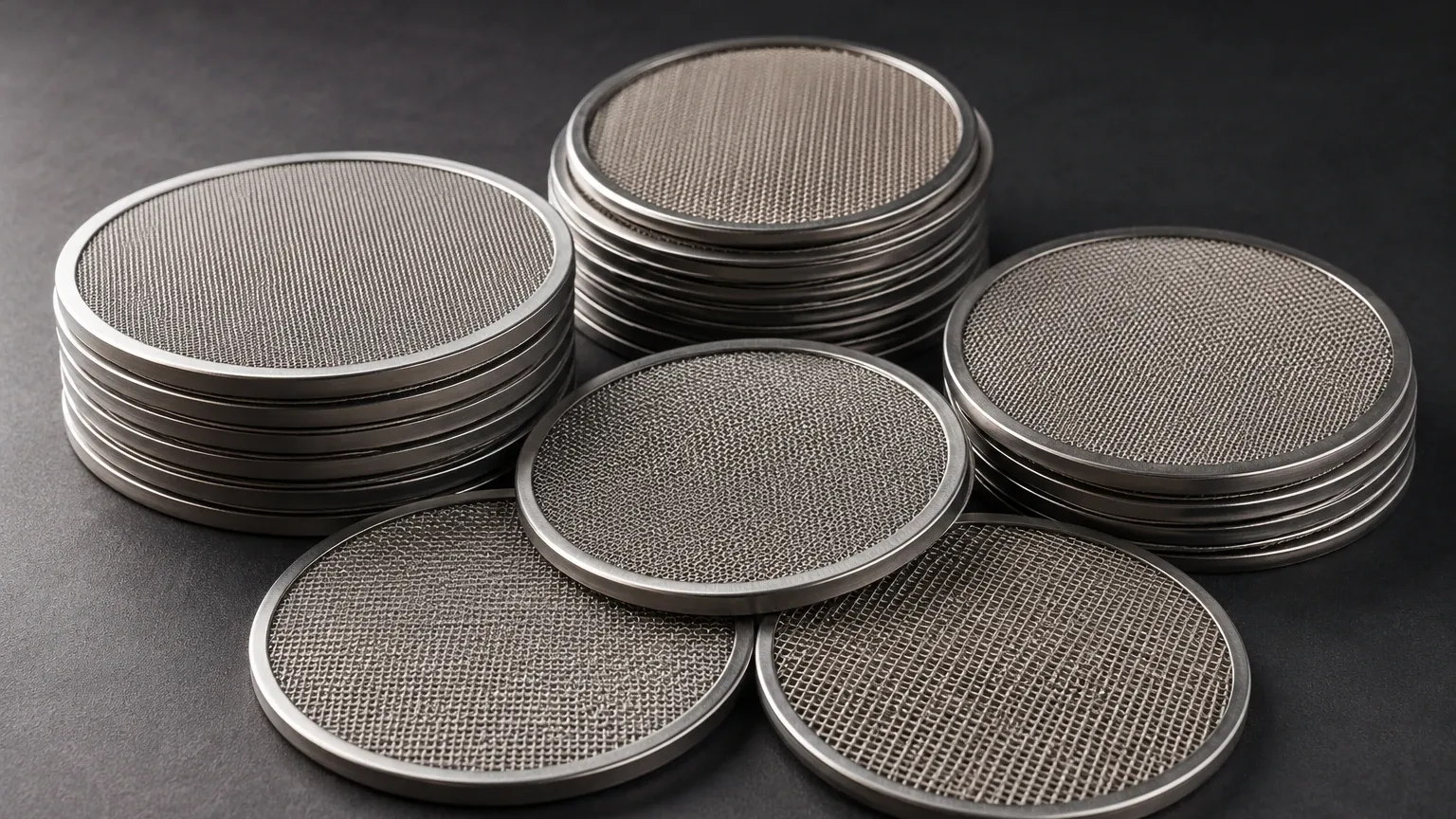
Industrial filtration is not merely about removing debris; it is about managing fluid dynamics, pressure differentials, and material compatibility under extreme conditions. Whether used in agricultural machinery, construction equipment, or specialized industrial power units, the filtration assembly—often consisting of multi-layered Filter Discs & Packs—serves as the primary defense against catastrophic component failure.
The Role of Filter Packs in Heavy Machinery Systems
Heavy-duty equipment, such as that manufactured by John Deere, relies on sophisticated hydraulic and fuel systems that operate under high pressure and tight tolerances. In these environments, even microscopic particulate matter can lead to abrasive wear on pumps, valves, and injectors. This is where the engineering of john deere filter packs becomes critical.
Filter packs in these applications are typically designed to handle high flow rates while maintaining a low pressure drop. The architecture of these packs often involves multiple layers of stainless steel wire mesh, which provides both the necessary filtration fineness and the structural integrity to withstand hydraulic surges. Unlike simple paper or cellulose filters, metal-based filter packs are engineered for durability, offering resistance to chemical corrosion and thermal fluctuations that would degrade organic filter media.
For engineers, the selection of a filter pack involves balancing the Beta ratio (filtration efficiency) with the dirt-holding capacity. A well-designed pack ensures that the fluid remains within the ISO 4406 cleanliness standards required for high-pressure common rail (HPCR) fuel systems and advanced hydraulic circuits. By utilizing precision-engineered metal mesh, manufacturers can achieve absolute filtration ratings that protect sensitive components from particles as small as 5 to 10 microns.
Technical Specifications of High-Performance Filter Discs & Packs
When evaluating filtration components for industrial machinery, it is essential to understand the materials and construction methods used in modern filter discs. Stainless steel is the industry standard for high-performance applications due to its mechanical strength and longevity. Common alloys include 304, 316, and 316L, with the latter being preferred for environments where chemical resistance is paramount.
The construction of Filter Discs & Packs involves several specialized techniques:
1. Multi-Layer Sintering: This process involves bonding multiple layers of wire mesh together using heat and pressure without the use of binders. This results in a porous metal plate that is incredibly strong, easy to clean, and capable of maintaining its pore structure under high pressure.
2. Edge Welding and Binding: To prevent bypass and ensure a secure fit within the filter housing, filter packs are often finished with spot welding or aluminum/stainless steel rims. This ensures that the fluid is forced through the media rather than around it.
3. Variable Weave Patterns: Engineers select weave types based on the application. Plain weave provides a straightforward square aperture, while Dutch weave offers a denser, more complex path for finer filtration and higher mechanical strength.
For those sourcing john deere filter packs for custom or demanding industrial conversions, specifying the correct mesh count and wire diameter is vital. The mesh count determines the number of openings per linear inch, which directly correlates to the filtration accuracy. In multi-layer packs, a coarse outer mesh often acts as a support and pre-filter layer, protecting the fine inner filtration layer from mechanical damage and premature clogging.
Engineering Considerations for Hydraulic and Fuel Systems
In the context of john deere filter packs, engineering teams must account for the specific fluid properties of the system. Hydraulic fluids, engine oils, and diesel fuels each have different viscosities and chemical profiles that affect how a filter performs.
Pressure Drop and Flow Management
One of the most critical metrics in filter design is the "clean pressure drop." If a filter pack is too restrictive, it can cause cavitation in pumps or trigger bypass valves, allowing unfiltered fluid to circulate through the system. Precision-manufactured metal filter packs are designed to maximize the open area while maintaining the required micron rating. This balance ensures that the system operates efficiently even during cold starts when fluid viscosity is high.
Structural Integrity under Cyclic Loading
Hydraulic systems are subject to frequent pressure pulses. A filter pack must be able to withstand these cycles without fatigue or media migration. Sintered wire mesh packs are particularly effective here, as the bonded structure prevents individual wires from shifting or breaking, which could otherwise introduce metal contaminants into the downstream fluid.
Customization vs. Standard OEM Replacements
While standard OEM john deere filter packs are sufficient for general use, many industrial applications require customized solutions to address specific operational challenges. For instance, in environments with high levels of fine silica dust or corrosive chemical exposure, a standard cellulose filter may fail prematurely.
Customized Filter Discs & Packs allow engineers to specify:
* Enhanced Material Grades: Moving to 316L stainless steel or specialized alloys for superior corrosion resistance.
* Modified Micron Ratings: Adjusting the filtration fineness to meet the specific needs of aftermarket hydraulic attachments or modified fuel systems.
* Reinforced Structures: Adding extra support layers or thicker rims to handle higher-than-standard operating pressures.
By working with a manufacturer that specializes in custom metal filtration, purchasing teams can procure filter packs that match the exact dimensions of the original equipment while offering improved performance characteristics. This is particularly valuable for aging fleets where OEM parts may be discontinued or for specialized machinery where the standard filtration setup is the bottleneck for system reliability.
Maintenance, Cleaning, and Lifecycle Management
One of the primary advantages of moving toward stainless steel filter components within john deere filter packs is the potential for cleaning and reuse. While traditional disposable filters must be replaced and discarded, metal mesh filters can often be cleaned using ultrasonic baths, back-flushing, or chemical solvents.
Determining the Replacement Cycle
For industrial operators, the total cost of ownership (TCO) is a more important metric than the initial purchase price. A high-quality metal filter pack may have a higher upfront cost but can last through multiple maintenance cycles. The decision to clean versus replace depends on several factors:
* Contaminant Type: Soft contaminants like sludge or wax are easier to remove than hard, embedded particulates.
* System Criticality: In mission-critical systems, the risk of improper cleaning may outweigh the cost of a new filter pack.
* Pressure Monitoring: Utilizing differential pressure gauges allows maintenance teams to replace or clean filters based on actual performance rather than arbitrary time intervals.
Implementing a rigorous maintenance schedule that includes the inspection of Filter Discs & Packs ensures that the machinery remains protected. When a filter pack is removed, engineers should inspect it for signs of "channeling" or structural deformation, which indicates that the system may be operating outside its designed pressure limits.
Selecting the Right Filter Discs & Packs for Industrial Applications
For purchasing managers and technical professionals, the process of selecting the right filtration components involves more than just matching a part number. To ensure the longevity of equipment utilizing john deere filter packs, the following criteria should be confirmed with the supplier:
1. Micron Rating Clarity: Is the rating absolute or nominal? For critical components like fuel injectors, an absolute rating is necessary.
2. Temperature Limits: Ensure the filter media and any binding materials (like adhesives or gaskets) can withstand the maximum operating temperature of the fluid.
3. Chemical Compatibility: Verify that the stainless steel grade and any rim materials are compatible with the specific oils or additives used in the system.
4. Flow Rate Capacity: The filter must be sized correctly to handle the maximum pump output without exceeding the recommended pressure drop.
By focusing on these technical boundaries, engineers can optimize their filtration strategy, reducing downtime and extending the service life of their machinery. High-quality metal filtration components provide the precision and durability required for modern industrial standards, bridging the gap between standard maintenance and high-performance engineering.
In conclusion, whether you are maintaining a fleet of agricultural tractors or managing a complex hydraulic power unit, the quality of your Filter Discs & Packs is a fundamental driver of operational success. Understanding the nuances of john deere filter packs—from material selection to structural design—enables better decision-making and leads to a more robust, efficient industrial operation.
